
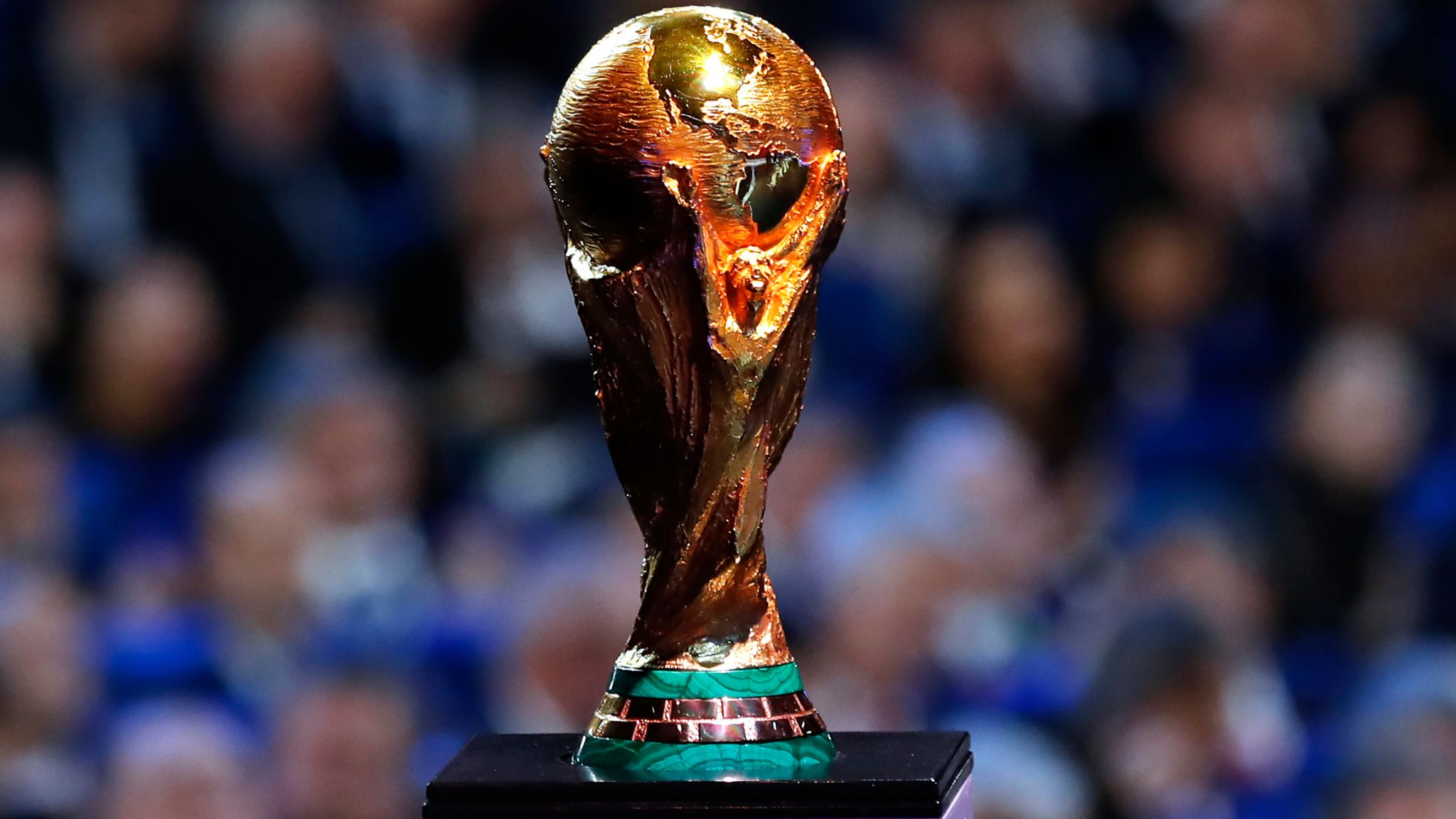
Drumrolls—the stage is set for the FIFA World Cup 2026, poised to be the most expansive and eagerly anticipated tournament in the competition’s storied history. Kicking off from June 11 to July 19, 2026, the tournament will unfold across multiple vibrant cities in North America, promising thrilling matches, unforgettable fan experiences, and a true celebration of the beautiful game. With new venues, an expanded format, and unprecedented global participation, the 2026 World Cup is primed to make history and capture the imagination of football fans everywhere.
The 2026 edition is the first time that three countries will cohost and only the second time that more than one country has done so (Japan and South Korea teamed up to host the 2002 World Cup). It is also the first tournament to feature 48 teams, an increase from the previous 32. The three hosts will play their group stage matches in their respective home countries. The top 2 teams from each group will advance to the knockout round. The top 8 third-place teams (based on points scored, goal differential, and other criteria if necessary) will likewise advance, for a total of 32 teams.
2026 World Cup Rule Changes
In February 2026, the International Football Association Board (IFAB)—FIFA’s law-making body—ratified a series of special rule changes and new measures designed to curb time-wasting by players during matches. These updates, set to take effect in all official competitions beginning with the 2026 World Cup, include:
- Faster throw-ins and goal kicks: At their discretion referees can initiate a five-second countdown through an on-field signal to limit delays from throw-ins and goal kicks after the ball has gone out of play. If the count ends without play having resumed, the officials will award a throw-in or a corner kick, respectively, to the opposing team.
- Quicker substitutions: A substituted player must leave the field within 10 seconds of the substitution being indicated either from off the field or through a referee’s signal. If the player being substituted fails to leave the field within the time limit, the replacement must wait to enter until the next stoppage after one minute of play has passed.
- Medical assessment: During a match a player who receives a medicalassessment on the field that causes an interruption in play must leave the field and cannot return to the pitch until at least one minute after play resumes. The new rule does not apply if the injury is caused because of a foul punishable by a card, or if a goalkeeper is hurt.
- Expanded VAR role: The Video Assistant Referee (VAR) will review any obvious errors made by on-field officials in issuing a second yellow card that leads to a red card, in cases of mistaken identity while applying penalties, and in awarding corner kicks if the review does not cause a delay in gameplay.
- Yellow card amnesty: According to FIFA rules, players who accumulate two yellow cards across separate matches in a tournament must serve an immediate one-match suspension. In previous FIFA competitions, the yellow card count was reset after the quarterfinals to prevent players from missing the final because of a second yellow card picked up in the semifinals. At the 2026 World Cup, players’ yellow card tallies will reset at the end of the group stage as well because of the increased number of matches and teams. Players will still serve a one-match suspension if they collect two yellow cards during the three group stage matches or across the knockout rounds through the quarterfinals.
- New red card offenses: The updated provisions permit referees, at the competition organizer’s discretion, to show a red card to players who cover their mouths while confronting opponents on the field or sidelines during matches. The rule was passed to prevent the concealment of discriminatory, racist, and abusive language during such encounters. Red cards can also be shown to players who leave the field of play to protest against refereeing decisions, and to any team officials who encourage such walk-offs.
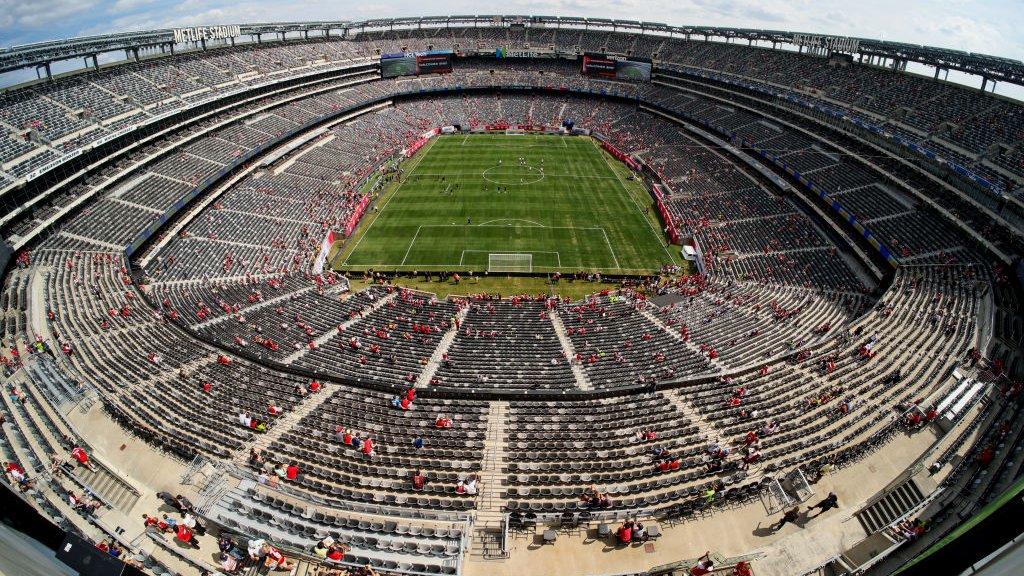
The 2026 FIFA World Cup will be played across 16 iconic venues in three countries, showcasing some of North America’s most vibrant cities and state-of-the-art stadiums.
United States
- Dallas Stadium, Arlington, Texas (capacity 94,000)
- New York New Jersey Stadium, East Rutherford, New Jersey (82,500)
- Atlanta Stadium, Atlanta, Georgia (75,000)
- Kansas City Stadium, Kansas City, Missouri (73,000)
- Houston Stadium, Houston, Texas (72,000)
- San Francisco Bay Area Stadium, Santa Clara, California (71,000)
- Los Angeles Stadium, Inglewood, California (70,000)
- Philadelphia Stadium, Philadelphia, Pennsylvania (69,000)
- Seattle Stadium, Seattle, Washington (69,000)
- Boston Stadium, Foxborough, Massachusetts (65,000)
- Miami Stadium, Miami Gardens, Florida (65,000)
Canada
- Toronto Stadium, Toronto (45,000)
- BC Place, Vancouver (54,000)
Mexico
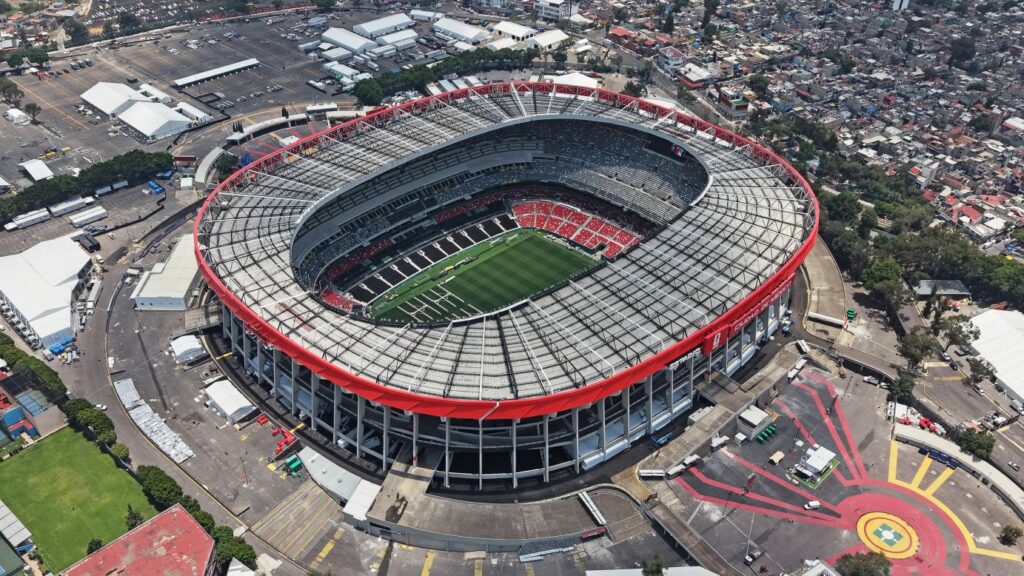
- Estadio Azteca, Mexico City (83,000)
- Estadio Monterrey, Guadalupe (53,500)
- Estadio Guadalajara, Zapopan (48,000)
The prize money for the 2026 FIFA World Cup was confirmed at a FIFA Council meeting in Doha on December 17, and marks a significant increase—a 50 percent rise compared to the 2022 tournament in Qatar. The prize fund breakdown is as follows:
- Winners: $50 million (£37.5m)
- Runners-up: $33 million (£24.8m)
- Third place: $29 million (£21.8m)
- Fourth place: $27 million (£20.3m)
- 5th–8th place: $19 million (£14.3m)
- 9th–16th place: $15 million (£11.3m)
- 17th–32nd place: $11 million (£8.3m)
- 33rd–48th place: $9 million (£6.8m)
In addition, each team will receive $1.5 million (£1.1m) to cover preparation costs, guaranteeing every participant at least $10.5 million (£7.87m) for taking part in the tournament.
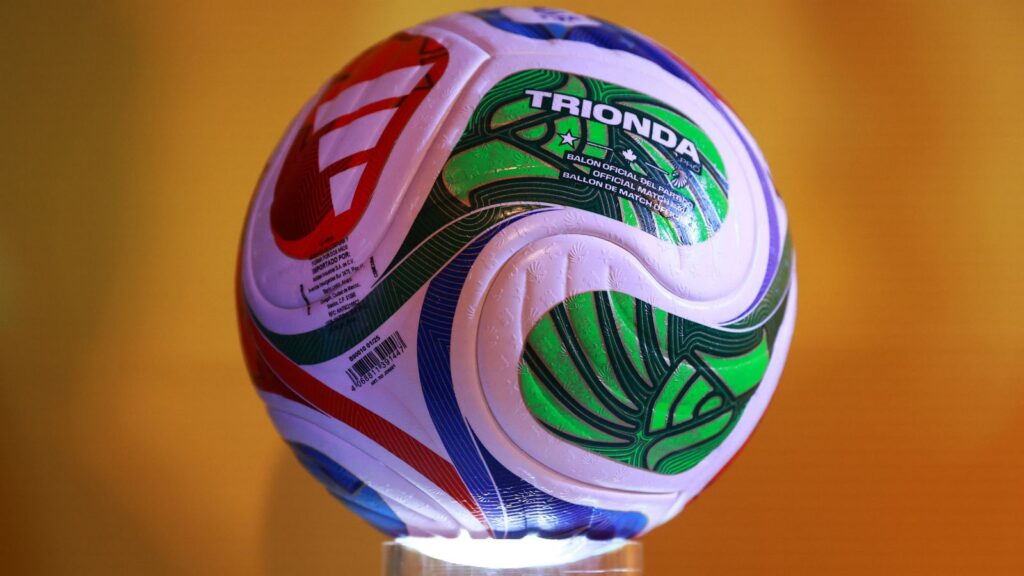
The official match ball has been manufactured by Adidas and is called the Trionda, which translated from Spanish means “three waves”. It features a red, green and blue colour scheme that pays homage to the three host countries – Canada, Mexico and the United States. Adidas claim that its “connected ball technology” will be helpful in relaying data to VAR, with AI helping to make decisions.