

Compiled By: Malami Haruna Dogon daji
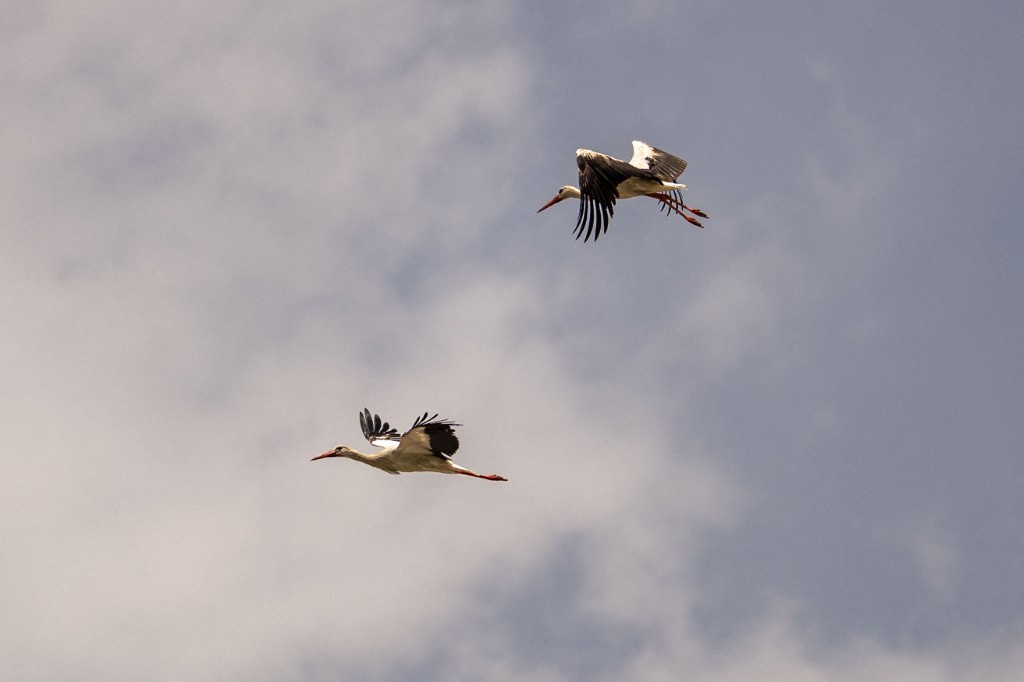
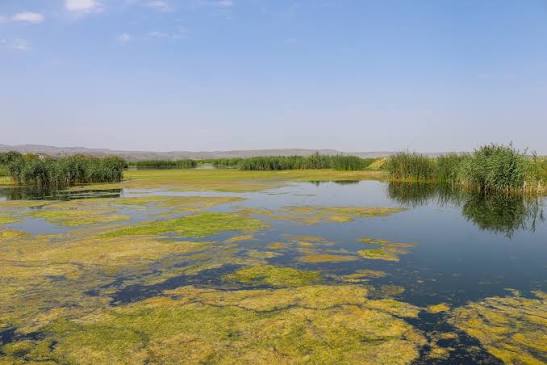
ERZURUM, TÜRKİYE — A fascinating ecological shift is unfolding in eastern Türkiye as unseasonably cold weather and changing vegetation patterns are causing thousands of migratory birds to abandon their flight to northern breeding grounds, choosing instead to settle and reproduce in the high-altitude plains of Erzurum.
The phenomenon, detailed in a new report by Anadolu Agency, highlights the complex and highly localized impacts of climate change on global wildlife corridors.
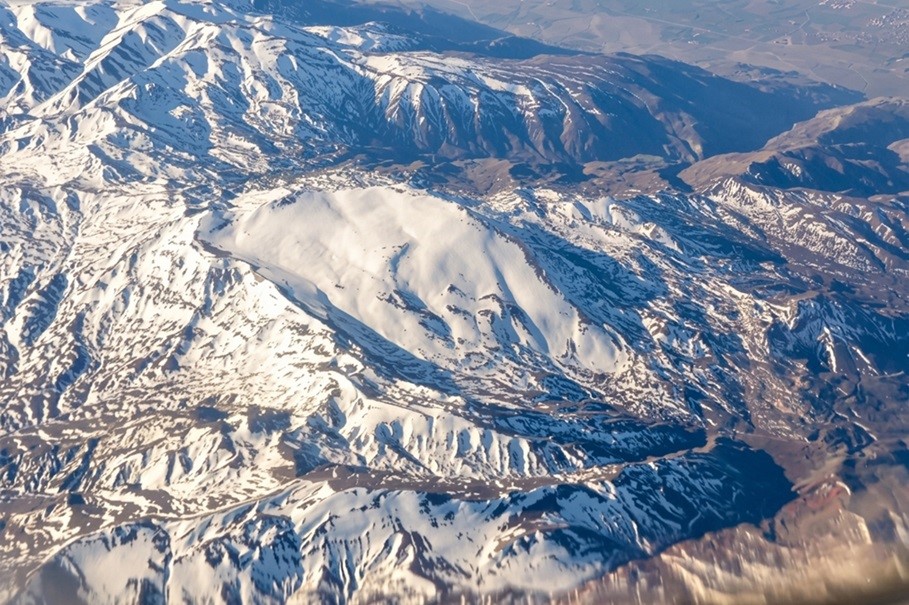
For centuries, the Africa-Caucasus flyway has served as an aerial highway for millions of birds. Under normal conditions, exhausted flocks use the wetlands and steppes of Erzurum—situated on the Kars plateau at an elevation of 1,850 meters—as a brief stopover point. Birds typically stay for 10 to 12 days to rest and feed before continuing their grueling journey further north into the Caucasus and beyond.
This year, however, the birds have decided to stay.
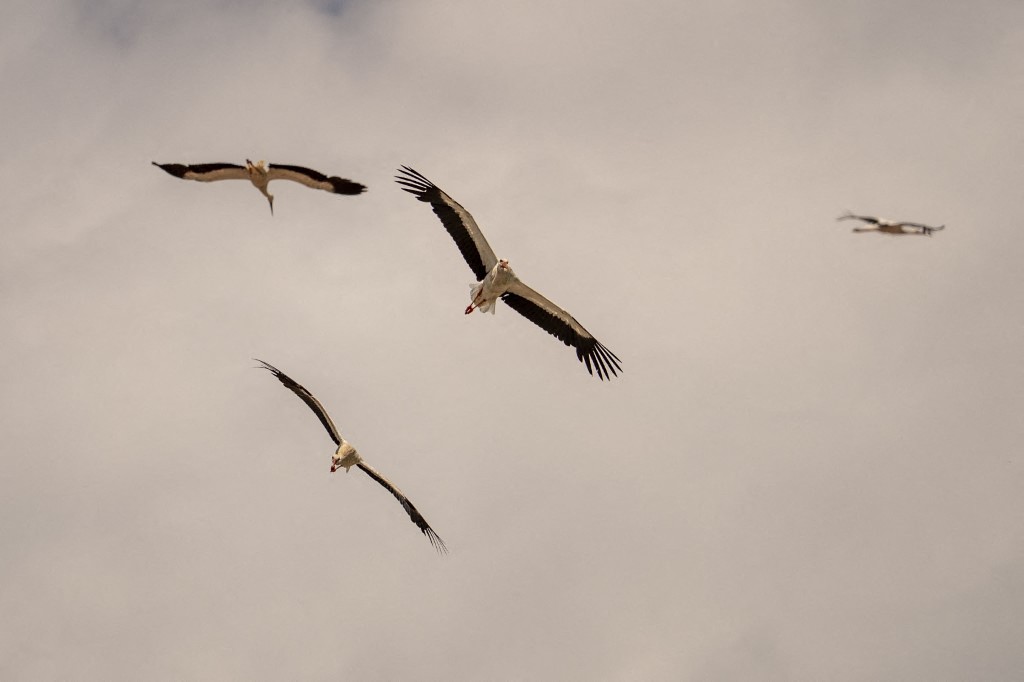
“The extended cold season, along with climate and vegetation pattern changes, has increased our observations of birds staying longer in Erzurum,” explained Dr. Sevindi, a bird migration researcher closely monitoring the region. “We’ve detected Caucasus migrants staying within the province due to cooling; birds that would stop for a few days then leave are now breeding here.”
The “Cool Corridor” Effect
The shifting behavior is a direct response to dynamic environmental cues. Migration is heavily regulated by local weather conditions, particularly temperature, wind, and precipitation. Because the Erzurum plain has remained significantly cooler than usual this season, the biological triggers that normally push these birds to seek higher, cooler latitudes have been neutralized.

“Gelen kuşlar daha kuzeye gitme ihtiyacı duymuyor” (The arriving birds no longer feel the need to go further north). – Dr. Sevindi noted
The result is a profound behavioral change. Species that would typically never reproduce in eastern Türkiye are now building nests, laying eggs, and establishing breeding colonies in Erzurum’s wetlands.
A Tale of Two Climates
What makes the Erzurum phenomenon particularly newsworthy is how it contrasts sharply with other areas in the very same region, creating a stark picture of climate micro-variation.
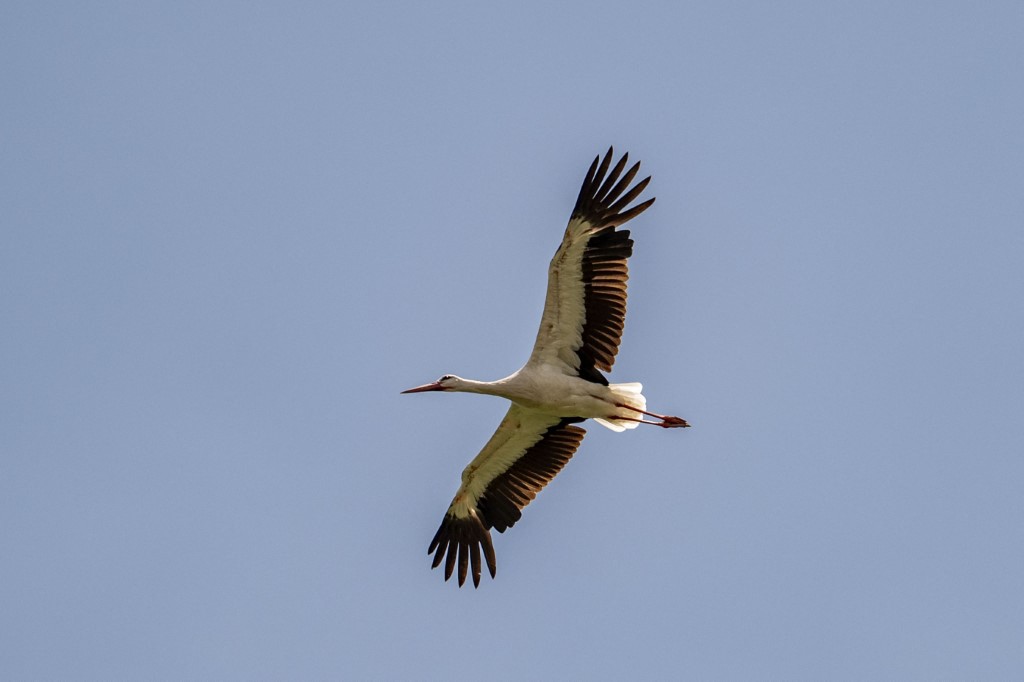
While Erzurum’s high-altitude plains are experiencing extended cold periods that halt northward migration, lower-elevation areas just a few hundred kilometers away are seeing the exact opposite effect. In the nearby Iğdır plains and the Aras River wetlands—a vital hub documented to host at least 264 bird species—warmer winters driven by broader climate change are prompting species like storks to skip their southward migration back to Africa entirely, choosing to stay in Türkiye year-round.
This creates a remarkable ecological paradox: in eastern Türkiye, climate change is simultaneously causing some bird populations to stop migrating because it is too warm, while causing others to cut their migration short because it is too cool.
What This Means for Global Migration
The developments in Erzurum underscore the immense sensitivity of migratory birds to localized weather patterns. Scientific tracking, including recent Turkish satellite projects that monitored a single little eagle covering 20,000 kilometers in just six months, proves how deeply these animals rely on predictable seasonal shifts.

When high-pressure systems, temperatures, and vegetation blooming times become unpredictable, it triggers a domino effect across international borders. As the climate continues to evolve, researchers emphasize that understanding and protecting these crucial stopover microclimates—like the high-altitude wetlands of the Kars-Erzurum plateau—will be essential to preserving the biodiversity of three continents.
Call-To-Action
As migratory birds rewrite their ancient survival scripts in the changing microclimates of eastern Türkiye, they urgently need our help to protect their unexpected new nesting grounds. You can take immediate action by supporting on-the-ground conservation groups like the KuzeyDoğa Society to safeguard the vulnerable Erzurum and Aras River wetlands from habitat loss. If you are local or visiting, you can also become a citizen scientist by logging unusual bird behaviors on platforms like eBird to directly assist researchers in tracking these rapid ecological shifts. Ultimately, by advocating for local ecosystem protection and reducing your personal carbon footprint, you help stabilize the fragile seasonal rhythms that millions of species rely on—act today to ensure these vital aerial highways don’t fade into history.