


Residents of Rukurukulevu, a remote village in Fiji, are exploring a transition to solar energy as rising power costs put pressure on households in the Pacific island nation, which relies heavily on imported fossil fuels.
The move comes amid growing concerns over energy affordability, with the war in the Middle East and other factors driving up global energy prices and increasing the cost of fuel-dependent electricity generation.
For communities such as Rukurukulevu, the rising cost of keeping homes powered has renewed interest in renewable energy as a more affordable and sustainable alternative.
Fiji is an island nation in the South Pacific made up of more than 300 islands, with a history shaped by Indigenous Fijian traditions, migration and British colonial rule. The islands were settled by the Lapita people around 3,500 years ago, while European contact expanded from the 17th century.
Fiji became a British colony in 1874 and gained independence on October 10, 1970. Its population reflects a mix of Indigenous Fijian and Indo-Fijian heritage, among other communities, following the arrival of Indian indentured labourers during British rule.
Solar power could help reduce the village’s dependence on imported fuels, ease the burden of electricity costs and provide a more reliable source of energy for residents.
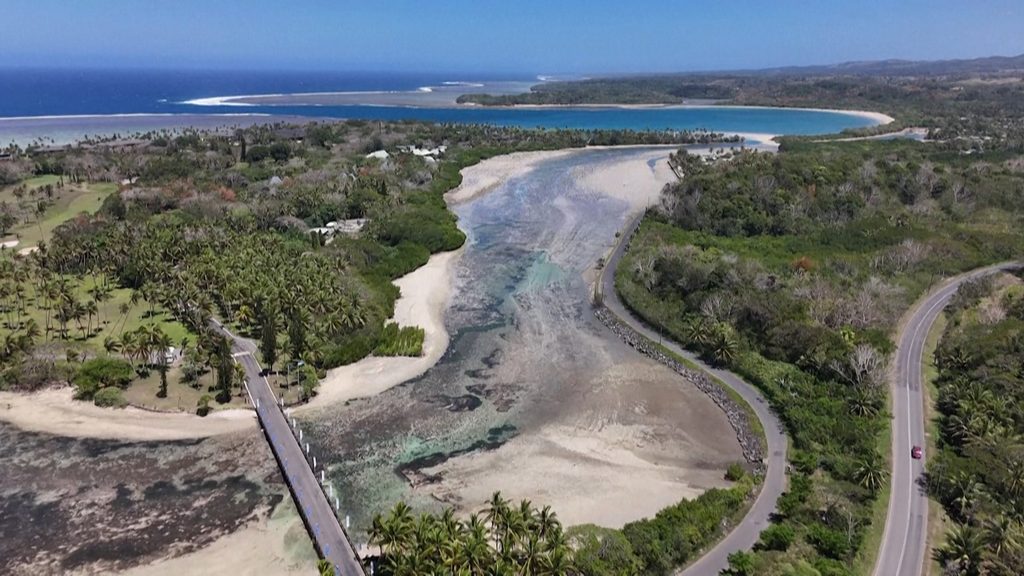
Fiji, like many Pacific island nations, is vulnerable to fluctuations in international fuel prices because of its reliance on imported petroleum products. The country has been seeking to expand renewable energy sources as part of efforts to strengthen energy security and reduce exposure to global market shocks.
The village’s proposed transition reflects a wider push across the Pacific to explore solar and other renewable technologies as communities seek practical ways to manage rising energy costs and reduce reliance on fossil fuels.