
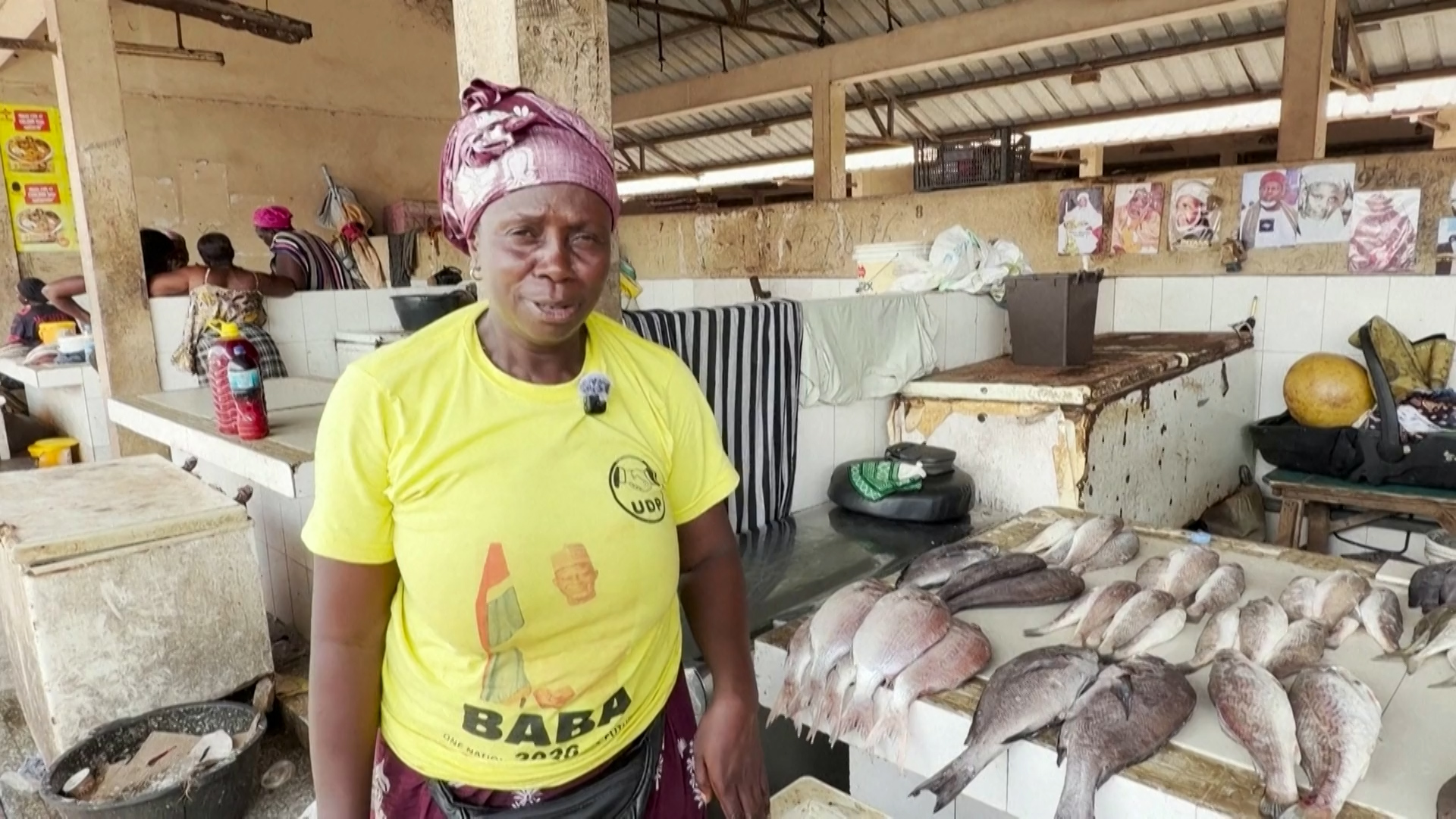
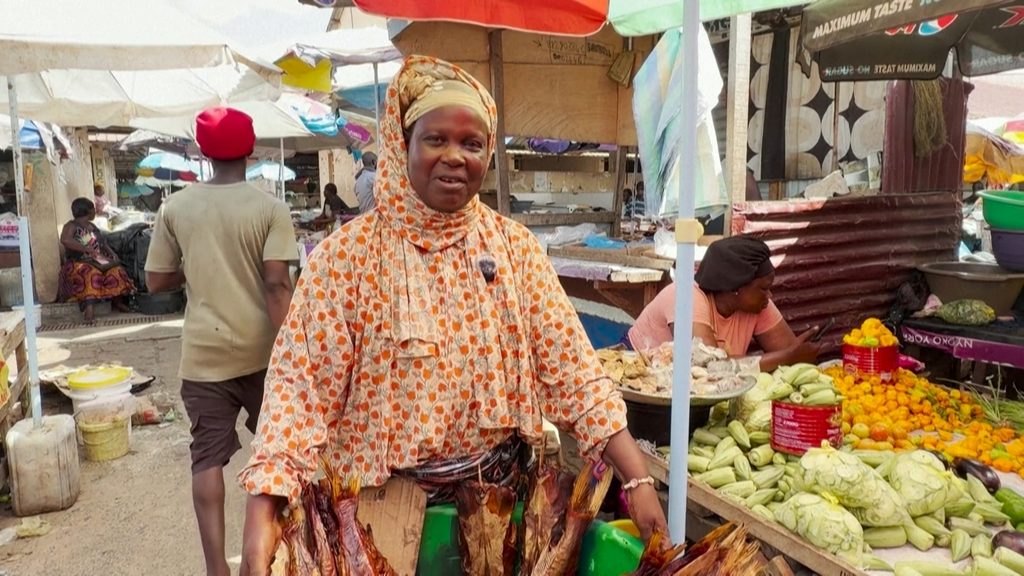
After months of electricity outages that have recently become more severe, residents of The Gambia are growing increasingly desperate. “We are tired of this problem,” market vendor Jula Jagne said, describing how some residents sometimes go a full day without electricity.
The latest disruption has been linked by the National Water and Electricity Company (NAWEC) to an unexpected surge in electricity demand during a period of high temperatures, as well as a technical problem affecting one of its major power-generating units. The utility warned that the situation would require load shedding across several parts of the country, adding to frustrations among residents who have already endured repeated interruptions.
For ordinary Gambians, the outages have become more than an inconvenience. Homes are being left without power for extended periods, while businesses that depend on electricity for refrigeration, communication and daily operations face additional costs and disruption. Residents have also complained about the uncertainty of not knowing when electricity will return, making it difficult to plan work and household activities.
The frustration boiled over on Monday night when protesters gathered in several locations, including areas around President Adama Barrow’s official residence in Banjul. Demonstrators burned tyres, erected barricades and chanted calls for Barrow to leave office, while police used tear gas to disperse the crowds. Protests were also reported in Farato, where demonstrators gathered near the residence of Vice President Mohammed B.S. Jallow and targeted an office of the ruling National People’s Party.
The government has acknowledged the severity of the situation. Information Minister Ismaila Ceesay described the protests as “deeply disconcerting” and apologised to those affected, saying the government recognised the frustration, anger and hardship caused by the power cuts. President Barrow, meanwhile, visited NAWEC facilities and promised that new generators would arrive during the week. He said the government was committed to ending the crisis and restoring reliable electricity by the end of October.
The timing of the crisis also adds political pressure, with the country preparing for a presidential election expected in December. Barrow is seeking a third term, making the government’s handling of the electricity crisis a potentially important issue for voters already dealing with the effects of unreliable public services.

For many Gambians, however, the immediate concern is simply getting dependable electricity. As authorities work to increase generation and address technical problems, residents and businesses are waiting to see whether promised new capacity can bring an end to months of disruption. Until then, the growing refrain from communities across the country remains clear: they are tired of living in the dark.