
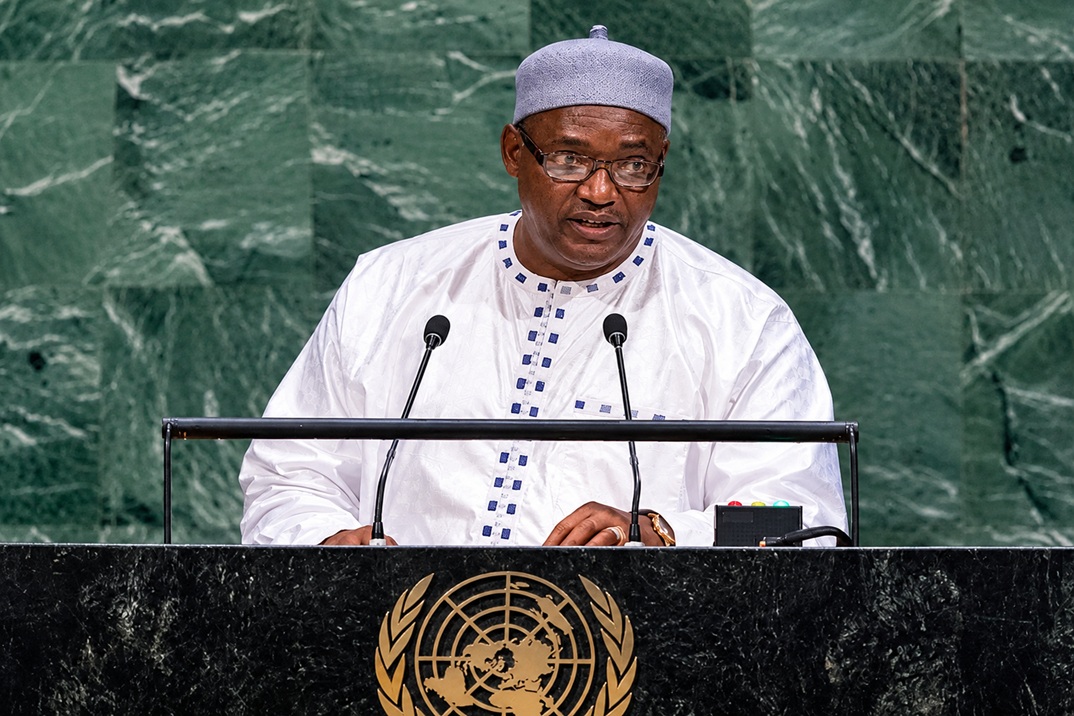
President Adama Barrow is seeking another term in office despite his earlier pledge to serve only one term, setting up a closely watched presidential election as The Gambia continues to navigate its democratic transition.
The Gambia’s Independent Electoral Commission has confirmed five candidates for the December 5 presidential election, with incumbent President Adama Barrow leading the list as he seeks a third term.
The commission announced the candidates on Thursday, November 12, following the screening of nomination papers submitted by aspirants.
Other candidates include veteran opposition leader Ousainou Darboe of the United Democratic Party, youth politician Talib Ahmed Bensouda of the UNITE Party, Isatou Touray, the country’s first female presidential candidate, and Modou Lamin Sima of the Alliance of Progressive Citizens.
Campaigning is scheduled to begin on November 16 and run for two weeks ahead of the December 5 vote, which will determine the leadership of the small West African nation for the next presidential term.
Barrow’s third-term ambition has become a major talking point in the election because of his earlier commitment to serve only one term when he emerged as the opposition candidate against former President Yahya Jammeh in 2016.
Barrow’s victory that year ended Jammeh’s 22-year rule, which was marked by allegations of torture, enforced disappearances and other human rights abuses. Jammeh eventually left the country in 2017 and has remained in exile in Equatorial Guinea.
During his campaign in 2016, Barrow had promised to pursue constitutional reforms that would introduce presidential term limits and strengthen democratic institutions. However, after winning a second term in 2021, his decision to seek another mandate has drawn criticism from opponents and civil society groups.
The controversy is partly linked to the country’s 1997 Constitution, which does not impose presidential term limits. Attempts to introduce a new constitution in 2020 and 2025 failed to secure the required support in the National Assembly, leaving the existing framework in place ahead of the election.
Barrow, who leads the National People’s Party, has defended his decision to seek another term, arguing that his administration’s record and development agenda justify continuity. He has pointed to infrastructure development, electricity expansion, agriculture and economic growth as priorities for his next mandate.
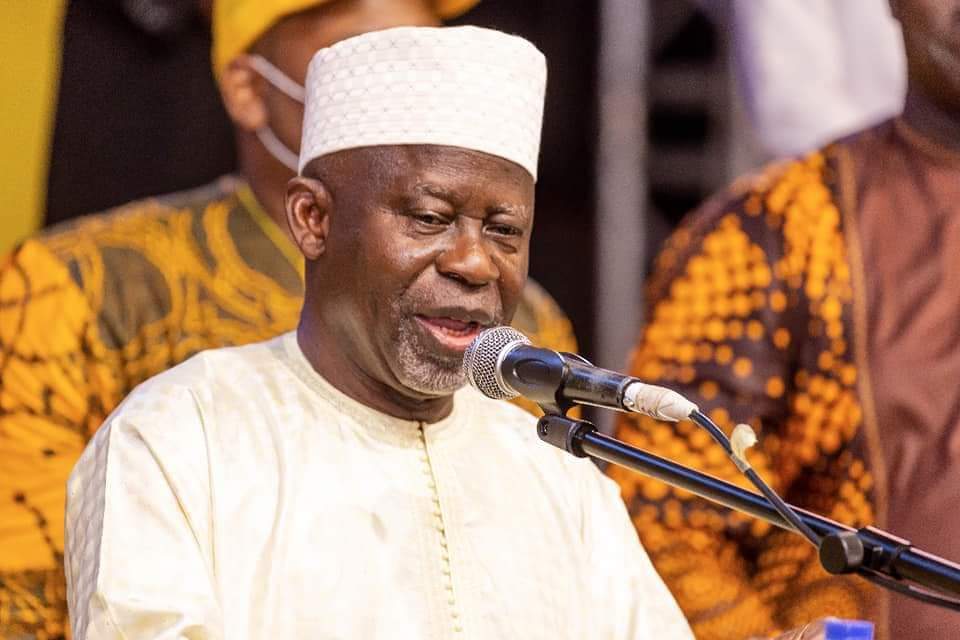
His main challenger, Darboe, is a former vice president and leader of the United Democratic Party. He was Barrow’s political ally before their relationship deteriorated after the president’s decision to remain in office beyond one term. Darboe finished second to Barrow in the 2021 election and is making another attempt at the presidency.
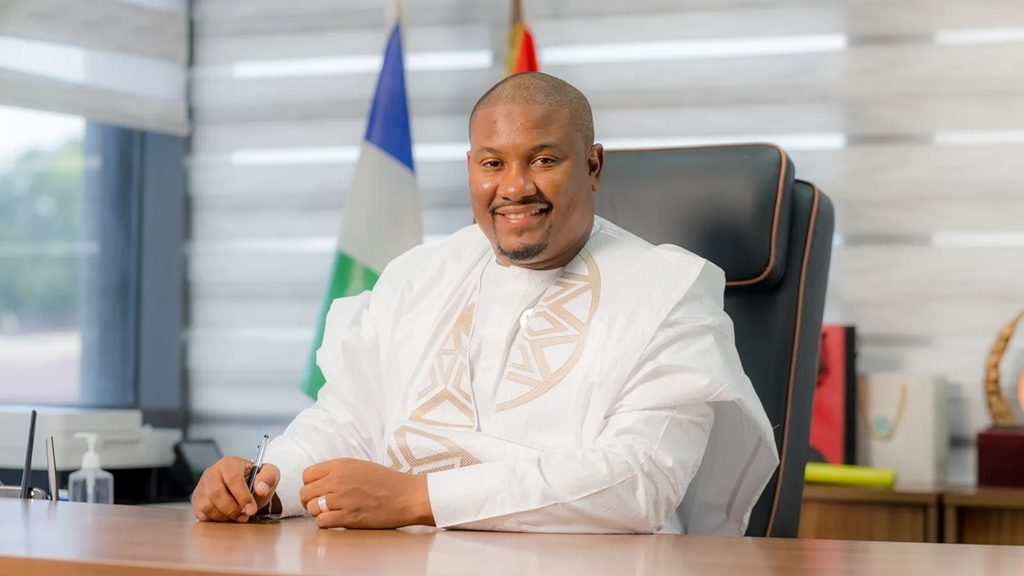
Bensouda, a former mayor of Kanifing Municipality, represents a younger political voice in the contest and has attracted support among young Gambians. His candidacy had faced uncertainty after the government raised allegations of financial impropriety during his time as mayor, but the electoral commission has cleared his nomination.
The election is the third presidential contest since the end of Jammeh’s rule and is expected to test the country’s progress in consolidating democratic governance. Beyond the candidates, issues including economic opportunities, unemployment, public services, accountability and constitutional reform are likely to feature prominently in the campaign.
With the five candidates now confirmed, attention turns to the campaign period and the choices facing Gambian voters as they prepare to decide whether Barrow should continue in office or the country should move towards a new political leadership.