

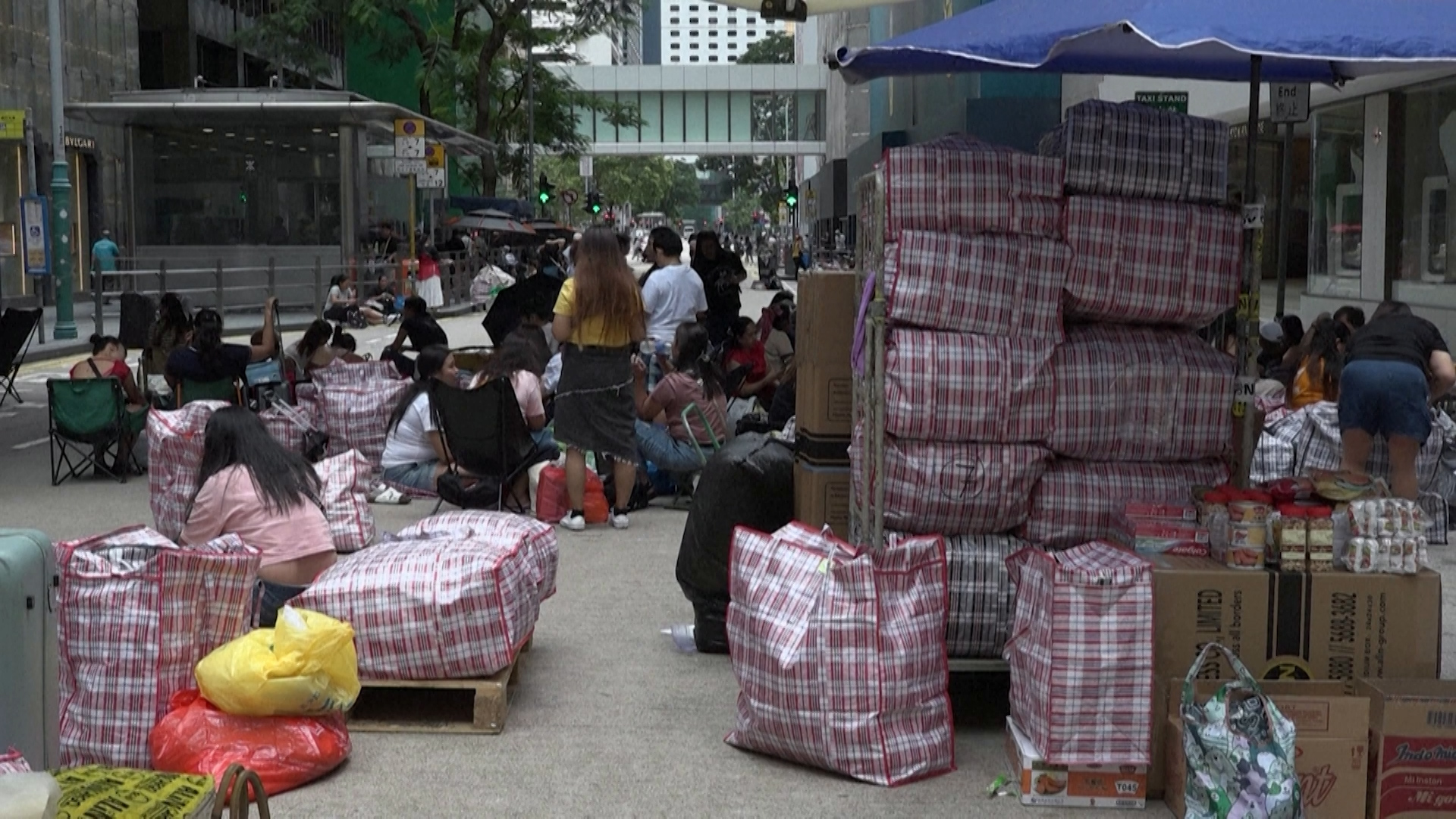
From a symbol of mass deportation in West Africa to a global fixture in markets, migration and everyday life, the chequered travel bag carries a history shaped by displacement, resilience and the pursuit of opportunity.
The distinctive chequered bag, popularly known as Ghana Must Go, has become a familiar sight across West Africa and beyond, but its origins are tied to one of the region’s most significant episodes of mass migration and deportation.
The white, red and blue woven plastic bag, commonly used to transport belongings, gained its name following Nigeria’s expulsion of undocumented Ghanaian migrants in 1983, during the administration of former President Shehu Shagari.
The mass deportation followed an economic downturn and an immigration crackdown, forcing hundreds of thousands of Ghanaian nationals to leave Nigeria, many carrying their belongings in the now-iconic bags.
The name became associated with the hurried departure of migrants, with the bag serving as a symbol of displacement and the difficult circumstances surrounding their return to Ghana.
Historian Kweku Darko Ankrah explained the significance of the name, saying, “When they say Ghana must go, it means that bag will carry all your belongings back to Ghana.”
Over the years, however, the bag’s meaning has evolved beyond its historical origins. Its durability, affordability and spacious design have made it a popular choice for traders, travellers, students and families moving goods and personal belongings across borders.
From bustling markets in Accra to commercial centres in Hong Kong, the bag has become part of everyday commerce and migration, transcending the circumstances that gave it its name.
Today, the Ghana Must Go bag represents more than a painful chapter in West African history. For many, it has come to symbolise resilience, mobility, survival and the pursuit of opportunities, reflecting the complex relationship between migration, identity and belonging.