
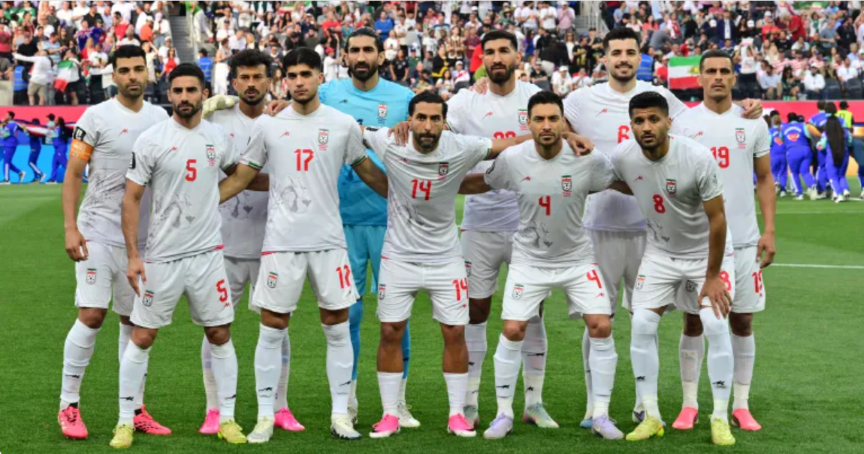
As the FIFA World Cup unfolds against an extraordinary backdrop of heightened geopolitical tensions, football has emerged as a rare unifying force for Iranians around the world, momentarily eclipsing the political divisions that have dominated headlines.
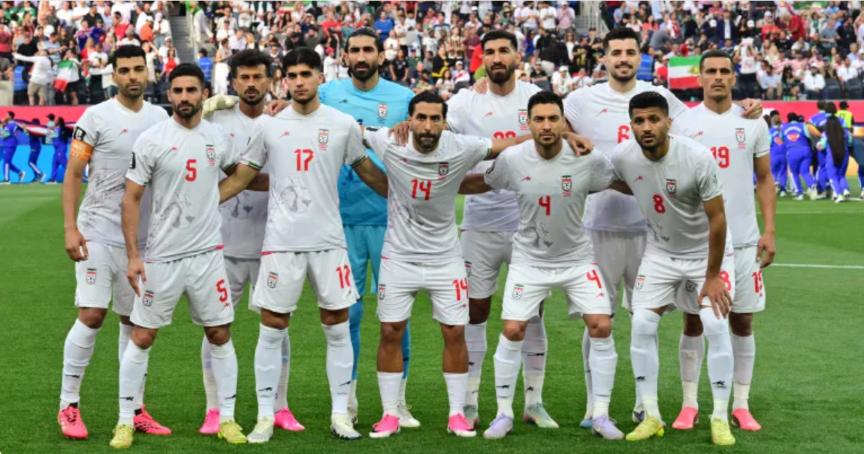
For many Iranian supporters, the tournament represents more than just a sporting competition—it is an opportunity to rally behind Team Melli and celebrate a shared national identity despite the uncertainty surrounding the country’s political and diplomatic landscape.
The unique circumstances surrounding this year’s competition have made Iran’s participation one of the most closely watched storylines of the tournament. Visa restrictions, immigration hurdles and the strained relationship between Iran and the host nation have complicated travel plans for supporters and raised questions about the logistics and symbolism of the team’s presence on football’s biggest stage.
Yet, inside fan communities and among the Iranian diaspora, football has become a common language that transcends political affiliations and ideological differences. In cities across the world, supporters are gathering in homes, public squares and fan zones to cheer for the national team, demonstrating that their passion for the sport often outweighs political disagreements.
For players of Iranian heritage, including members of community clubs such as Arya FC, the World Cup has become a powerful expression of cultural identity. Many find themselves navigating a delicate balance between personal beliefs, family history and unwavering support for the players representing their homeland.
The atmosphere has not been without controversy. FIFA’s code of conduct prohibits the display of banners, flags and other items deemed political, offensive or discriminatory inside World Cup venues. The governing body’s position on the historic Lion and Sun flag—a symbol embraced by many within the Iranian diaspora—has generated debate and frustration among supporters who regard it as part of their cultural heritage rather than a political statement.
The disagreement has prompted planned demonstrations outside some World Cup venues, highlighting the complex intersection of sport, identity and international politics. Nevertheless, many fans insist their focus remains firmly on football and on supporting the players on the pitch rather than engaging in political disputes.
As Team Melli continues its World Cup campaign, its matches have become more than contests for points and progression. They have evolved into moments of collective emotion, resilience and national pride, reminding the world that even amid diplomatic tensions and global uncertainty, football retains its unique ability to unite people across borders and beliefs.
For millions of Iranians at home and abroad, the World Cup is serving as a reminder that, at least for 90 minutes, the beautiful game can rise above politics and bring a divided community together in support of a common cause.