
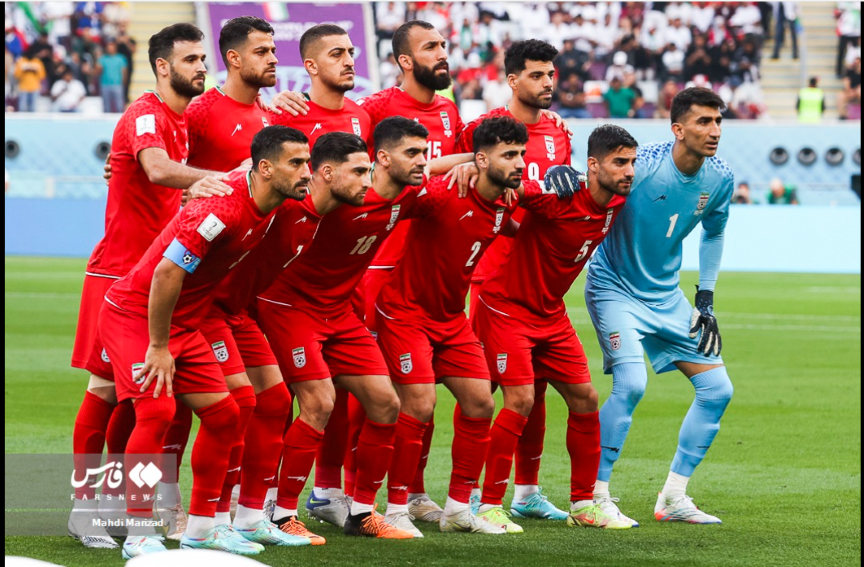
For the first time in FIFA World Cup history, one of the tournament’s host nations is engaged in an armed conflict with one of the participating countries, creating an unprecedented and deeply complex backdrop to the global sporting spectacle.
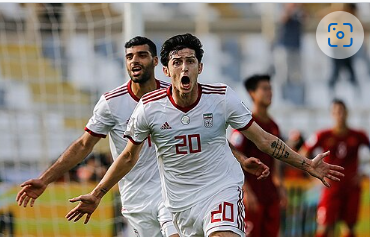
For Iranian Americans and members of the wider Iranian diaspora, this year’s tournament is about far more than football. Visa delays, immigration restrictions, and travel bans have complicated travel arrangements for fans and families, while escalating geopolitical tensions have cast a shadow over Team Iran’s participation and the broader atmosphere surrounding the competition.
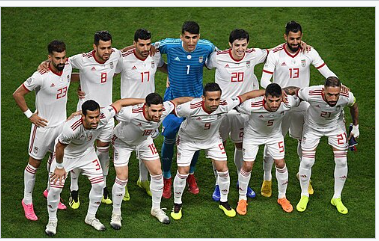
As Iran prepares for its opening match, players from Arya FC and many supporters find themselves at the intersection of cultural identity, sport, and international politics. For many, supporting the national team has become an emotionally charged experience, balancing national pride with the realities of an increasingly tense political landscape.
The controversy has been further intensified by FIFA’s stadium code of conduct, which prohibits the display of “banners, flags, apparel and other paraphernalia that are of a political, offensive and/or discriminatory nature” inside World Cup venues.
The governing body’s position has come under scrutiny following questions about whether supporters would be permitted to display the historic Lion and Sun flag—a symbol embraced by many within the Iranian diaspora but viewed by others as politically sensitive. FIFA’s reference to its neutrality policy has disappointed many Iranian fans and community groups, who argue that the emblem represents cultural heritage and identity rather than a political statement.
The issue has sparked widespread debate and prompted organisers within the Iranian diaspora to plan a protest outside the stadium during Iran’s opening World Cup fixture, highlighting the growing tension between sporting regulations, freedom of expression, and deeply held cultural identities.
As the tournament unfolds, the participation of Team Iran is expected to remain one of the World Cup’s most closely watched and politically sensitive storylines, illustrating how global events beyond the pitch can profoundly shape the world’s biggest sporting competition.