
Compiled By: Malami Haruna Dogondaji
16 OCTOBER, 2026
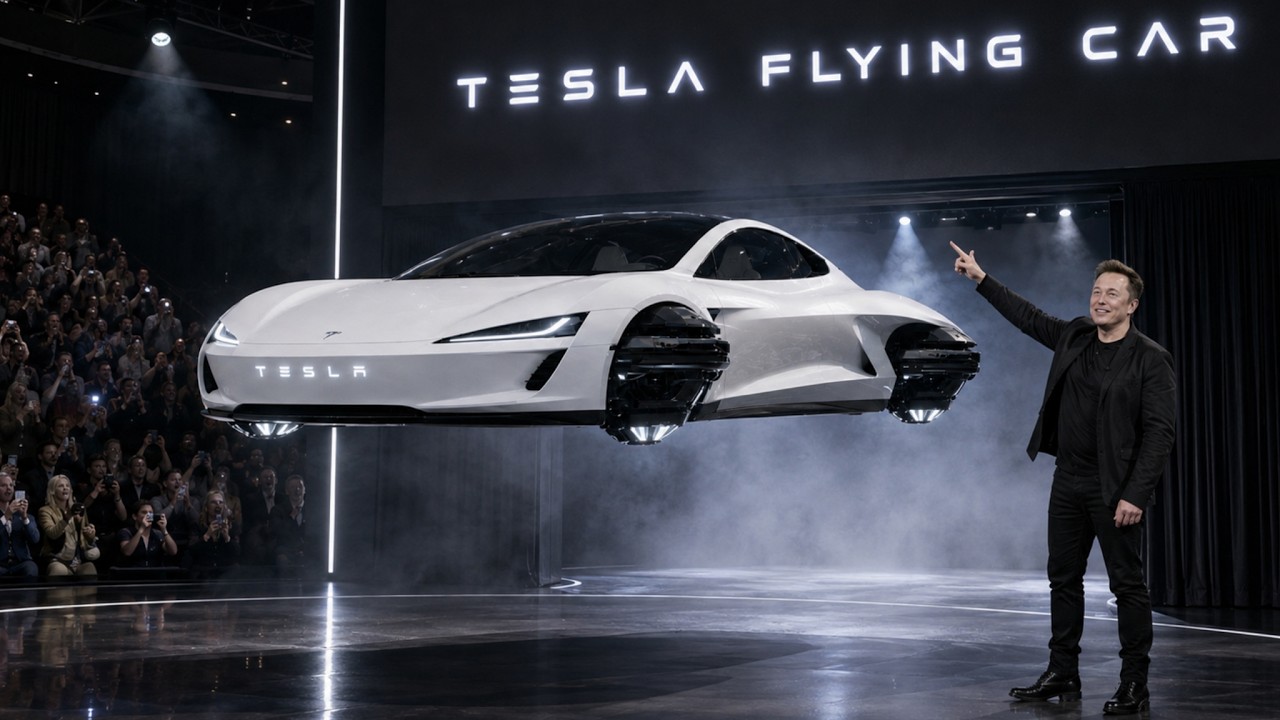
In a breathtaking convergence of automotive engineering and aerospace technology, Elon Musk has showcased a next-generation Tesla Roadster prototype capable of performing short, controlled aerial stunts using SpaceX-derived air-powered thrusters.
Engineering the Impossible: How the Roadster “Flies”
Unveiled at SpaceX’s Rocket Test and Development Center in McGregor, Texas, near Houston, the new electric sports car demonstrated autonomous manoeuvres including driving up a curved ramp, navigating an upside-down overhang, and executing a controlled barrel roll.
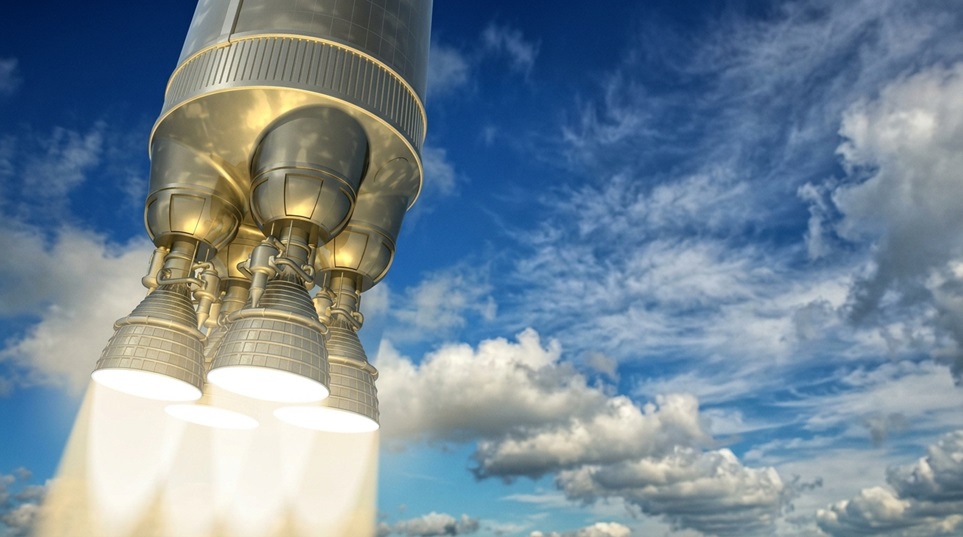
Unlike traditional aircraft, the vehicle relies on advanced propulsion physics rather than wings or jet fuel.
| Technology | Function |
|---|---|
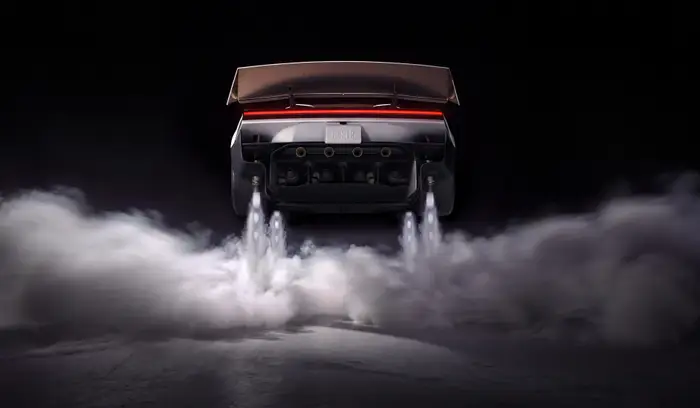
| Cold-Gas Thrusters | Utilises compressed air tanks to provide bursts of forward speed, lift, and control. |
| Suction/Downforce System | Uses under-car fans to create a vacuum-like grip for steep surfaces and inversion. |
| Adjustable Rear Wing | Dynamically changes airflow to optimize aerodynamic grip and high-speed stability. |
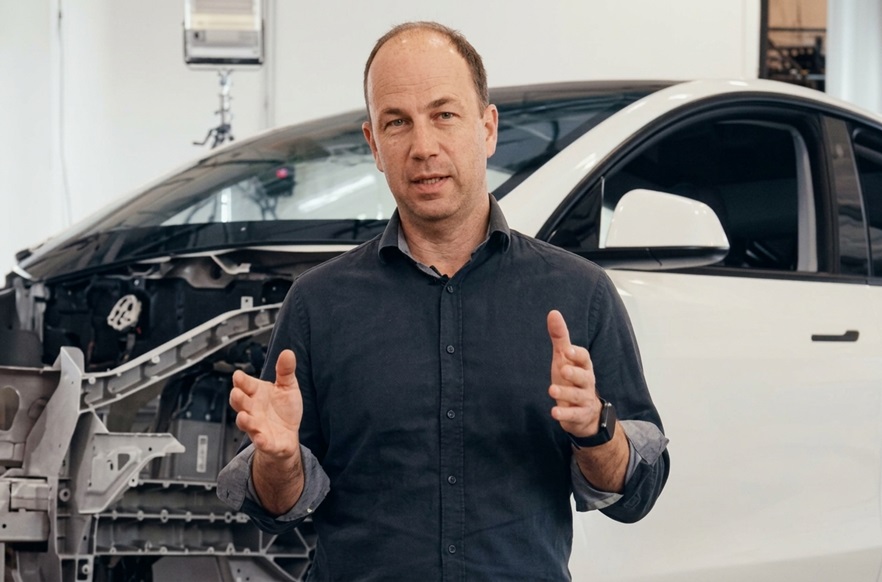
“The vehicle is designed to push the boundaries of what electric sports cars can achieve by integrating direct aerospace technology, though it remains a specialized performance machine rather than a conventional commuter car.” — Lars Moravy, Tesla Vice President of Vehicle Engineering
Fast Facts: Performance Claims & Specifications
- Acceleration: Tesla Vice President of Vehicle Engineering Lars Moravy said the car can accelerate from zero to 60 mph in less than one second (specifically reporting 0.81 seconds during the event).
- Top Speed: Claimed target exceeding 230 mph, with future aspirations to approach half the speed of sound.
- Propulsion System: Utilises approximately 10 cold-gas thrusters fed by dual 300-litre tanks holding roughly 250 kg of compressed air.
- Production Timeline: Tesla says the next-generation Roadster will enter production in 2028, although it has not specified a month or quarter.
Context Box: Regulatory and Safety Realities
While the demonstration captured global attention, automotive experts and federal regulators emphasize that the vehicle is not a practical flying car meant for everyday sky commuting. The stunt was executed autonomously on a specially prepared, closed course. Significant questions remain regarding public safety, noise regulations, compressed-air operational limits, and street legality across international jurisdictions. Furthermore, Musk’s 2028 commitment came with a caveat: he acknowledged Tesla’s history of delays on the Roadster project, so the date should be reported as a company target rather than a guaranteed release date.
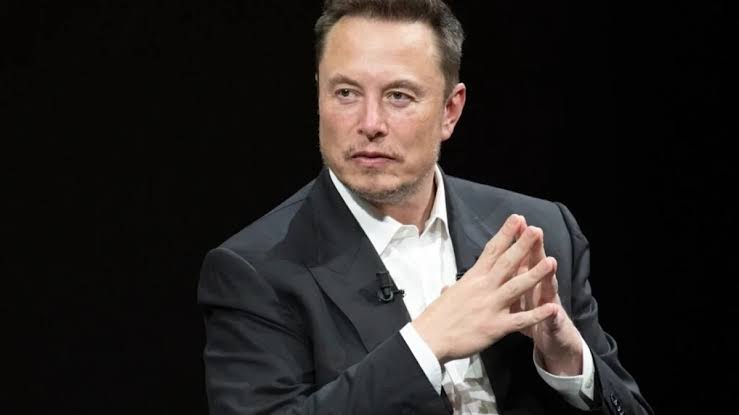
The Social Call-to-Action (CTA)
Would you dare to get behind the wheel of a rocket-powered electric sports car, or should aerospace technology stay strictly in the skies? Share your thoughts on NTA’s digital and social media platforms using the hashtag #TeslaRoadster.