
Compiled By: Malami Haruna Dogon daji
15 OCTOBER 2026
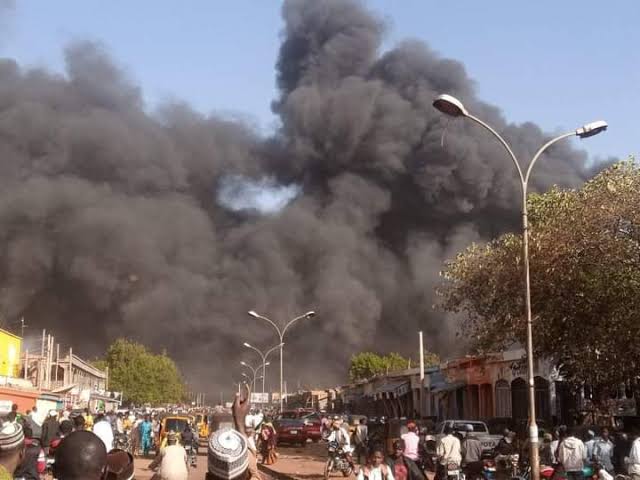
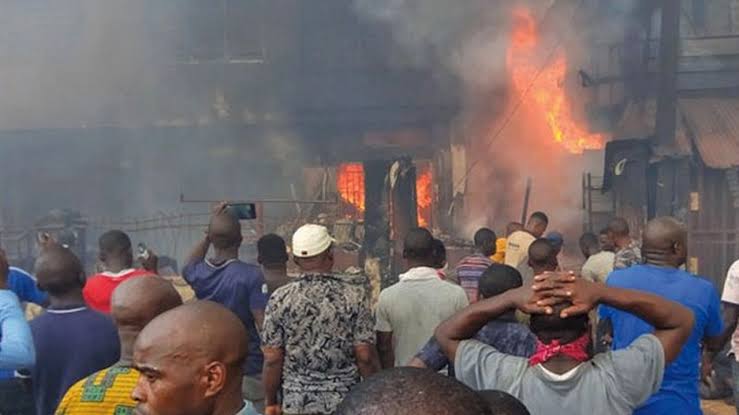
Sokoto Central Market stands as one of northern Nigeria’s premier commercial hubs, yet its modern legacy is defined by a recurring, heartbreaking cycle of devastating fires, emergency committees, relief disbursements, stalled reconstruction, and lingering vulnerability.
A Legacy of Commerce and Construction
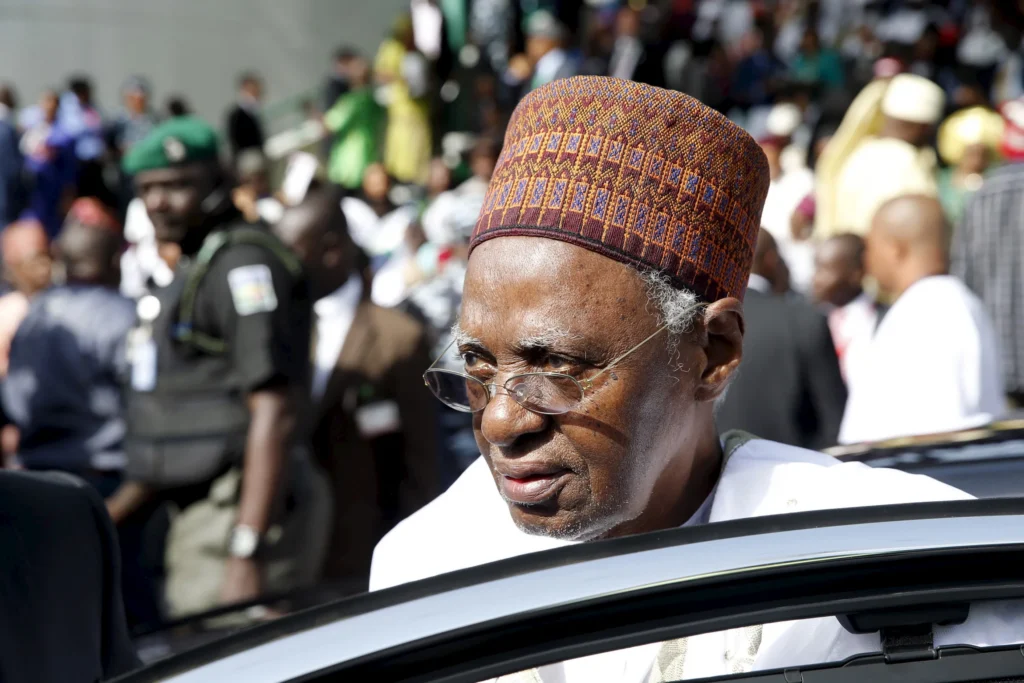
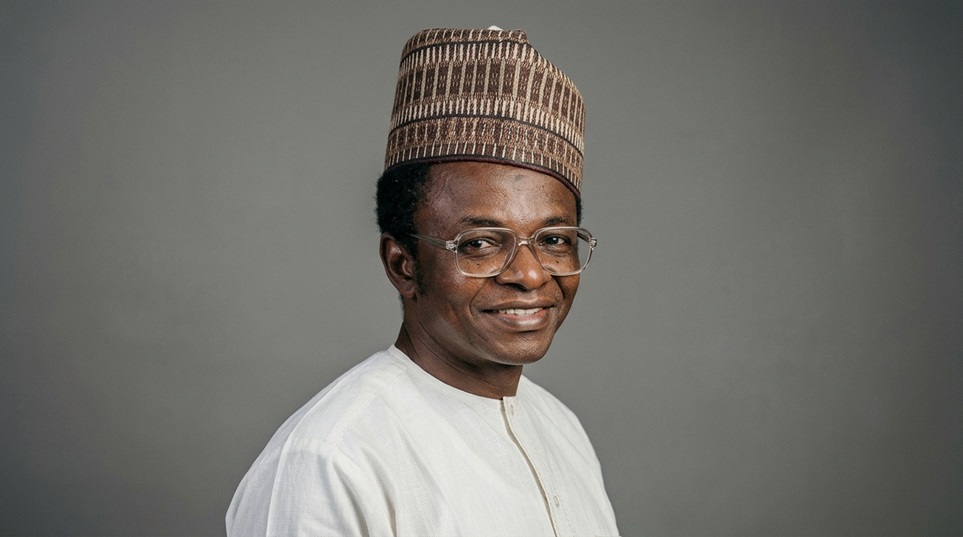
The institutional history of the market is deeply linked to Nigeria’s political milestones. In 1976, as chairman of the Sokoto Urban Development Authority (SUDA), Alhaji Shehu Usman Aliyu Shagari (1925–2018) to later become Nigeria’s first and only President of the Second Republic ( from 1 October 1979 – 31 December 1983 ) saw the establishment of the new Sokoto Central Market after the old market suffered two consecutive fires during the 1970s. Constructed by Julius Berger, the market was officially commissioned on March 15, 1980, during Shagari’s presidency, with building efforts spanning the administrations of military governor Umaru Abubakar and civilian governor Shehu Kangiwa.

Despite its immense economic weight—acting as an agricultural hinterland aggregator for grains, livestock, textiles, and cross-border trade—public records lack a fully verified, itemized capital asset register linking its original construction cost, subsequent concessions, and current liabilities.
“The market functions as far more than a retail space; it is a vital regional commercial node linking urban populations, rural producers, and transport operators across the Sahelian trade network.” – Writer’s synthesis
The Chronology of Destruction
The market’s fire history highlights structural governance failures repeated across successive political administrations:
- 1970s: The old Sokoto market burned twice, prompting the construction of the modern Central Market under SUDA and Julius Berger.
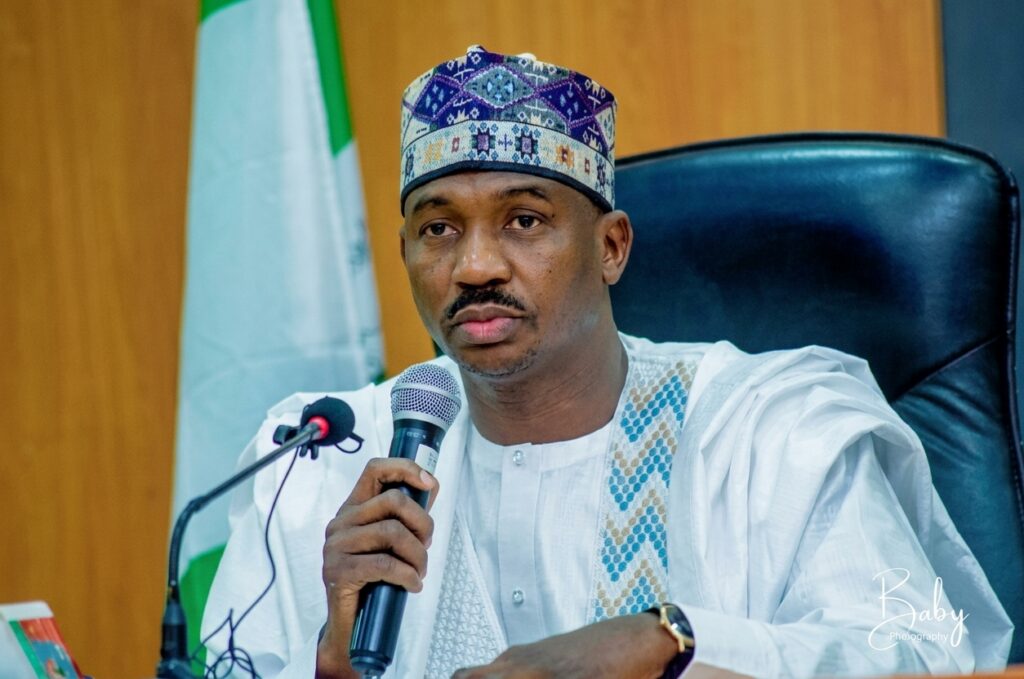
- January 19, 2021: A major fire gutted key sections of the market, leading to a high-powered committee under Deputy Governor Manir Dan’Iya to assess damages and recommend safety measures.
- March 2024: A blaze ignited by open waste burning near the motorcycle section destroyed over 100 shops and millions of naira in goods, as confirmed by joint NEMA and SEMA assessments.
- March 1, 2025: Kasuwar Kara section suffered its second fire of the year (and the third major market fire in 2025), engulfing 53 shops.
- January & July 2026: Successive fires at the Old Market and Central Motor Park destroyed dozens of shops and makeshift stalls. Governor Ahmed Aliyu’s administration subsequently disbursed ₦143 million in compassionate support to 76 verified victims.
Fast Facts: The Sokoto Central Market Crisis
- Original Construction: Initiated in 1976 under SUDA, commissioned on March 15, 1980.
- Latest Intervention: ₦143 million disbursed to 76 verified traders following the July 2026 twin fires.
- Reconstruction Pledge: An approved ₦8.499 billion budget assigned to 38 contractors with a 50% mobilization fee and a 3-month timeline.
- Core Vulnerabilities: Severe congestion, flammable inventories, illegal electrical connections, and open waste burning.
Breaking the Cycle: The Path to a Permanent Fix
Government interventions have historically mirrored a predictable pattern: immediate executive visits, emergency panels, compensation promises, and slow, incomplete reconstruction phases. For instance, previous reconstruction contracts awarded through the Sokoto State Investment Company suffered severe setbacks after multiple firms failed to meet obligations.
To break this loop, experts argue that Sokoto state must treat the market as critical infrastructure requiring a permanent safety regime rather than dealing with each disaster as an isolated tragedy. Key reforms must include:
- Fire-Resistant Engineering: Mandating fire-rated roofing, functional firebreaks, wider emergency lanes, and dedicated electrical rooms during the ongoing ₦8.5 billion rehabilitation.
- Standing Market Safety Authority: Establishing a multi-agency compliance unit for monthly inspections, electrical audits, and open-waste enforcement.
- Detection and Suppression Infrastructure: Installing smoke alarms, functional hydrants, and localized water reservoirs throughout high-risk sectors like cosmetics, plastics, and textiles.
- Digitised Asset Tracking: Maintaining verifiable digital registers of traders and stock categories to expedite relief verification and mitigate fraud.
- Enforceable Contracts: Imposing milestone-based payments, independent supervision, and strict penalty clauses to prevent contractor default.
The Social Call-to-Action (CTA)
What steps do you think state authorities and traders must take to finally put an end to the recurring fire incidents in our major commercial centers? Share your thoughts on NTA’s digital platforms below.