
Compiled By: Malami Haruna Dogon daji — 14 September 2026
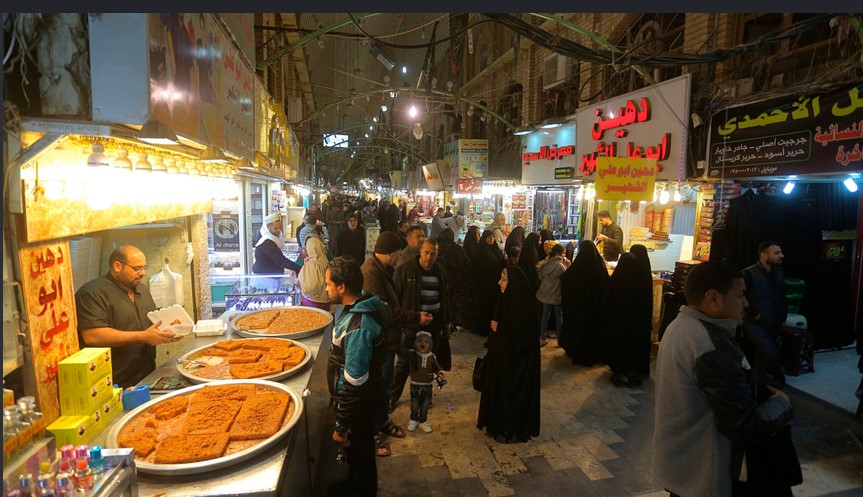
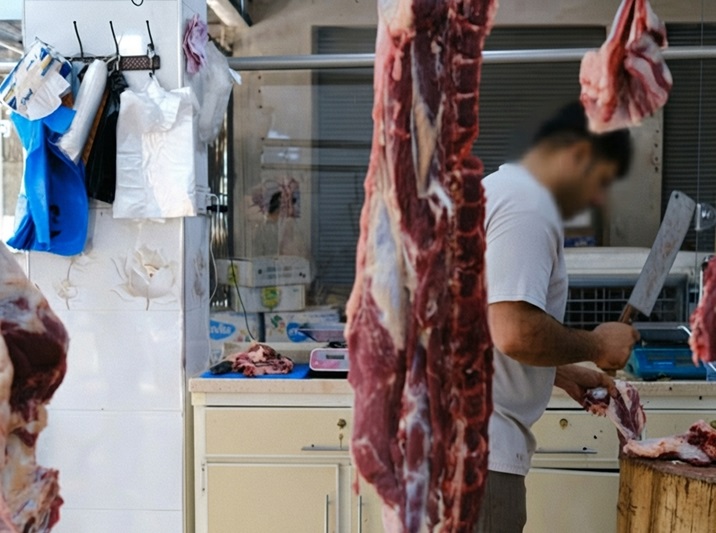
For years, one butcher shop in central Najaf had a reputation: cheap mince, excellent quality, always in stock. Customers kept coming back. Then, this month, they found out why the price was so good — and why it should never have been sold to them at all.
An Iraqi court has sentenced the shop’s owner to 10 years in prison for selling pork disguised as beef, in a city that is one of the holiest sites in Shia Islam. The case has torn through Iraqi social media, triggered a public intervention from a major political-religious figure, and reopened an uncomfortable question about what Iraqi law actually says — and doesn’t say — about pork.
How it unraveled
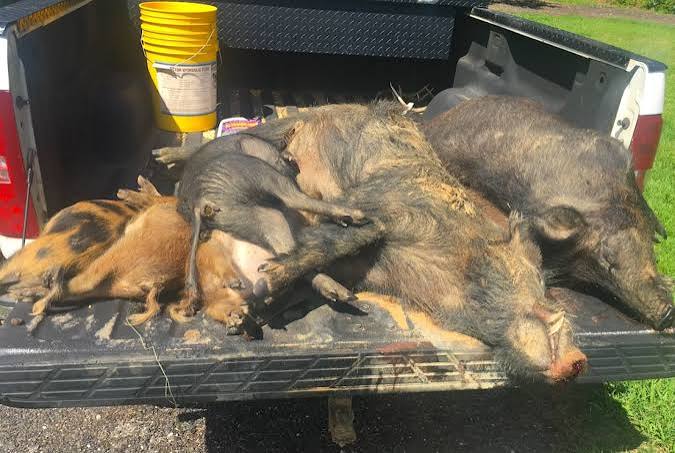
Security officials in Najaf began looking into the shop after complaints about unusually cheap, high-quality minced meat being sold in the city center. The investigation led intelligence officers to the source: the shop owner had reportedly been hunting wild boar in the Al-Hurriya marsh, near Kufa, and selling the meat to customers as ordinary minced beef.
He was detained on 9 September. Footage that circulated afterward showed the arrest scene, including slaughtered wild pigs, and the case moved fast — referred to the Najaf Criminal Court within days. By 14 September, Iraq’s Supreme Judicial Council announced the verdict: 10 years in prison, after the man was caught with 75 kilograms of pork being sold as beef.
The legal twist: pork itself isn’t the crime
Here’s the part that surprised many Iraqis following the case: selling pork is not actually illegal in Iraq. There is no law banning the sale of pork outright — a gap that reflects, among other things, the country’s Christian minority and decades-old, never-quite-repealed farming regulations.
What the court used instead was a 1998 law — Revolutionary Command Council Decision No. 146 — that criminalizes selling meat “unfit for human consumption,” a category written with dog and donkey meat in mind. Legal experts say the actual offense here was fraud: disguising one product as another and putting it into the food chain without customers’ knowledge or consent. In a city where pork is religiously prohibited and entirely unexpected on anyone’s plate, that fraud carried far heavier consequences than mislabeling meat would almost anywhere else.
Why Najaf makes this different
Najaf isn’t just any city. It’s home to the shrine of Imam Ali, one of Shia Islam’s most sacred sites, and draws millions of pilgrims every year, especially during major religious commemorations. For residents, discovering that pork may have entered the food supply here isn’t just a food-safety violation — it’s experienced as a breach of communal and religious trust.
That’s exactly how the public reacted: with genuine anger, but also with the kind of dark humor that spreads fast online. One resident, Ahmad al-Mansouri, told AFP he’d been a loyal customer for years, drawn in by the shop’s low prices and “excellent quality” — only to later joke that he’d probably “eaten more pork than beef or lamb” over that stretch. Memes and jokes multiplied across Iraqi social media alongside the outrage, some exaggerating the case into claims that pork sales were now illegal nationwide — which, notably, they still aren’t.
A cleric steps in
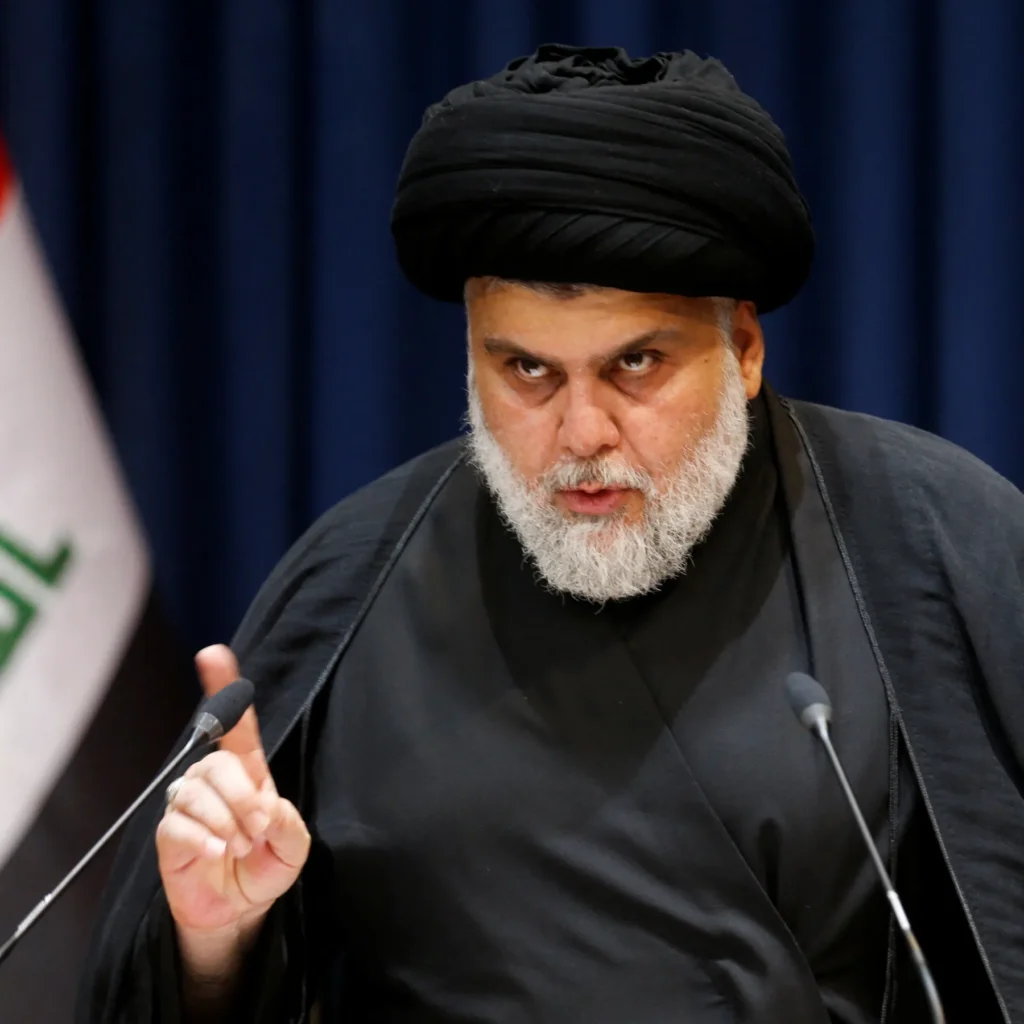
The case quickly outgrew a simple criminal matter. Muqtada al-Sadr, the influential Shia cleric and political leader, publicly called for stricter inspections of markets, restaurants, and butcher shops across Najaf, warning that he would “do what [he] must” if authorities didn’t respond adequately. That kind of intervention from a figure with al-Sadr’s standing put real pressure on local officials — and likely helped move the case through court as fast as it did.
What this exposes
Strip away the shock value, and the case points to something more structural: Iraq’s food-safety and market-inspection systems points to real gaps in the safety system. Wild boar meat moved from a marsh outside Kufa into central Najaf’s food supply without anyone catching it — not for a single sale, but reportedly for years. That raises harder questions than any one butcher’s punishment can answer:
- How often are butcher shops and markets actually inspected, and for what?
- How easily can untraceable meat enter urban supply chains?
- Is a 1998 law written for dog and donkey meat really the right legal tool for 2026, or does Iraq need clearer rules that name the problem directly?
For now, the court reached for the toughest available charge and delivered a sentence clearly meant to satisfy public and religious expectations as much as strict legal logic. That combination — a heavy sentence built on an indirect law – is likely to keep this case being cited long after the headlines fade, as a test case for how Iraq handles food fraud in places where religious sensitivity turns a commercial crime into something much bigger.
Call To Action
Have you seen unverified claims from this case circulating online — like the idea that pork sales are now banned nation-wide in iraq? Don’t share them. The court convicted this man for fraud, not for possessing pork. Getting that distinction right matters, especially while this story is still spreading.