
Governments at levels have been urged to review their spending priorities and direct limited public resources toward essential services, sustainable development and projects with measurable benefits for citizens.
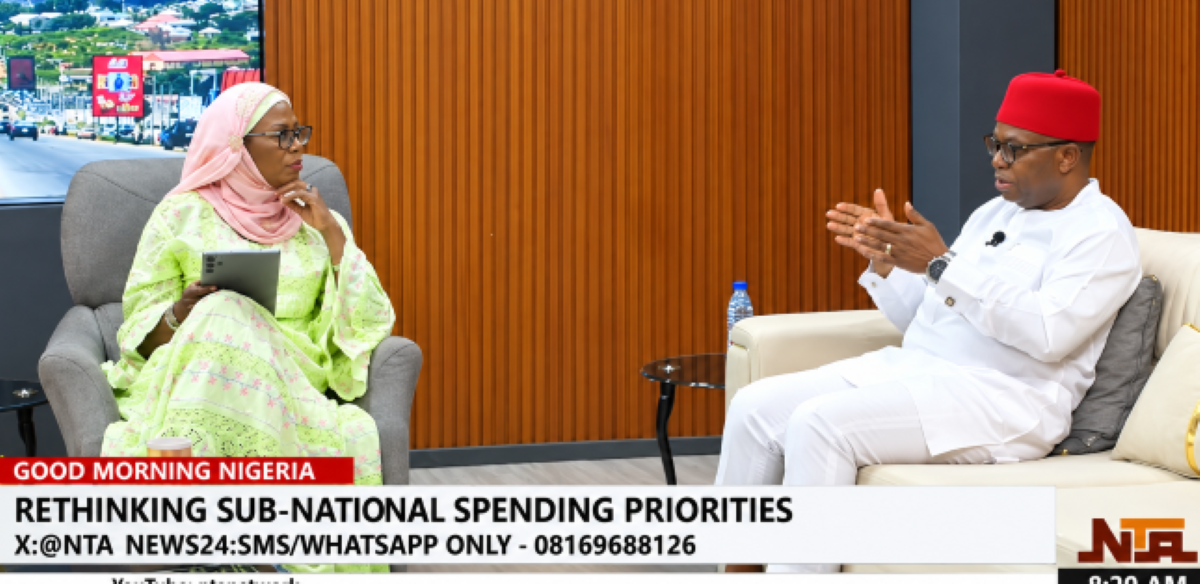
The call was made on Nigerian Television Authority flagship program “Good Morning Nigeria” amid growing pressure on Federal, states, and local governments to provide quality healthcare, education, roads, water, sanitation and public safety services while facing limited revenues and rising operational costs.
Different speakers on the program say many state governments continue to prioritize highly visible construction projects without making sufficient provision for maintenance, staffing and long-term operational expenses. Although new roads, bridges and public buildings are important, they may fail to deliver lasting value if they are poorly maintained or lack the personnel and resources needed to operate them effectively.
Experts are therefore recommending a more balanced approach to budgeting, with greater emphasis on basic service delivery and projects that address the most urgent needs of local communities.
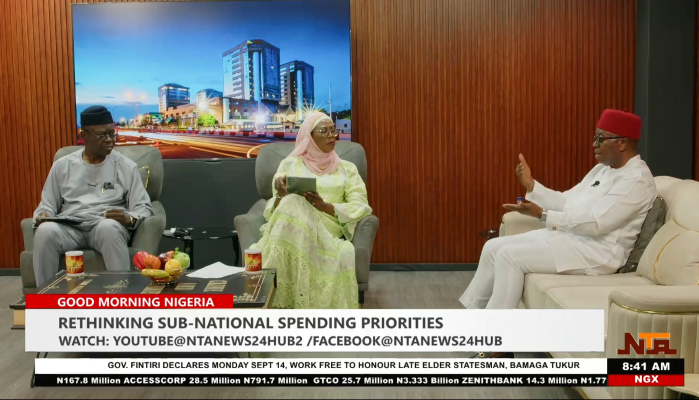
They also called for stronger project appraisal systems to ensure that public funds are allocated based on clear development priorities rather than political pressure or short-term popularity. Before approving major projects, authorities should assess their social and economic impact, the number of residents who will benefit and the government’s ability to maintain them in the future.
Executive Director, Africa Network for Environment and Economic Justice, David Ugolor, called for greater accountability in the management of public funds at all levels.
Ugolor urges relevant regulatory institutions to strengthen oversight and ensure public funds are effectively mismanaged.

He stated that transparency and accountability are expected to play a central role in improving sub-national spending. Local administrations have been encouraged to publish budget information, strengthen procurement procedures and involve citizens in identifying and monitoring development projects.
Former Speaker of the Kogi State House of Assembly Bello Alhaji Abdullahi, called on states government to redirect energies towards reviving moribund industries in their areas to stimulate economic growth thereby creating jobs for the teeming unemployed population.
He noted that spending priorities should reflect the specific needs of each jurisdiction. While one region may require greater investment in agriculture, roads and job creation, another may need to focus on healthcare, education, flood control or access to clean water.
Climate change is adding to the financial responsibilities of local governments. Increasing floods, droughts and extreme weather events are damaging infrastructure and threatening livelihoods. Authorities are being advised to invest in drainage systems, water security, early-warning mechanisms and climate-resilient public infrastructure.
At the same time, sub-national governments face the challenge of raising additional revenue. Improving property records, digitizing tax collection and reducing financial leakages could help strengthen local revenue without placing excessive pressure on households and businesses.
However, experts cautioned that new taxes and service charges must be introduced carefully to avoid worsening economic hardship or discouraging local investment.
The growing focus is on results-based budgeting, in which government spending is measured by its impact on citizens. Local authorities are expected to track whether funding has improved school attendance, reduced hospital waiting times, expanded access to clean water, created employment or improved transport networks.
Rethinking sub-national spending priorities does not necessarily mean reducing public investment. Instead, it requires governments to use available resources more efficiently and focus on projects and services that deliver lasting social and economic benefits.
As local administrations prepare future budgets, the decisions they make will be critical to building resilient, inclusive and prosperous communities.