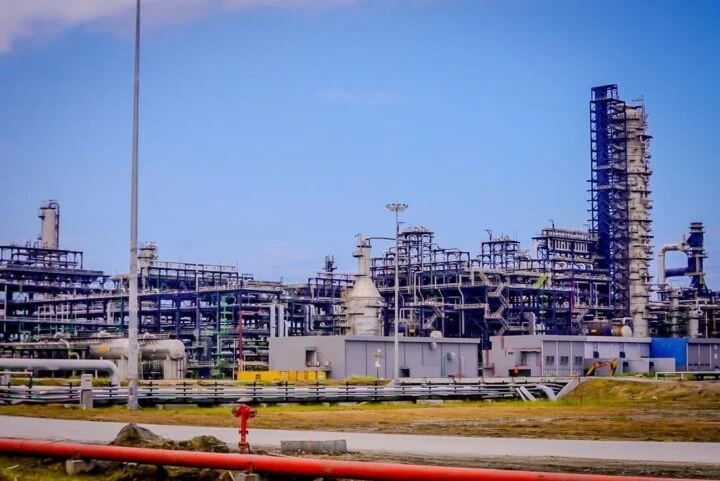


The decision by Dangote Petroleum Refinery to resume the sale of Premium Motor Spirit (PMS) in naira is being seen by industry stakeholders as a significant step towards strengthening Nigeria’s domestic fuel supply and reinforcing confidence in the country’s evolving downstream petroleum sector.
The refinery announced the resumption of naira-denominated sales after concluding arrangements with relevant government institutions, enabling marketers to once again purchase petrol using the local currency. The move comes as Nigeria continues efforts to expand local refining capacity and reduce dependence on imported petroleum products.
For years, Nigeria relied heavily on imported fuel despite being one of Africa’s largest crude oil producers. That dependence exposed the country to fluctuations in global oil prices and foreign exchange challenges, often affecting product availability and increasing costs across the supply chain. Analysts say selling locally refined petrol in naira is another indication that the country is gradually building a more resilient and self-sustaining fuel market.
Industry experts note that the renewed arrangement could also ease the burden on fuel marketers, who previously had to navigate foreign exchange requirements to procure products. By allowing transactions in the local currency, the process is expected to improve the movement of products from refinery to retail outlets, while supporting broader efforts to promote naira-based transactions within the economy.
Although the development is not expected to produce an immediate reduction in pump prices, stakeholders believe that consistent domestic refining and a more reliable supply chain could help reduce supply disruptions over time. They also point to the wider economic benefits of increased local refining, including lower dependence on fuel imports, improved energy security and greater value addition within Nigeria’s oil and gas industry.
As the Dangote Refinery continues to increase production, the return to naira sales is being viewed as another milestone in Nigeria’s journey towards achieving greater self-sufficiency in petroleum refining. Observers say sustained investment in domestic refining, alongside ongoing reforms in the downstream sector, will be critical to ensuring that the benefits of local production are reflected in improved fuel availability and long-term stability for consumers and businesses alike.