
Anatomy of an Energy Crisis
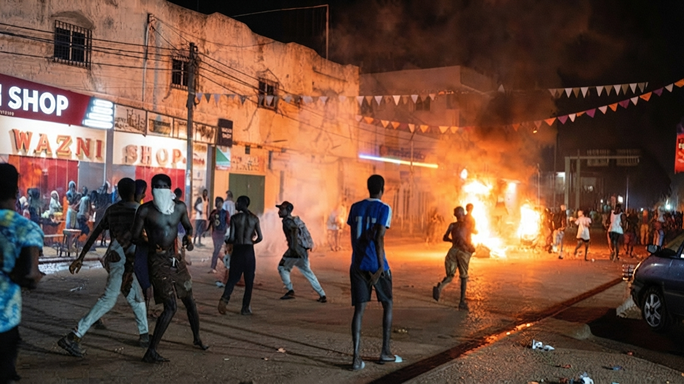
The immediate catalyst behind the unrest involves severe power outages that escalated significantly, leaving communities grappling with blackouts lasting between 16 to 48 hours during extreme seasonal heat waves. Public frustration boiled over when demonstrators took to the streets in Banjul, Kanifing/Serrekunda, and parts of the West Coast Region, utilizing candles and barricades to voice their discontent. What began as a reaction to unbearable living conditions quickly acquired a political dimension, with crowds gathering near key government and utility facilities.
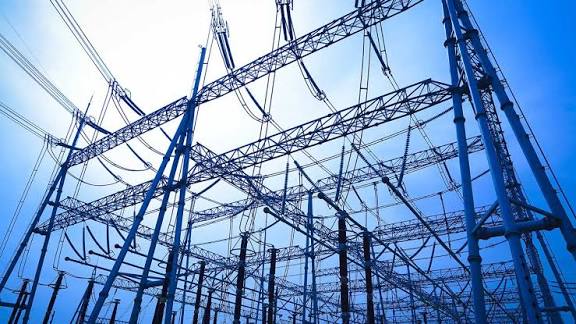
“The Gambia’s electricity crisis is exposing a structural weakness in the country’s energy system at exactly the moment when public patience and political pressure are unusually high.” — Editorial Analysis
Beyond the Switch: Electricity as a Proxy for Governance
When power failures stretch across multiple days, the frustration moves far beyond simple inconvenience. Citizens begin questioning the reliability of public investments, the transparency of utility management, and the overall capacity of the state to deliver on developmental promises. Lawmakers have echoed these sentiments in the legislature, demanding long-term structural reforms rather than temporary stopgaps to address decades of recurrent generation failures.
FAST AFCTS
| THE CRISIS AT A GLANCE | KEY FACT |
|---|
| Outage Duration | Up to 48 hours reported in some areas |
| What Is Driving It? | Record demand, equipment failures and reduced hydropower availability |
| System Vulnerability | Reliance on domestic generation plus regional electricity imports |
| Immediate Response | New generators and an additional 24 MW generation unit |
| Longer-Term Plan | A proposed 50 MW solar power plant |
| Political Context | Crisis unfolding ahead of the December 2026 presidential election |
Structural Vulnerabilities and Regional Dependencies
The crisis cannot be reduced to a simple shortage of generation capacity. Assessments from financial and development institutions highlight that ageing equipment at key production facilities, maintenance challenges, and constraints within transmission networks have severely hampered domestic output. Furthermore, while regional integration through initiatives like the West African Power Pool (WAPP) and the OMVG transmission system has historically lowered costs and introduced clean hydropower, it creates a secondary vulnerability: external interruptions in imported power cannot always be immediately offset by local reserves.
The Response and the Road Ahead
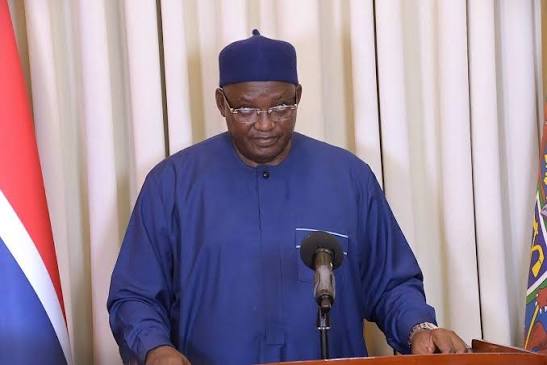
In response to the emergency, executive leadership has acknowledged public grievances and outlined plans for additional generation units, including solar capacity interventions and specialized monitoring task forces. However, experts emphasize that adding generation capacity alone will not resolve the crisis unless distribution networks, maintenance protocols, and utility financial sustainability are comprehensively overhauled to ensure reliable delivery all the way to the household meter.
The Social Call-to-Action (CTA): How can West African nations best balance regional power integration with domestic energy self-sufficiency? Share your perspective on NTA’s digital and social media platforms.