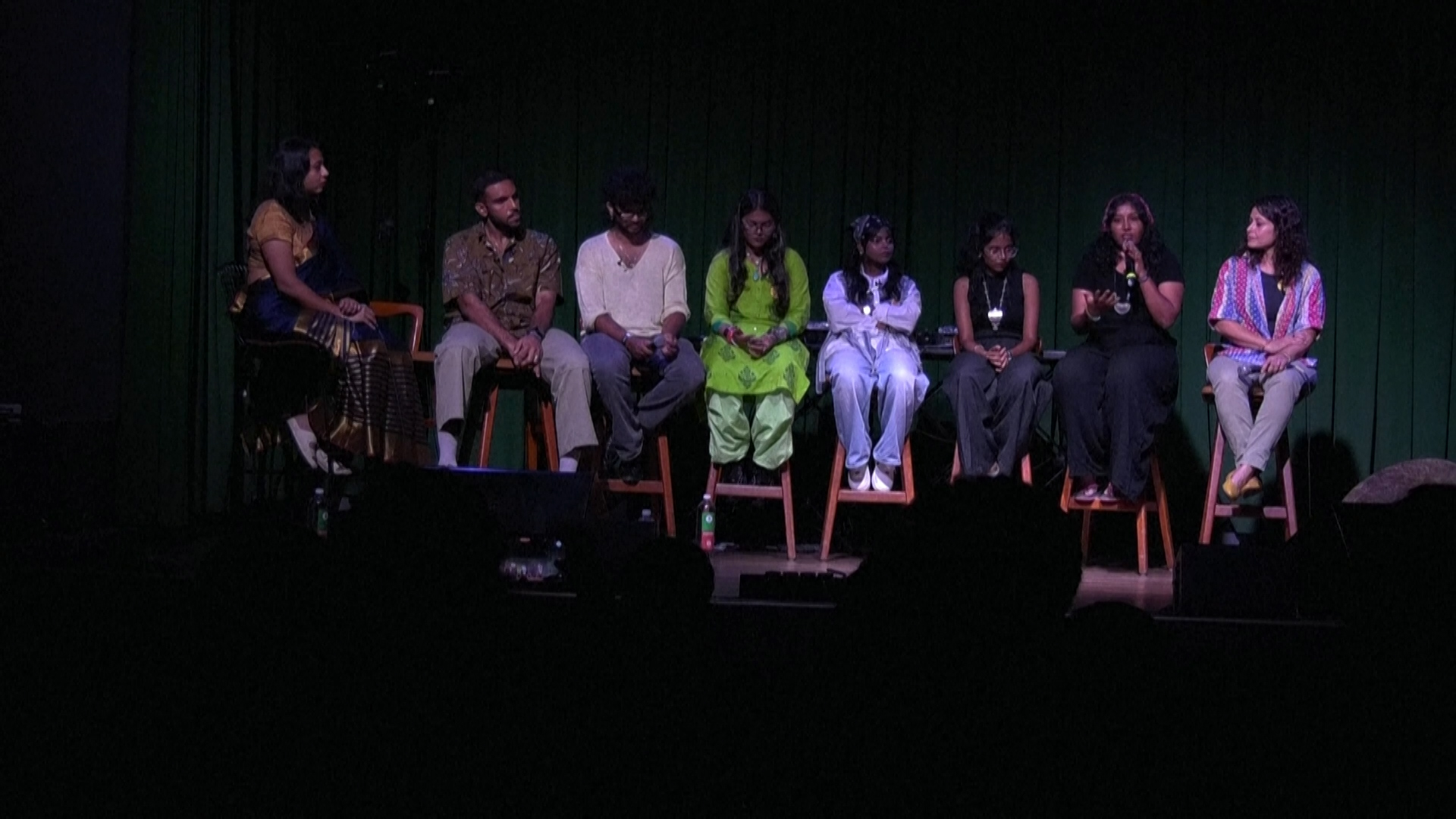

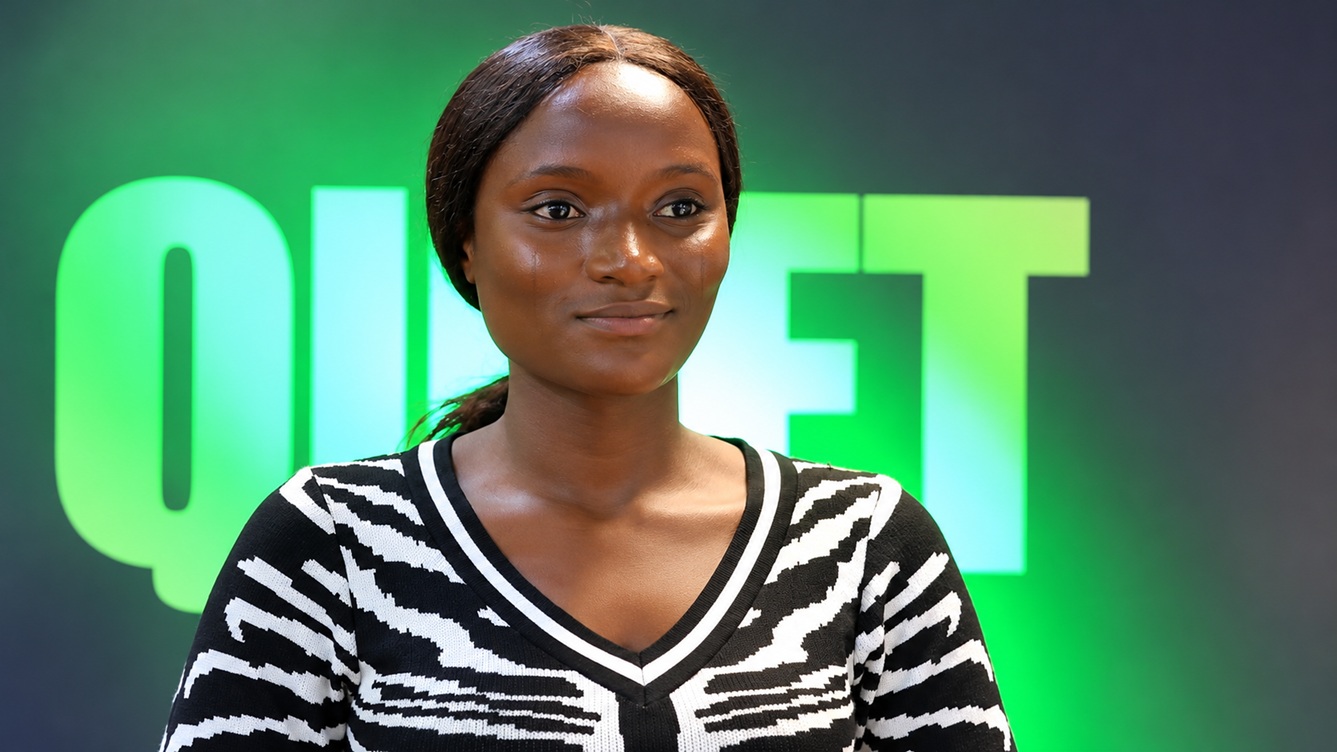
After enduring days of captivity, hunger and the struggle to secure her release, Patience Danladi shared her experience as a kidnapping survivor at the Africa Films for Impact Festival (AFFIF) 2026. Her testimony during a panel discussion accompanying the premiere of The Quiet highlighted the lasting impact of kidnapping and the need to support survivors as they rebuild their lives.
Patience Danladi’s story is one of survival, loss and the difficult journey of finding hope after trauma.
A native of Kaduna State, Patience knows what it means to have life changed in an instant. When she was kidnapped, the experience became a painful chapter that she is still trying to recover from. But at the closing day of the Africa Films for Impact Festival (AFFIF) 2026, she chose to speak, sharing her experience during a panel discussion held as part of the premiere of The Quiet.
Her account paints a harrowing picture of life in captivity. Patience said she and others were forced to travel on foot for three days without food or water. In their desperate attempt to stay alive, they sometimes drank dirty water contaminated with faeces.
“Sometimes we have just little to eat, anything we see, good or bad, we just take it for survival,” she recalled.
For Patience, the ordeal did not end with her release. The struggle to secure her freedom came at a heavy cost to her family. With her father deceased, it was her mother who had to raise the money to save her from the kidnappers.
“Everything we worked for for years was taken in the twinkle of an eye,” she said, reflecting on the sacrifices made to bring her home.
The road to recovery has been far from easy. Patience spoke about the overwhelming challenges of trying to rebuild her life, noting that people who might ordinarily offer support are also struggling with their own circumstances. Beyond the trauma of captivity, there is the uncertainty of what comes next.
Yet, her story is not defined solely by what she has endured. Patience holds a National Certificate in Education (NCE) and hopes to further her studies in Business Education. She is the only child her mother has been able to sponsor to the NCE level, while her siblings continue to navigate their own financial struggles. For her, education remains a possible pathway towards a more secure future.
Her presence at AFFIF 2026 was made possible by an invitation from Bright Wonder Obasi, the festival’s convener and producer of The Quiet. Obasi explained that Patience was among several survivors approached to share their experiences at the festival. He said a glimpse into her story convinced the organisers that her testimony could inspire others.
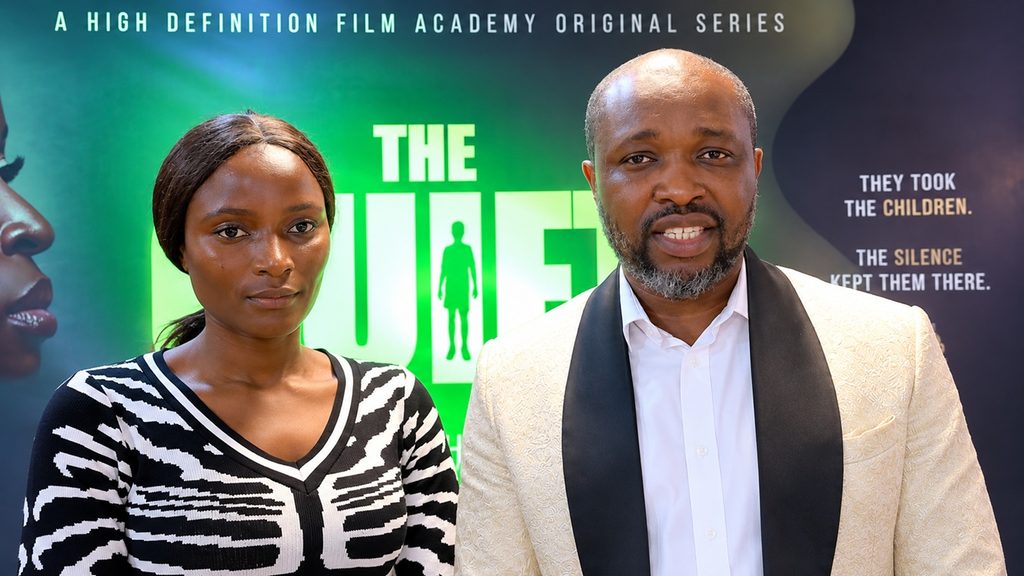
“We are saying break the quiet, and I see Patience as a symbol breaking the quiet,” Obasi said.
He described her as both a victim and a survivor, emphasising that many others continue to face similar challenges. For him, the conversation around kidnapping must go beyond hearing survivors’ stories to providing meaningful support that helps them regain stability and rebuild their lives.
Beyond sharing her story, Patience’s experience raises a broader question about what happens to survivors after they escape captivity. For many, returning home does not automatically mean returning to normal life. The emotional, financial and social consequences can continue long after their release. Supporting survivors therefore requires more than sympathy; it calls for a willingness to listen, help where possible and create opportunities for them to regain their independence.
As Patience Danladi speaks about her experience, her testimony becomes a reminder that survival is only one part of the journey. Healing, access to opportunities and support from society remain essential. At AFFIF 2026, her voice gave meaning to the call to “break the quiet” — not only by speaking about the trauma, but also by recognising and supporting those still finding their way forward.