
A groundbreaking scientific intervention in Europe is demonstrating how heavily devastated battlefields can be systematically restored to productive farmland. Under a specialized international initiative, scientists are deploying a resilient perennial grass to purge toxic military pollutants from Ukraine’s war-torn soils.
Healing the Scars of Modern Warfare
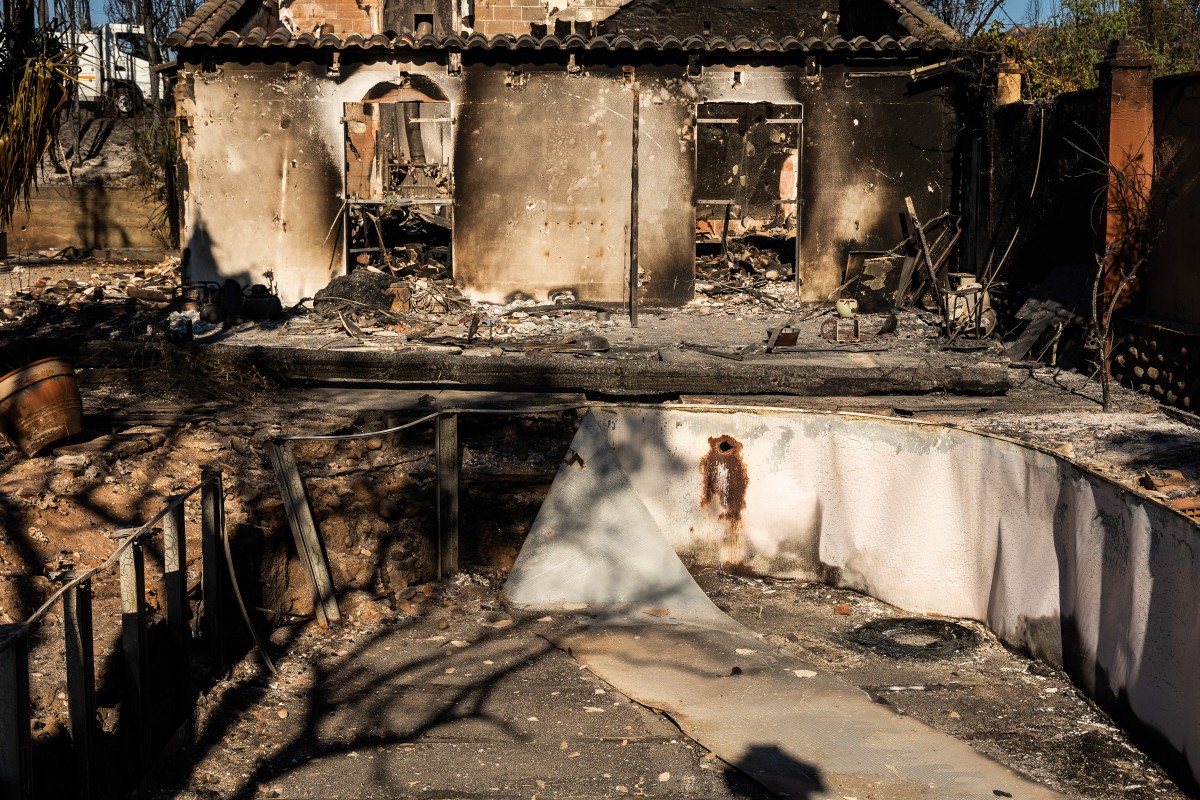
The ongoing conflict in Ukraine has left behind a severe ecological crisis, with vast expanses of once-fertile soil contaminated by fuel, explosives, and heavy metals. This degradation poses a long-term threat to global agriculture, local livelihoods, and environmental safety.

To address this challenge, the NATO Science for Peace and Security programme is backing a project aimed at the environmental regeneration of former military sites. Valued at €346,000, the initiative commenced in 2023 and is scheduled to run until 2027. The rigorous scientific effort is led by Jan Evangelista Purkyne University in the Czech Republic.
The Power of Phytoremediation
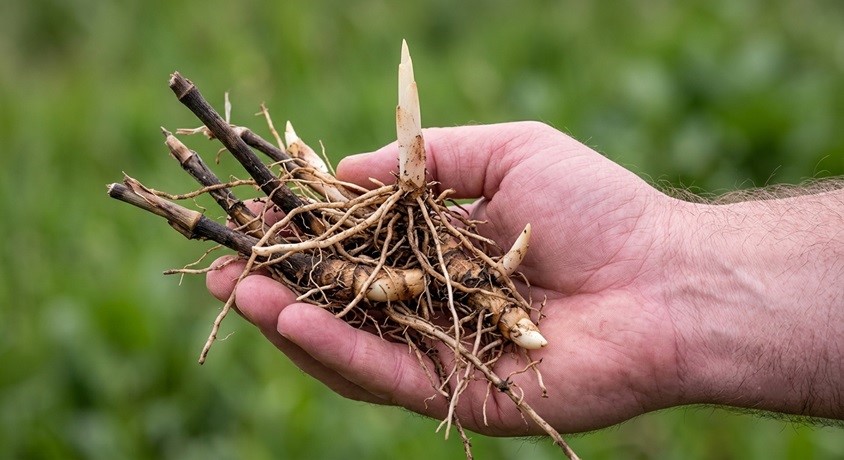
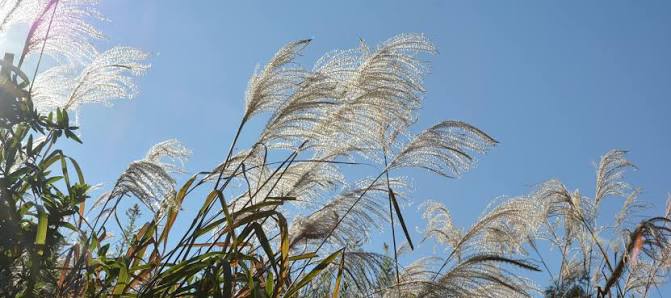
The project focuses on phytoremediation—a low-cost, scalable method that uses living plants to clean up contaminated environments. Scientists are specifically testing giant miscanthus, a tall perennial grass known for its capacity to thrive on highly degraded land.
The plant develops extensive root networks that help trap dangerous trace elements, metals, and explosives while simultaneously improving soil organic matter. Furthermore, researchers emphasize that giant miscanthus possesses strong carbon-sequestration potential, combining toxic cleanup with active climate restoration.
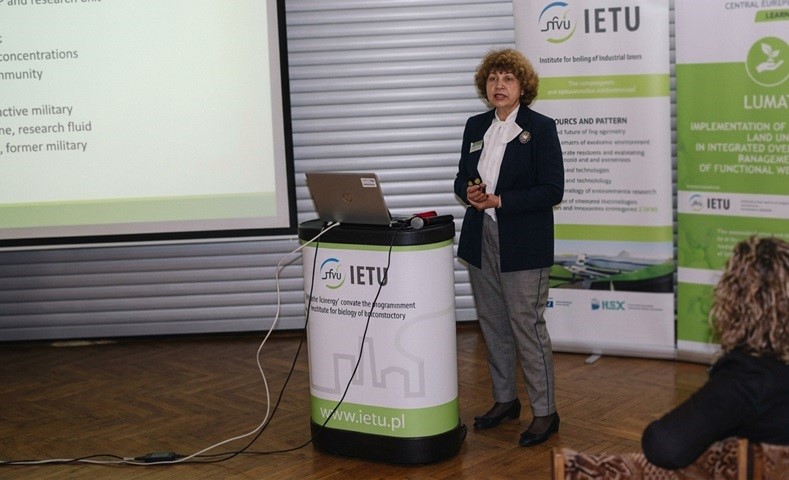
“The work is still at an early stage, but researchers said initial analyses have shown positive effects on soil biological parameters and carbon sequestration, raising hopes that contaminated military land could eventually be restored for farming.”- Valentina Pidlisnyuk
Long-Term Trials and Global Collaboration
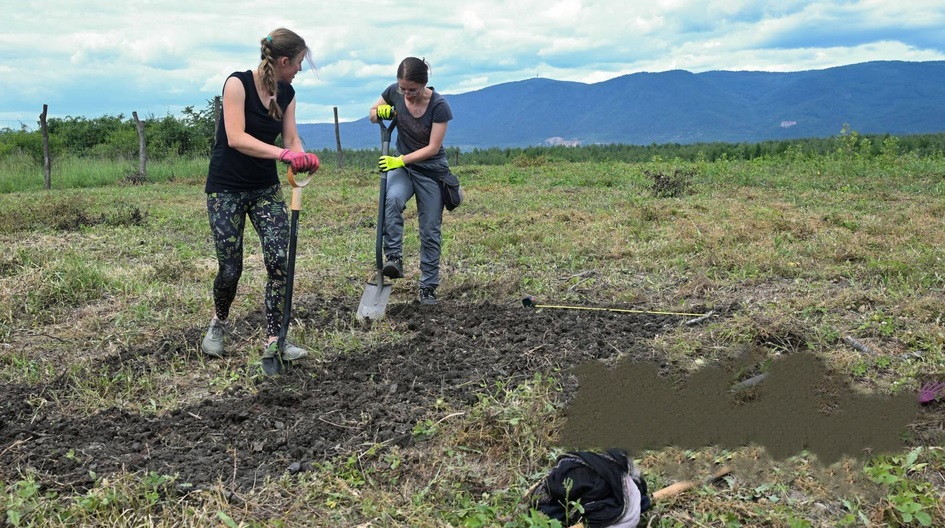
Active field trials are currently being conducted near Vorzel, an area close to Bucha that was heavily impacted during the invasion of Ukraine. While experts caution that biological soil cleanup is a slow process that requires years rather than months, the structural benefits are highly promising.
This research relies on an international coalition of partners spanning Canada, Croatia, Kazakhstan, Ukraine, and the United States. The final data will provide a vital blueprint for post-war recovery operations globally.
Fast Facts: NATO Soil Regeneration Project
- Project Name: NATO Science for Peace and Security research on soil regeneration.
- Lead Institution: Jan Evangelista Purkyne University, Czech Republic.
- Test Crop: Giant miscanthus (perennial grass).
- Key Target Contaminants: Explosives, oil products, trace elements, and heavy metals.
- Project Timeline: Launched in 2023; slated to run until 2027.
- Total Funding: €346,000.
The Social Call-to-Action (CTA)
Could eco-friendly phytoremediation technologies be deployed to reclaim ecologically degraded or oil-polluted lands across Nigeria? Share your perspective with us on NTA’s digital platforms using the hashtag #NTAScience.