

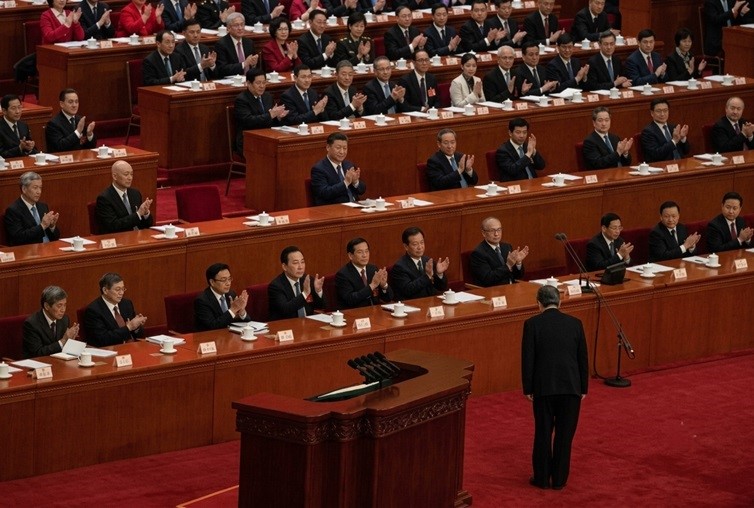
China’s sweeping new Ethnic Unity and Progress Promotion Law officially came into force on 1 July 2026, triggering intense international debate over state-enforced nationalism, human rights, and transnational censorship.
The Core Mandate of Beijing’s New Legal Framework
Adopted by the National People’s Congress on 12 March, this framework has been described by Chinese state media as a fundamental law on ethnic affairs. The legislation applies across all 56 officially recognised ethnic groups within the country.

The law formalises “ethnic unity and progress” as a core state objective, legally requiring schools, media organisations, and cultural institutions to promote a shared Chinese national identity. While official wording states that minority languages will be respected and safeguarded, the law explicitly mandates that institutions across the country aggressively promote the use of standard Mandarin Chinese.
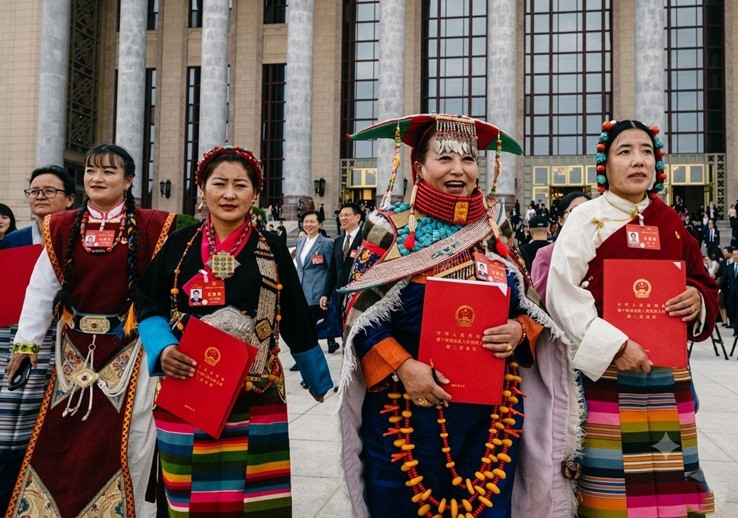
“Amnesty International said the law pushes minority groups toward a single, state-defined national identity and could strengthen transnational repression.”
Deepening Fears Over Assimilation and Extraterritorial Reach
The implementation of this legislation has drawn sharp condemnation from Amnesty International, United Nations human rights experts, and the European Parliament. Critics argue the law provides systematic legal cover for authorities to heavily police minority identity, religion, education, and free speech.
Of particular concern to international observers is an extraterritorial clause embedded within the text. This specific provision allows Chinese authorities to hold organisations and individuals outside mainland China accountable if they are deemed to “undermine” national ethnic unity, posing an immediate threat to diaspora activists, researchers, and journalists globally.
Fast Facts: China’s 2026 Ethnic Policy Shift
- Enactment Date: 1 July 2026, following its legislative adoption on 12 March.
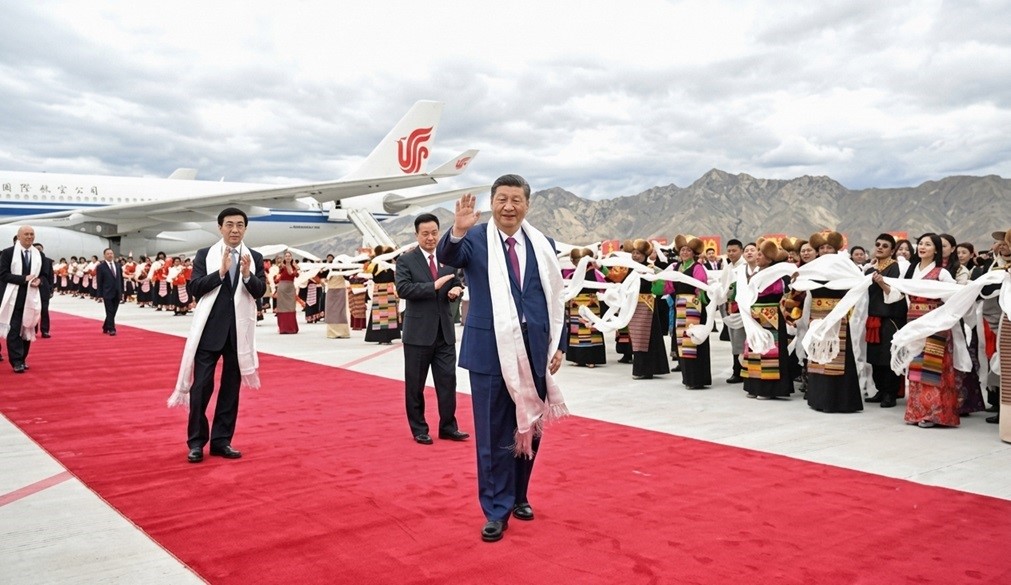
- Scope of Impact: Affects all 56 officially recognised ethnic groups, most notably the 11 million Turkic Muslim Uyghurs in Xinjiang and Buddhist communities in Tibet.
- Core Mechanism: Pushes standard Mandarin language dominance while penalising any local or international actions deemed harmful to state-defined unity.
The Global Context: Existing Patterns of Repression
The timing of the law coincides with years of documented international criticism regarding China’s treatment of minority communities. Human rights organisations and UN-linked reporting have consistently detailed systematic campaigns aimed at the “Sinicisation” of minority cultures, a process designed to embed these groups more deeply into the ideological control of the state.
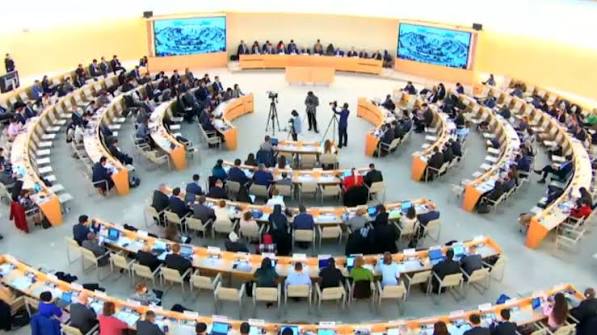
In Xinjiang, credible global reports indicate a history of mass arbitrary detention, ubiquitous surveillance, and forced labour impacting the Uyghur population. Simultaneously, in Tibet, rights advocates have raised alarms over the closure of local schools and the placement of children into boarding-school systems that strictly prioritise Mandarin language acquisition and political indoctrination.

The Social Call-to-Action (CTA)
How should African nations balance deep economic ties with global powers when sweeping internal laws threaten transnational speech? Share your perspective and join the discussion on NTA’s official X and Facebook platforms using the hashtag #NTADigitalForeignPolicy.