

Compiled By: Malami Haruna Dogon daji
29 OCTOBER, 2026
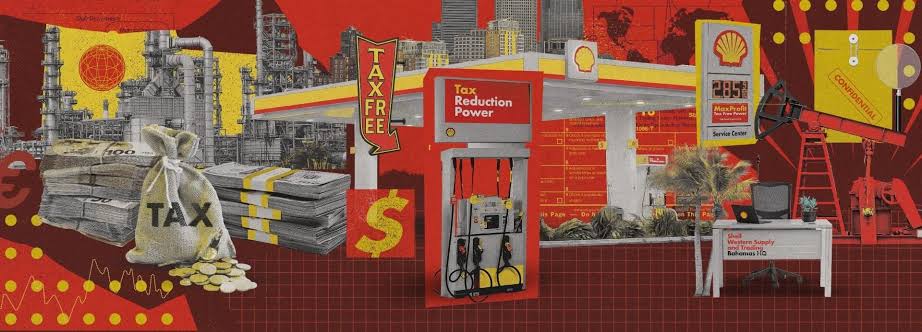
As ordinary Nigerian households grapple with soaring pump prices touching approximately N1,400 per litre, energy giant Shell has announced a staggering $12.1 billion third-quarter profit, starkly illustrating the growing financial chasm between record corporate gains and mounting living expenses.
Global Energy Volatility Drives Record Earnings
Shell announced on Thursday that income attributable to shareholders reached $12.1 billion in the three months leading up to September. Its adjusted earnings – the key metric used to evaluate underlying operational performance, climbed to $10.8 billion, nearly doubling the $5.43 billion recorded during the same period last year.
The energy conglomerate attributed these robust financial returns to strong operational efficiency, higher global oil and gas prices, and record refining margins during a period marked by severe disruptions across international energy networks.
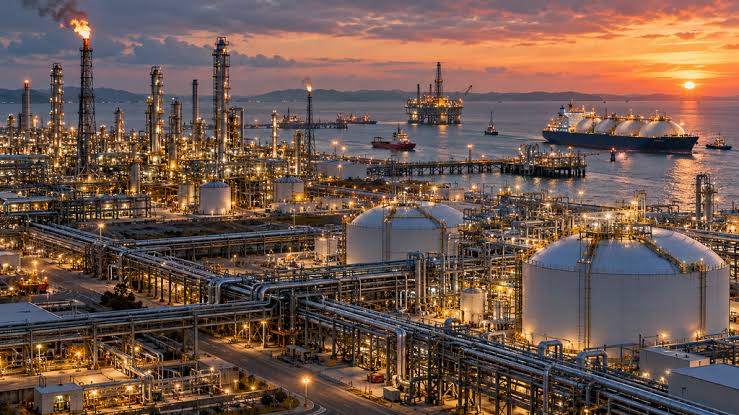
“Refining margins measure the difference between what a refinery pays for crude oil and what it earns from selling fuels such as petrol and diesel. When fuel supplies tighten, these margins can rise sharply, increasing profits for companies with large refining operations.”
Following this financial performance, Shell revealed a $5 billion share buyback programme, building on previous quarters that saw $3.2 billion in share repurchases and $2.2 billion in dividend payouts.
The Pressure on Households in Nigeria and Europe
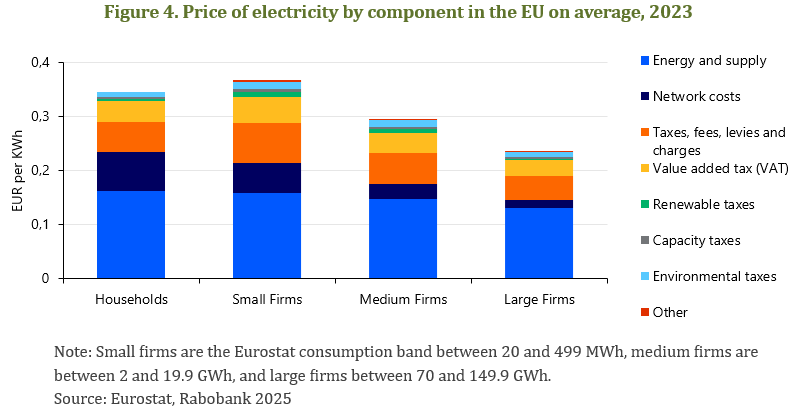
The surge in corporate earnings coincides with severe consumer hardship across multiple regions. In the Eurozone, energy inflation hit 18.8% in September, while European Union diesel and petrol prices climbed 35% and 23% respectively between late February and early October.
The domestic strain in Nigeria is equally apparent across filling stations:
- Petrol prices at select NNPC Retail and independent stations surged to approximately N1,400 per litre in October.
- Other independent marketers retailed products priced between N1,350 and N1,429 per litre.
These elevated fuel costs drive up expenses far beyond personal vehicle maintenance, inflating the costs of food transport, small business operations, and backup generator fuel—expenses that are ultimately transferred to everyday consumers.
Context Box: The Nigerian Energy Paradox
- Domestic Production vs. Global Exposure: Although Nigeria is a leading oil producer, local consumers remain exposed to imported or domestically refined fuel prices driven by global crude benchmarks, foreign exchange rates, and logistics costs.
- Refining Realities: The Dangote Petroleum Refinery recently reduced its gantry loading price for petrol to N1,125 per litre. However, a lower gantry price does not translate to immediate relief at every fuel pump due to transport logistics, retail margins, and distribution taxes.
- Policy Options: Economic experts note that potential government interventions include targeted cash support, temporary energy relief, enhanced market competition oversight, public transport investments, and accelerated renewable energy development.
Policy Dilemma and Corporate Accountability
While Shell’s profits do not single-handedly dictate consumer bills—given the complex mix of geopolitical conflict, supply constraints, exchange rates, and taxation—the scale of these returns demonstrates how firms positioned across oil, gas, LNG, and refining capitalize during periods of energy scarcity.
The core policy challenge remains how governments can protect vulnerable populations from inflationary pressures without stifling vital energy investments. For citizens in Nigeria and across Europe, the central issue is whether the financial windfalls of high energy prices will remain concentrated within corporate balance sheets or if policy frameworks can secure a fairer balance for the public.
The Social Call-to-Action (CTA)
How can the Federal Government best cushion the impact of rising global energy prices on Nigerian households? Share your thoughts in the comments below or join the conversation on NTA’s official social media channels @ NTANetwork