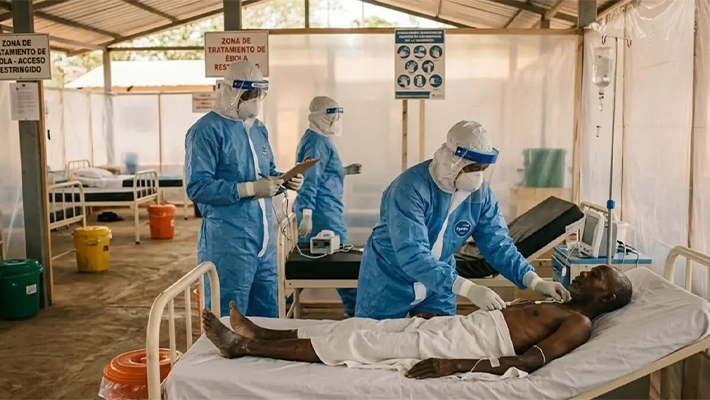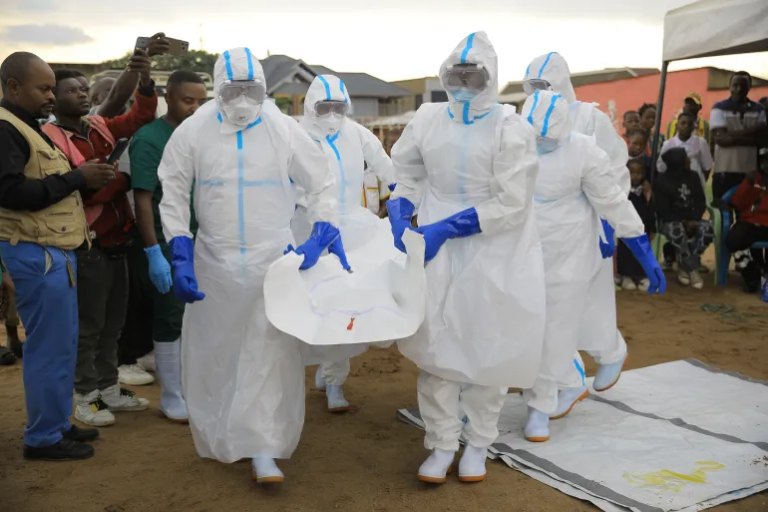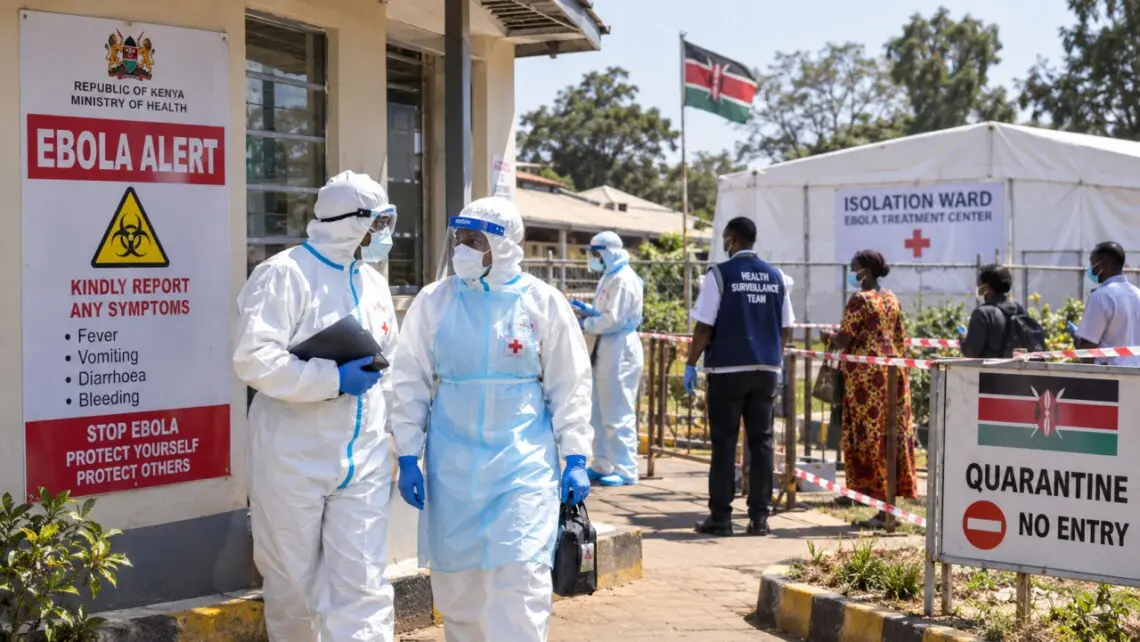

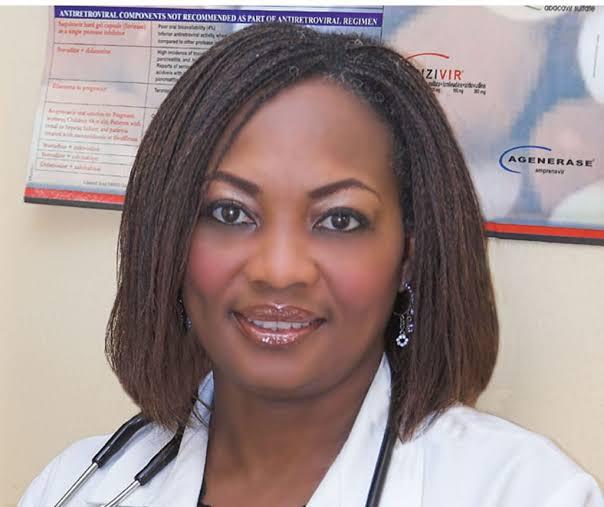
When Ebola was first detected in Nigeria in July 2014, the country faced the risk of the virus rapidly spreading through its most populous city. At the center of the response was Dr Ameyo Stella Adadevoh, a medical practitioner, whose decision to keep a suspected Ebola patient in isolation helped protect the public despite external pressure.
Adadevoh was working at First Consultant Medical Centre in Lagos when Patrick Sawyer, a Liberian-American who had travelled to Nigeria, was brought to the hospital after falling ill. Although malaria was initially suspected, Adadevoh recognised signs that resembled that of Ebola, which was already spreading across parts of West Africa.
She pushed for testing and refused to release Sawyer while the risk of infection was mostly likely. The decision came despite pressure from the patient and officials who wanted him discharged.
Eventually, Sawyer was confirmed to have Ebola, and health authorities began tracing people who might have been exposed to him. Nigeria eventually recorded 20 cases and 8 deaths before the World Health Organization declared the country free of Ebola transmission on October 20, 2014. The response involved many health workers and public officials, but Adadevoh’s early recognition of the danger and insistence on isolation became a remarkable part of the story.
A sacrifice that cost her life
Adadevoh contracted Ebola while caring for patients during the outbreak. She died on August 19, 2014, becoming one of the healthcare workers who lost their lives to the disease.
Her death highlighted the risks faced by medical professionals working with dangerous infections, particularly when protective equipment and adequate preparedness are non-existent. Her colleagues also faced the danger as they worked to contain the virus.
Yet her legacy is not only about the sacrifice she made. It is also about the responsibility of healthcare workers to recognize warning signs, take necessary precautions and protect patients and the wider community, even under extreme circumstances.
The lessons Nigeria must not forget
Adadevoh’s story remains a reminder that containing an outbreak requires more than treating patients after they become seriously ill. Early detection, prompt reporting, isolation, contact investigation and adequate protection for health workers are all essential to preventing an infection from spreading.
It also raises an important question about the conditions under which medical professionals work. Courage and professional judgment matter, but healthcare workers should not have to rely on improvisation or put their lives at unnecessary risk because the right equipment and systems are lacking.
The Dr Ameyo Adadevoh Health Trust, established in her memory, continues to focus on public health education and infection prevention.
More than a decade after the 2014 outbreak, her story offers a lasting lesson: an early decision made by one health professional can have consequences far beyond a hospital ward. But protecting a nation from an epidemic must never depend on one person’s courage alone. It requires a prepared health system, public cooperation and support for the people on the front lines.
Dr Ameyo Stella Adadevoh stood firm when it mattered. A good way to preserve her legacies is following through with the lessons her heroic actions left behind.