
Compiled By: Malami Haruna Dogon daji
As Nigeria navigates rising food inflation and intensifies efforts to scale up domestic food production, the United Nations has issued an urgent call that could redefine the continent’s agricultural landscape. At the global Our Ocean Conference in Mombasa, Kenya, international experts warned that Africa must aggressively expand its fish farming capacity to shield itself from severe climate disruptions hitting traditional ocean catches.
The Mombasa Declaration: A Call to Action
Speaking on Tuesday, June 16, 2026, at the 11th Our Ocean Conference—held on African soil for the very first time—the United Nations Food and Agriculture Organisation (FAO) presented its flagship “State of World Fisheries and Aquaculture” (SOFIA) report. The summit marks a historic milestone, with organizers noting that the conference series has driven over 2,900 commitments valued at $169 billion since 2014 to safeguard marine ecosystems, ensure sustainable fishing, and bolster climate adaptation.
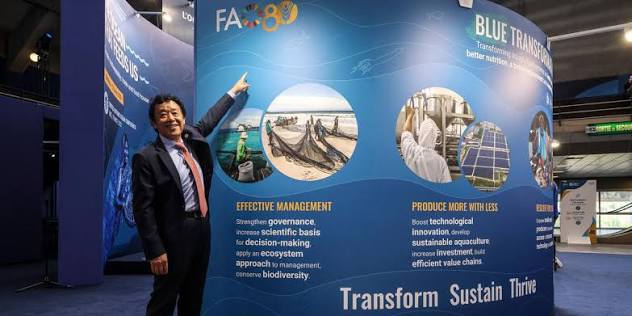
The core message of the 2026 report is clear: global food dynamics have fundamentally shifted. Worldwide aquaculture surpassed 100 million tonnes for the first time in 2024, cementing a trend where farmed fish officially overtook traditional wild capture fishing as the primary source of aquatic food production back in 2021.
Addressing the Geographical Imbalance
Despite global progress, the UN highlighted a severe geographical disparity that leaves Africa vulnerable. Asia currently dominates the landscape, commanding a massive 90% of global aquaculture production. By contrast, the entire African continent accounts for a mere 1.9% of global output.
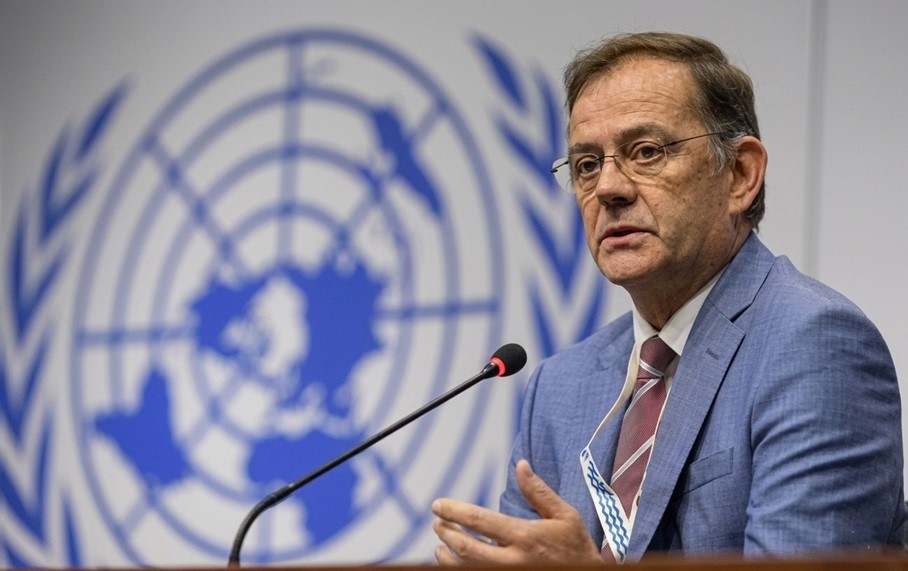
“If we need to continue growing aquaculture properly, we need to make sure that this geographical imbalance is addressed. Aquaculture can be a game-changer. If we manage to develop aquaculture in Africa, there’s a lot of opportunities.” — Manuel Barange, Director of FAO’s Fisheries and Aquaculture Division
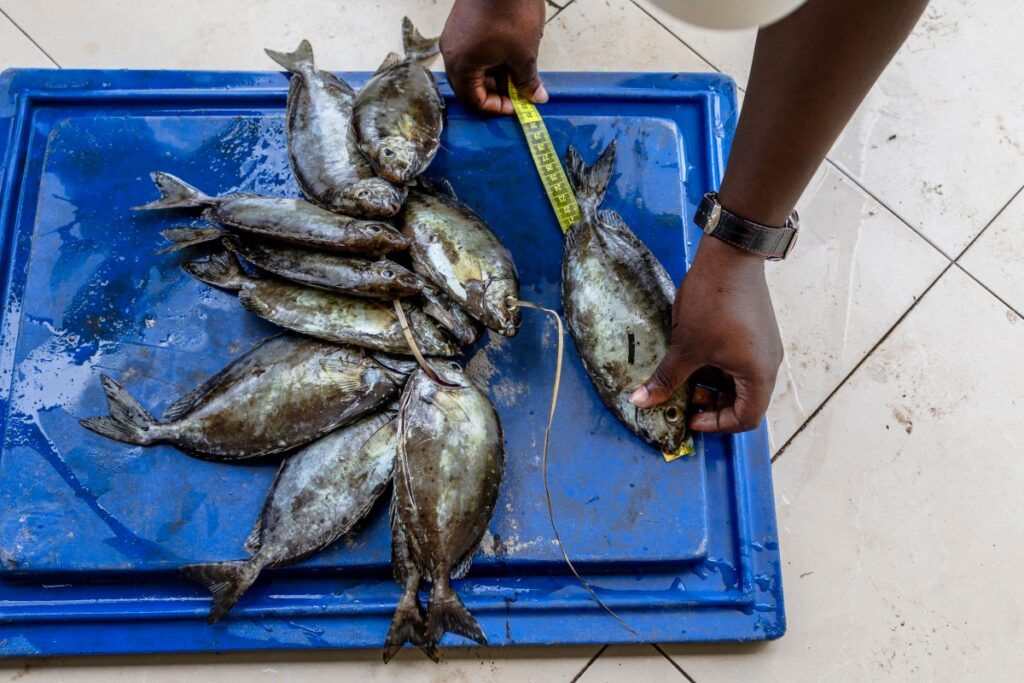
A new study presented at the Our Ocean Conference in Mombasa on June 16, 2026 finds that 166,000 square kilometres of the world’s coral reefs, around a third of the total, are particularly “climate-resilient”, meaning they have the potential to survive through major ocean warming events.
Action is still needed to help those reefs recover from increasingly frequent bleaching events. Down the coast from Mombasa, on Kenya’s paradisical Wasini-Mkwiro island, villagers are showing the way. (Photo by Tony KARUMBA / AFP)
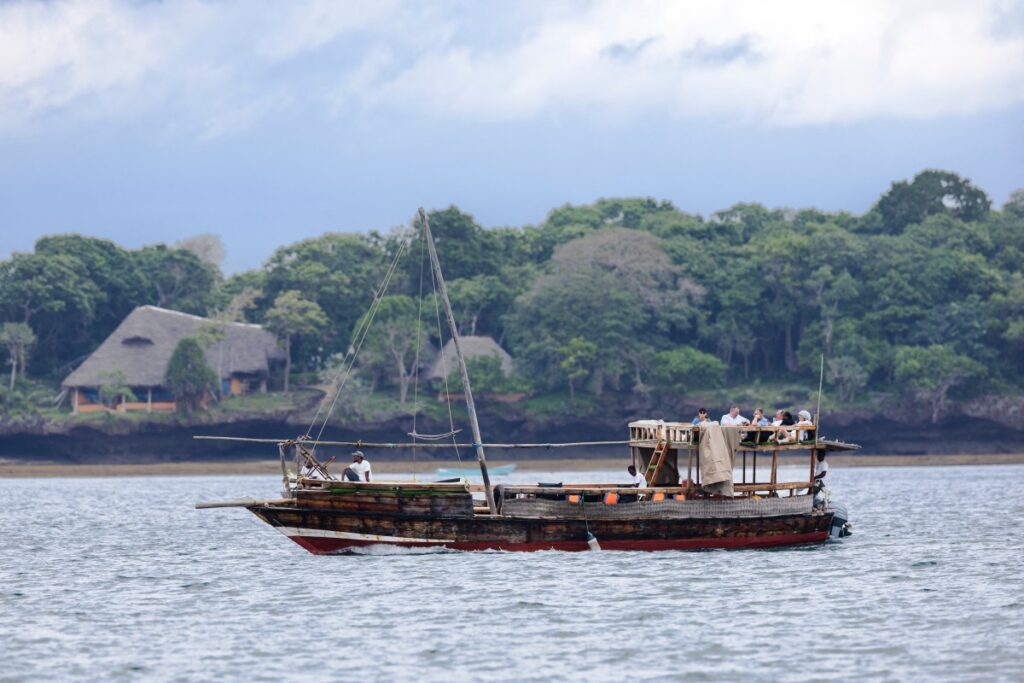
A new study presented at the Our Ocean Conference in Mombasa on June 16, 2026 finds that 166,000 square kilometres of the world’s coral reefs, around a third of the total, are particularly “climate-resilient”, meaning they have the potential to survive through major ocean warming events.
Action is still needed to help those reefs recover from increasingly frequent bleaching events. Down the coast from Mombasa, on Kenya’s paradisical Wasini-Mkwiro island, villagers are showing the way. (Photo by Tony KARUMBA / AFP)
To bridge this gap, international experts insist that African governments must implement robust regulatory frameworks and targeted financial incentives to attract serious private sector investors. Climate change is already altering ocean temperatures and disrupting traditional wild fish migrations, making the predictability of managed fish farms indispensable for national food security.
| CONTEXT AREA | DETAILS |
|---|---|
| Global Domination | Farmed fish officially overtook traditional wild-capture fishing globally in 2021. |
| The Asian Hub | Asia produces 90% of the world’s farmed seafood. |
| The African Gap | Africa contributes just 1.9% to global aquaculture production. |
| Biodiversity | Over 700 distinct fish species are successfully cultivated on aquaculture farms worldwide. |
Strategic Blue Economy Realities for Nigeria
For Nigeria, which boasts an extensive coastline and vast inland water networks, the UN’s directives serve as a strategic roadmap. Moving away from volatile ocean tracking toward structured, technology-driven fish farming offers a sustainable path to feed a rapidly expanding population.
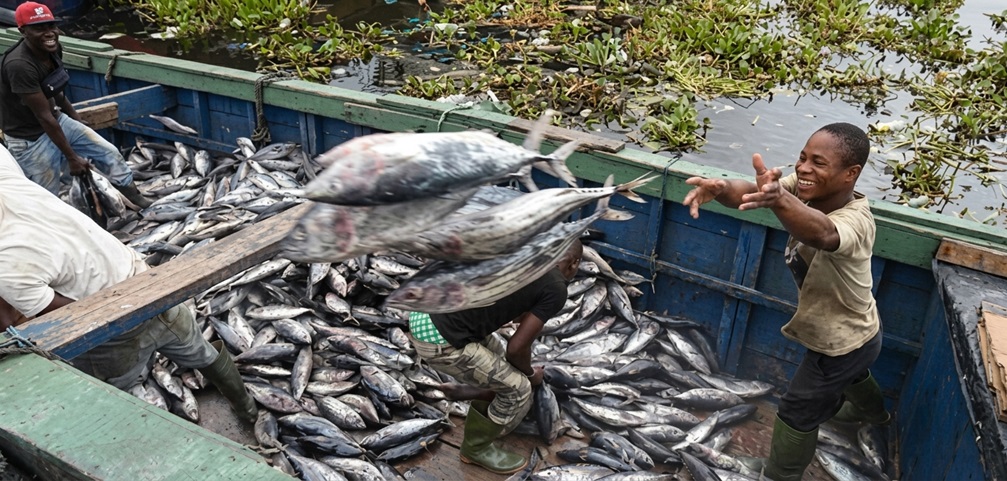
However, achieving this transition requires active policy support. Director Manuel Barange emphasized that targeted public policies, seamless technology transfer, localized capacity building, and responsible investments are the key pillars required to unlock the continent’s dormant aquaculture potential.
The Social Call-to-Action (CTA)
With traditional ocean fishing facing severe threats from climate change, can domestic fish farming secure Nigeria’s food future and create employment for our youth? Share your thoughts and join the conversation with the NTA Department of Digital Innovation and Technology on X (formerly Twitter) and Facebook using #NTANetwork and #BlueEconomyNG.