

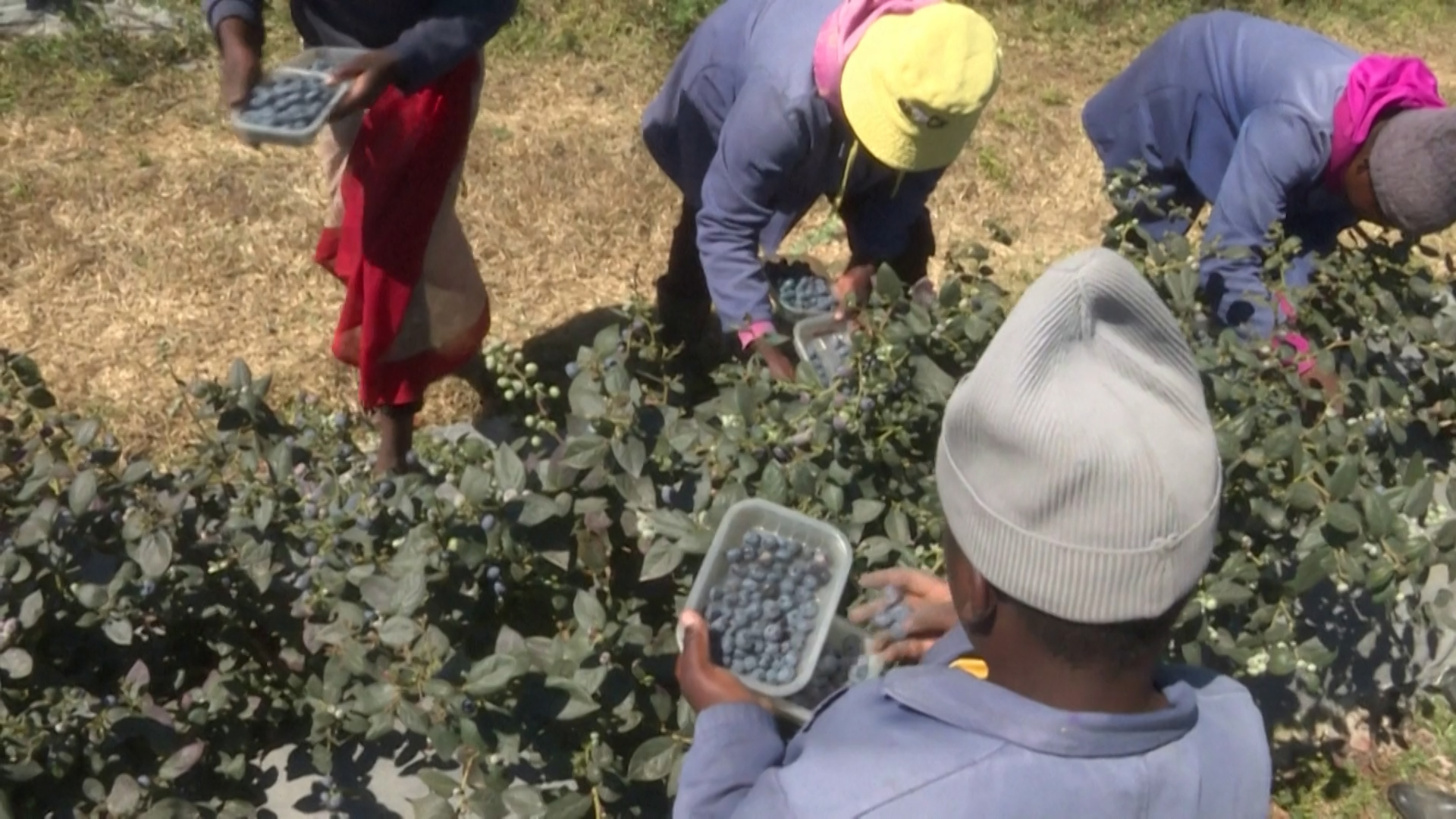
Zimbabwe’s blueberry industry is expanding rapidly as demand from China opens a lucrative new export market, but farmers say a lack of affordable financing could prevent them from producing enough fruit to meet the growing appetite.
As China develops a growing appetite for Zimbabwean blueberries, farmers are racing to expand production and take advantage of a newly opened export market. But for growers hoping to scale up quickly, access to finance remains one of the biggest obstacles.
At Forrester Estates, about 100 kilometres north of Harare, farm manager Albert Chakala says the demand is there, but the money needed to meet it is proving harder to secure. The farm plans to more than double its blueberry planting area next year, from 22 hectares to 50 hectares, but establishing each new hectare requires an upfront investment of between $50,000 and $55,000, mainly for irrigation, planting material and infrastructure. “The funding, that’s the problem,” Chakala told AFP.
The urgency has increased since Zimbabwe sent its first shipment of blueberries to China in July. The move followed a phytosanitary agreement between the two countries and came as Beijing introduced zero tariffs for imports from 53 African countries, giving Zimbabwean growers access to one of the world’s largest consumer markets.
For farmers, however, opening the market is only the first step; they must now produce enough fruit to take full advantage of it.

Zimbabwe’s blueberry industry has expanded rapidly in recent years. The country is now Africa’s third-largest blueberry producer, behind Morocco and South Africa. Industry estimates indicate that Zimbabwe could export about 12,000 tonnes of blueberries from roughly 850 hectares in 2026, compared with around 9,500 tonnes from 650 hectares the previous year.
The growth is also translating into rising export earnings. Zimbabwe earned about $8 million from blueberry exports between January and July 2026, more than double the amount recorded during the same period a year earlier, according to local trade data. But the expansion comes with significant costs, including irrigation, packhouses, cold-chain facilities, power and transport — investments that can be difficult to finance in an economy where affordable long-term capital remains limited.
The financing problem is not limited to individual farms. Zimbabwe’s Horticultural Development Council has called for more competitive export financing and targeted incentives for investments in irrigation, solar power and cold-chain infrastructure.
The sector argues that access to patient, affordable capital will be essential if growers are to expand production while maintaining the quality required by distant export markets.
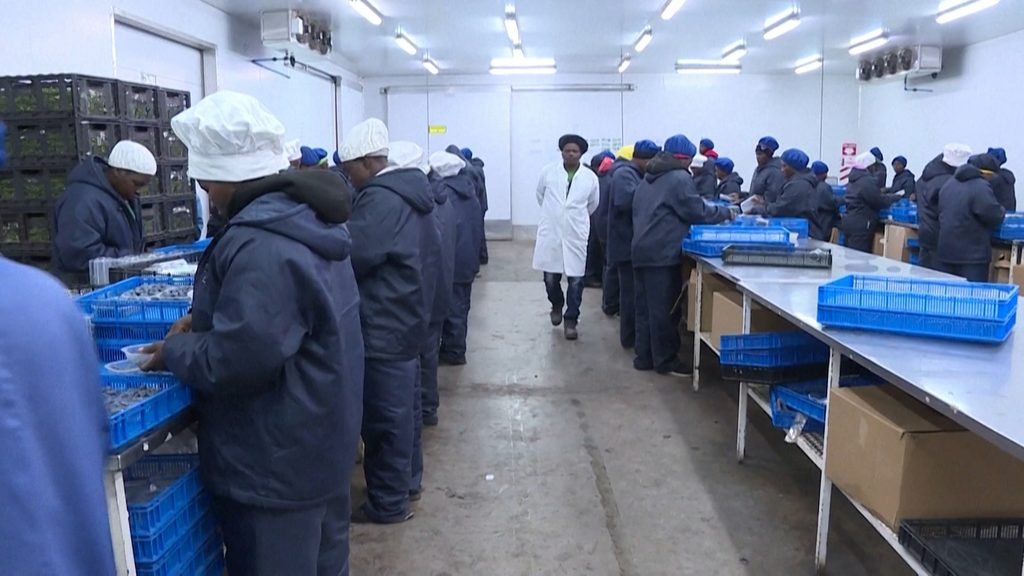
The opening of China’s market could also change who participates in the industry. Clarence Mwale, chairman of the Export Produce Growers Association of Zimbabwe, said the new market creates an opportunity for indigenous farmers to enter blueberry production, but warned that they would need cheaper, longer-term financing to do so. He said foreign investment, development finance and patient capital could help create a stronger platform for new growers.
Beyond China, Zimbabwean blueberries already reach markets in Europe, Britain, the Middle East and other parts of Asia. The industry is also exploring opportunities in India and other emerging markets, while growers are adopting newer blueberry varieties designed to improve yields, fruit quality, shelf life and production timing. Zimbabwe’s export season generally runs from April to October, giving growers opportunities to target international markets during periods when supply from some major producers is lower.
For Zimbabwe, the blueberry boom represents more than the expansion of a niche agricultural crop. The government is now including blueberries in a broader $1.65 billion agrifood investment portfolio being presented to international investors, with funding sought for irrigation, packhouses, cold chains, processing and other infrastructure. But whether the country can turn China’s growing appetite into sustained export growth will depend on its ability to solve the financing and infrastructure constraints facing farmers — allowing them to plant more, reach new markets and keep the fruit moving from Zimbabwean fields to consumers abroad.