
Compiled By, Malami Haruna Dogondaji
September 16, 2026
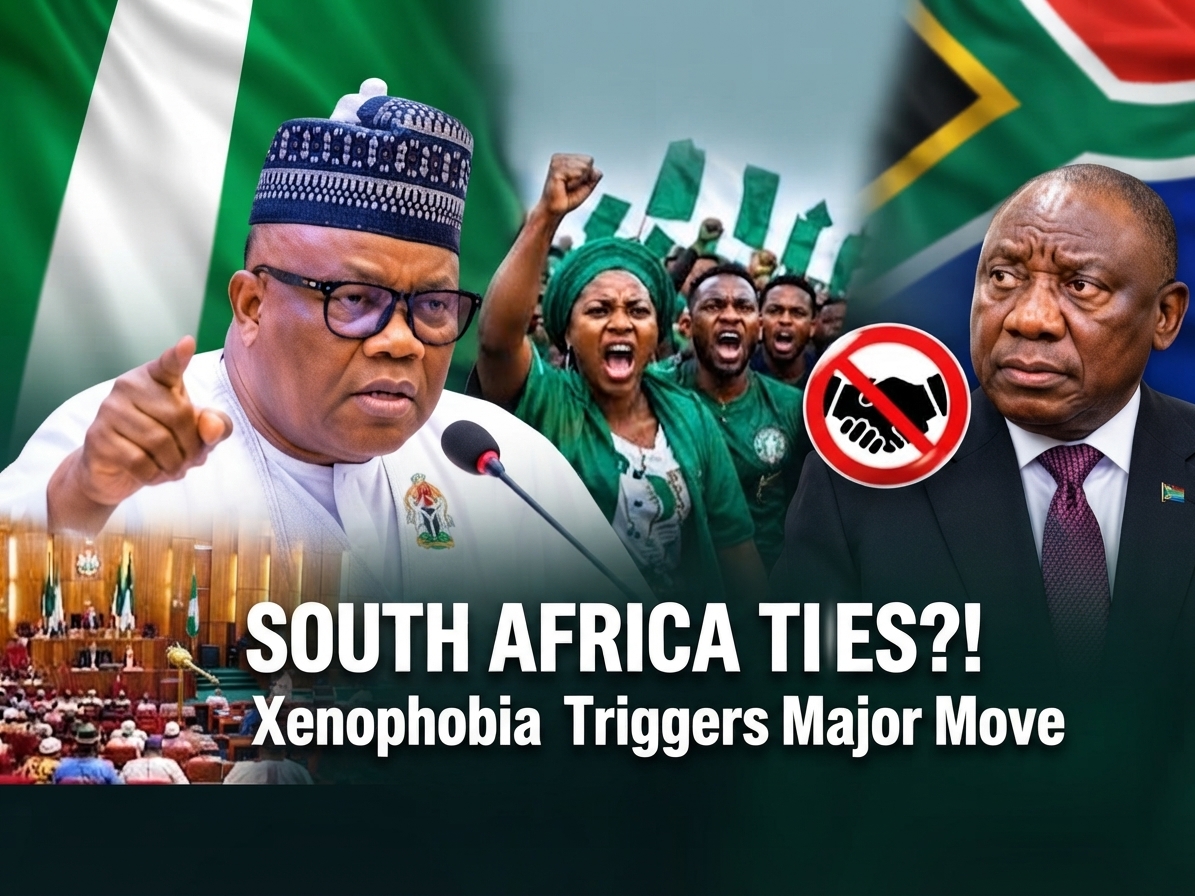
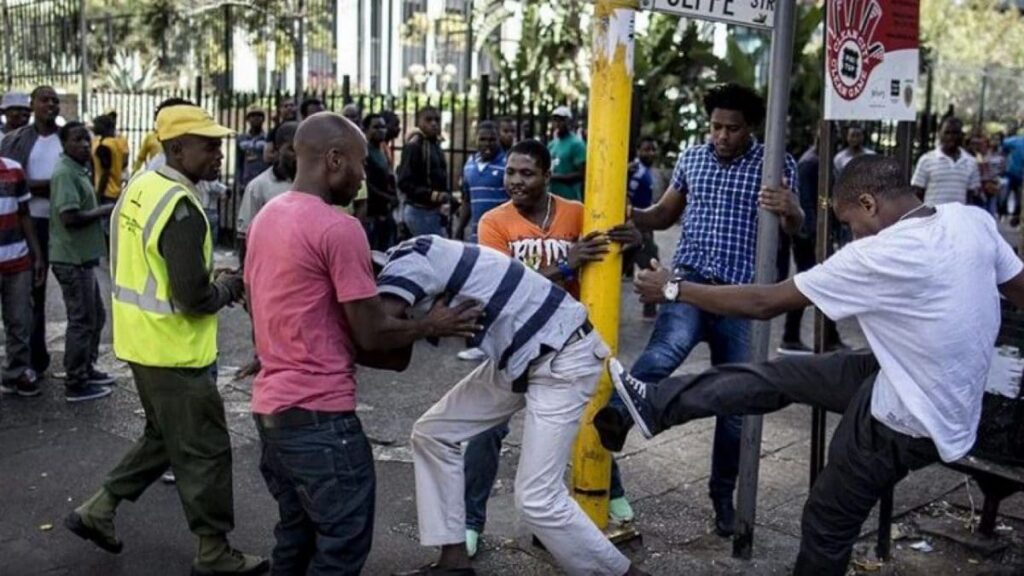
ABUJA, Sept 16 — Nigeria’s National Assembly has suspended all official visits to South Africa and ordered a boycott of South African–hosted legislative activities until further notice, citing persistent xenophobic violence against Nigerians and other African migrants.
The move, announced on September 11, 2026, is the latest escalation in a months‑long diplomatic row over deadly anti‑foreigner protests in South Africa that have forced tens of thousands to flee and strained Pretoria’s relations across the continent.
But as Abuja tightens parliamentary channels, the bigger question for many Nigerians is simpler: What exactly has been done so far, and what concrete actions do we truly expect now?
What has been done: the official response to date
1) Parliamentary boycott: a targeted legislative sanction
The National Assembly’s directive covers:
- All official travel to South Africa by lawmakers, committees, officials and staff.
- Boycott of all legislative activities hosted, organised, sponsored or co‑sponsored by South African parliamentary bodies.
- Both physical and virtual events, including conferences, seminars, workshops and exchange programmes.
The suspension is “until further notice” and subject to review by National Assembly leadership.
In diplomatic terms, this is a parliament‑to‑parliament sanction: it pauses legislative cooperation and signals that “soft” channels will not function normally while attacks continue.
2) Diplomatic pressure and public statements
Over recent weeks, Nigerian authorities have:
- Issued strong statements condemning xenophobic violence and demanding protection for Nigerians.
- Coordinated with other African governments that have also expressed alarm or recalled envoys during earlier flare‑ups.
- Used multilateral platforms to frame the issue as a continental security and dignity question, not just a bilateral dispute.
These steps matter politically, but for many citizens they feel reactive rather than protective.
3) Consular and security advisories
Nigerian missions in South Africa have:
- Advised Nigerians to avoid high‑risk areas and stay in contact with the embassy/consulate.
- Worked with local authorities and community leaders to evacuate or relocate Nigerians in immediate danger when possible.
- Published emergency contact lines and urged victims to report attacks.
Yet repeated episodes of violence have left a widespread impression that consular responses are too slow, under‑resourced, and largely damage‑limitation rather than prevention.
What Nigerians truly expect: five non‑negotiable demands
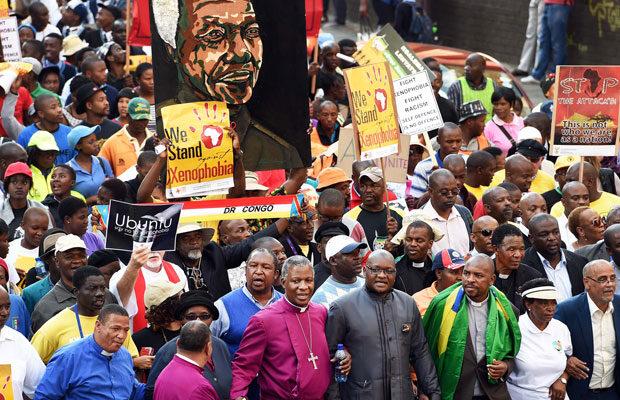
Across markets, campuses, churches, mosques and online forums, a consistent set of expectations is emerging. In town halls and radio call‑ins, citizens are asking for specific, time‑bound actions, not general condemnations.
1) A clear protection plan for Nigerians in South Africa
Nigerians want more than advisories. They expect:
- A dedicated crisis task force linking the Foreign Ministry, Defence, Immigration, and the Abuja High Commission in Pretoria, with a published protocol for rapid response when attacks erupt.
- Pre‑identified safe zones and shelters, coordinated with Nigerian community associations and South African authorities, plus transport arrangements for evacuation when needed.
- A 24/7 emergency hotline staffed by trained personnel, with real‑time updates via SMS, WhatsApp and social media.
The message from citizens is blunt: “If you tell us not to go, show us how you will protect those already there—or bring them home safely.”
2) Hard data, not headlines
Many Nigerians distrust both sensational media reports and vague official figures. They expect:
- Regular, verified updates on: number of Nigerians killed, injured, arrested, displaced; properties destroyed; businesses looted.
- A centralised incident register maintained by the High Commission, accessible to families and civil society.
- Clear differentiation between xenophobic attacks, criminal violence, and isolated incidents, with evidence.
Without trusted data, rumours fill the gap—and public anger grows.
3) Accountability and justice, not just condolences
For victims’ families and community leaders, condolences are not enough. They want:
- Public reporting on cases opened, suspects arrested, prosecutions launched, and convictions secured in attacks on Nigerians.
- Evidence that Abuja is pressing Pretoria to prioritise these cases and treat attacks on Africans as serious crimes, not “community tensions.”
- Support for legal aid to Nigerian victims pursuing justice in South African courts.
Citizens ask: “If our people are killed and nothing changes in court, what does any statement mean?”
4) Economic and mobility measures with teeth
Beyond parliamentary boycotts, many Nigerians expect visible costs for continued violence:
- Targeted visa restrictions or tighter entry rules for South African nationals linked to incitement or attacks, while avoiding blanket punishment of ordinary citizens.
- Review of bilateral trade and investment incentives where possible, especially for entities tied to areas or sectors where violence is concentrated.
- Clear criteria for lifting or tightening these measures based on measurable improvements in migrant safety.
The demand is not for rash retaliation, but for leverage that changes behaviour.
5) A long‑term strategy, not crisis‑mode politics
Perhaps the most consistent public demand is for a durable framework:
- A national migration and diaspora protection policy that defines how Nigeria will safeguard its citizens abroad, including funding, staffing, and legal tools.
- Stronger regional cooperation through ECOWAS, the African Union and the African Continental Free Trade Area structures to address xenophobia as a continental risk to integration.
- Investment in public communication that counters hate narratives, supports responsible media coverage, and empowers Nigerian communities with accurate information.
Nigerians are tired of ad‑hoc reactions. They want a plan that outlives any single incident or election cycle.
What the parliamentary ban does—and does not—achieve
The National Assembly’s suspension of ties with South Africa is significant, but limited (or moderate):
- It signals seriousness. By cutting legislative engagement, Abuja shows that even “soft” diplomacy has a price.
- It targets institutions, not people. The ban focuses on parliament‑to‑parliament activities, not general travel by Nigerian citizens.
- It does not, by itself, stop attacks. Without parallel security, consular and legal measures, the ban is largely symbolic for victims on the ground.
In other words: the boycott is a necessary political statement, but not a sufficient protection strategy.
The test ahead: from statements to outcomes
For Nigeria’s leadership, the coming weeks will be a test of credibility:
- Can Abuja move from condemnation to coordination, with a visible, operational crisis apparatus for Nigerians in South Africa?
- Will there be transparent reporting on incidents, responses and outcomes, so citizens can judge performance?
- Is there a clear set of triggers that will lead to tougher measures—or to the lifting of sanctions—based on concrete changes in migrant safety?
For ordinary Nigerians, the question is no longer abstract. It is personal: What will you do, specifically, to ensure my brother, sister, child or friend is not the next headline?
Until that question is answered with actions, not adjectives, the parliamentary ban will feel to many like a first step that risks becoming the last—unless it is followed by the hard, unglamorous work of protection, justice and long‑term strategy.