
Compiled By: Malami Haruna Dogondaji
02 NOVEMBER, 2026
Artificial Intelligence is entering Nigeria’s electoral process at a moment when public confidence in democratic institutions requires careful handling. The central concern is not that automated systems will independently decide electoral outcomes; rather, the threat lies in how unregulated technology could be deployed to confuse voters, manipulate information, compromise digital infrastructure, or cast doubt on legitimate results.
Cybersecurity expert Hanniel Jafaru has warned that growing AI integration without an enforceable regulatory framework could expose Nigerian elections to new forms of interference. His concern is well founded—but fear alone cannot protect democracy. Nigeria needs preparation, transparency, independent oversight and firm human control.

“Growing AI integration without an enforceable regulatory framework could expose Nigerian elections to new forms of interference.”
— Hanniel Jafaru, Cybersecurity Expert
What AI Means for Nigerian Elections
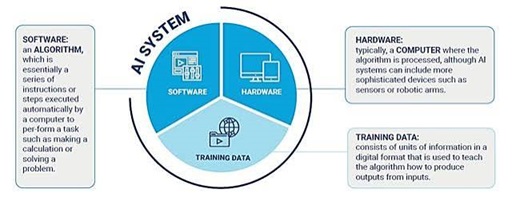
AI is not a single machine in INEC’s office deciding who wins an election. It is a collection of technologies that can analyse data, recognise patterns, automate processes, generate text, images, audio and video, and support human decisions.
INEC’s official Policy on Election Technology Acquisition and Deployment (PETAD), effective September 25, 2025, provides the framework for how election technology—including AI—should be acquired, deployed and governed. The policy requires AI systems to comply with national laws and international standards, including data-protection regulations, cybersecurity protocols and digital-governance requirements.
AI can support election logistics, voter information, accessibility, pattern analysis and the detection of registration anomalies. But the same tools can also produce convincing deepfakes, cloned voices, fake result sheets and coordinated disinformation campaigns.
Benefits and Vulnerabilities
INEC’s policy makes clear that AI should complement—not replace—human decision-making. It requires human-verification mechanisms to prevent automated errors from affecting electoral processes or outcomes.
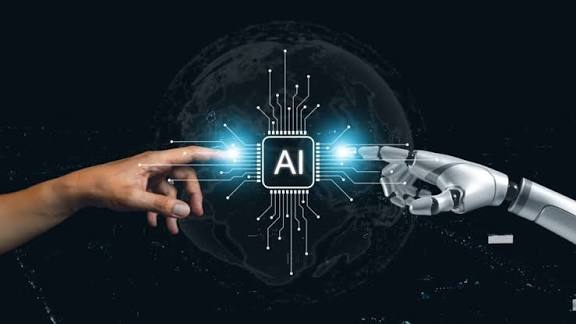
That safeguard is essential because AI is a double-edged technology. It can improve planning and security, but it can also be used to create false speeches, simulate crises or flood social media with misleading claims faster than fact-checkers can respond.
Electoral Risk Analysis
| Risk factor | Electoral impact | Severity |
|---|---|---|
| Deepfakes and cloned voices | Fake speeches, endorsements or “confessions” can mislead voters. | High |
| AI-generated fake results | Fabricated tallies can spread before official results are released. | High |
| Coordinated disinformation | Bots, paid influencers and targeted campaigns can distort public debate. | High |
| Cyberattacks on infrastructure | AI can assist phishing, network exploitation and denial-of-service attacks. | High |
| Biometric matching errors | Wrong identification could affect voter accreditation. | Serious |
| Result-extraction errors | Automated interpretation of result sheets could introduce inaccuracies. | Serious |
| Algorithmic bias | Poorly designed systems may disadvantage particular voters or groups. | Serious |
| The “liar’s dividend” | Genuine evidence may be dismissed as fake because deepfakes exist. | High |
| Digital exclusion | Voters without digital access may be left behind. | Serious |
| Vendor dependence | Overreliance on contractors may weaken control over data and accountability. | Serious |
What INEC’s Policy Actually Says
INEC’s official policy does not leave AI to operate unchecked. PETAD requires traceable logging, role-based access controls, audit trails, secure authentication, encryption and access controls across election-technology systems.
It also requires periodic review and auditing of AI models to eliminate bias against voting groups or electoral stakeholders. In addition, the policy states that AI must support human decision-making and that human-verification mechanisms must be embedded to prevent automated errors from influencing electoral processes.
This is an important distinction: INEC has not said AI will run elections. Its official position is that AI should assist trained officials, while humans retain responsibility for decisions that affect voters and results.
Why Experts Remain Concerned
The concern is not that INEC has no policy. It is that policy must be implemented visibly, independently tested and enforced before the 2027 elections.
INEC’s official website publishes PETAD and has also addressed allegations involving AI-generated photographs in the preliminary register of voters—evidence that AI-related electoral risks are no longer theoretical. Experts therefore argue that Nigeria needs public audits, stress tests, clear incident-response plans and transparent communication before election day.
Jafaru’s warning should be read as expert analysis, not as an official INEC position. The distinction matters: INEC sets and implements electoral policy, while independent cybersecurity experts help identify risks that must be addressed.
The Questions Nigeria Must Answer
- Will INEC publish a detailed, public AI-governance implementation plan before the 2027 general election?
- Will every AI-generated flag or anomaly be reviewed by a named, accountable human official?
- Will political parties commit to labelling AI-generated campaign content and rejecting deepfakes?
- Will digital platforms label synthetic political content and moderate misinformation in Nigerian languages?
- Will journalists, fact-checkers and civil-society groups receive digital-forensics training before the election season peaks?
- Will independent experts be allowed to assess system readiness without compromising security?
- What happens when AI detects a possible duplicate registration, unusual result pattern or suspicious online campaign?
What Voters Can Do
- Verify election news through INEC’s official website and verified channels before sharing it.
- Pause before forwarding dramatic videos, voice notes or result sheets; check the original source, date and location.
- Follow credible newsrooms and fact-checking organizations for confirmation.
- Report impersonation, fake candidate pages and manipulated content to the relevant platforms.
- Engage peacefully and insist on due process rather than spreading unverified claims.
The Bottom Line
Nigerians should not be paralyzed by fear of AI. They should be prepared to demand that AI in elections is transparent, secure, independently audited and always subject to human authority.
INEC’s policy provides a foundation. The next test is implementation: whether Nigerians can see the safeguards working before votes are cast, not after doubts have already spread.
Call to Action
Nigeria does not need citizens who are afraid of AI. It needs citizens who verify before sharing, ask hard questions and demand accountability from INEC, political parties, technology companies and the media.
Before the next viral election video changes your mind, ask the most important question of this digital age:
If AI can create a convincing lie in seconds, can you afford not to verify the truth before you share it?