
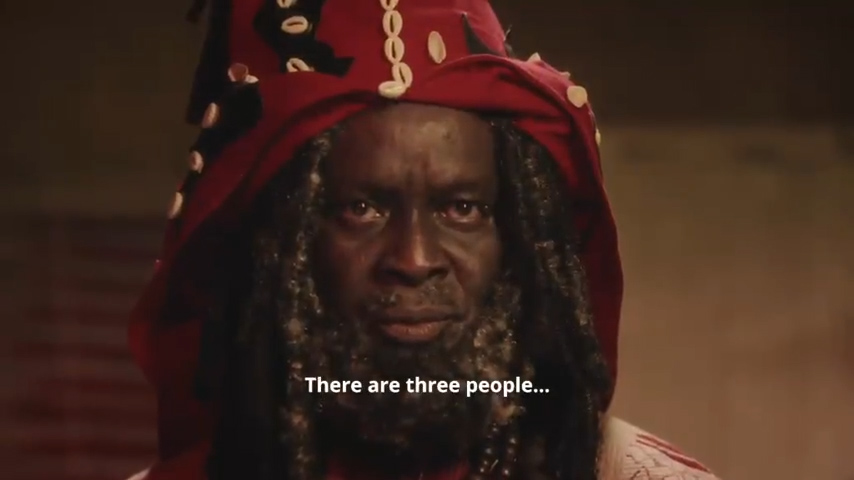
More than three decades after the original became a defining title in Nigerian Christian cinema, Agbara Nla: The Return is bringing the story back to cinemas with a new generation behind the camera and a modern cinematic treatment.
For many millennials who grew up watching Nigerian television in the 1990s, Agbara Nla was the kind of film that could leave the television screen long after the credits rolled. Its gripping scenes of spiritual warfare, terrifying characters and moments of darkness became childhood memories that many viewers have never quite forgotten.
Now, 33 years later, the legendary faith-based production is returning to the big screen as Agbara Nla: The Return, raising a nostalgic question: can the new film recreate the magic—and perhaps the fear—that made the original so unforgettable?
The official trailer has been released, with the new film scheduled for a nationwide cinema release on October 1, 2026. Co-created and directed by Damilola Mike-Bamiloye and Joshua “Jay_Mikee” Mike-Bamiloye, the film revisits the spiritual conflict surrounding the village of Abule Muwonleru, where darkness begins to stir once again.
But while the return offers an opportunity to reconnect with audiences who remember the original, it also raises a natural question: Can a new cinematic version recreate the magic of a story that became so deeply embedded in the memories of its first audience?
The Blueprint: What Made the Original Stand Out?
To understand the expectations surrounding Agbara Nla: The Return, it is important to look back at the influence of the original.
Written by Evangelist Mike Bamiloye, the 1993 production arrived at a time when television remained one of the most powerful forms of entertainment in Nigerian homes. Its story of spiritual conflict, faith and the battle between good and evil resonated strongly with Christian audiences.
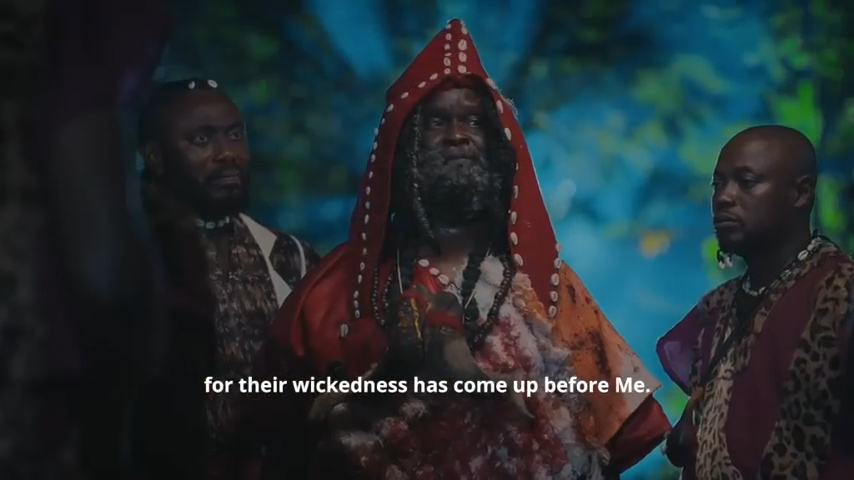
Characters such as Isawuru and Ayamatanga became particularly memorable, with their appearances and distinctive portrayals leaving lasting impressions on viewers who watched the series as children.
The production was later translated into English as The Ultimate Power in 1994, extending its reach beyond its original Yoruba-speaking audience.
For Mount Zion, the production also became part of a wider tradition of using film and drama as a vehicle for Christian evangelism. Its success helped establish the ministry as one of the most recognisable names in Nigerian faith-based filmmaking.
Passing the Torch to a New Generation
One of the most significant differences between the original and the new production is the generation leading its return.
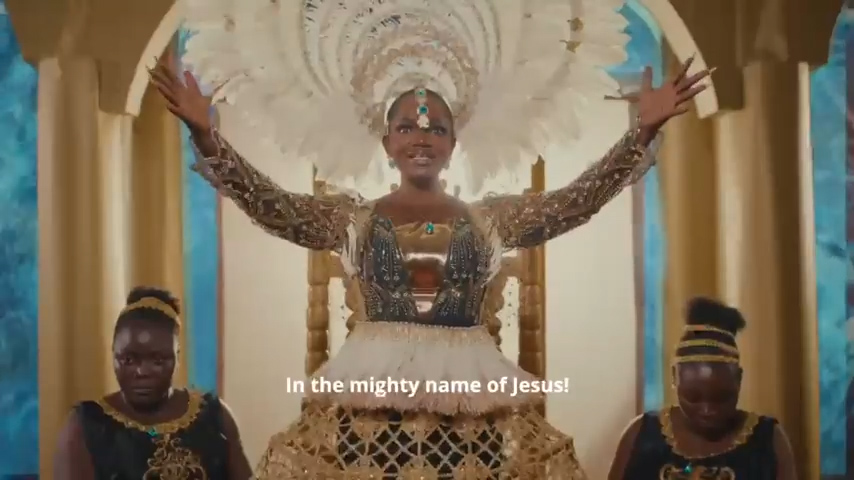
While veterans including Mike and Gloria Bamiloye are involved in the project, the new film is being driven creatively by the next generation of the Bamiloye family. Damilola Mike-Bamiloye and Joshua “Jay_Mikee” Mike-Bamiloye bring a contemporary filmmaking perspective to a story that was created more than three decades ago.
That generational transition could be crucial to the film’s appeal. While older audiences may arrive with memories of the original, younger viewers will encounter Agbara Nla for the first time through a modern cinematic experience.
The challenge is therefore not simply to reproduce what came before, but to determine how much of the original needs to remain unchanged and how much can be reimagined for today’s audience.
From Television Screens to the Cinema
The biggest transformation may be the platform itself.
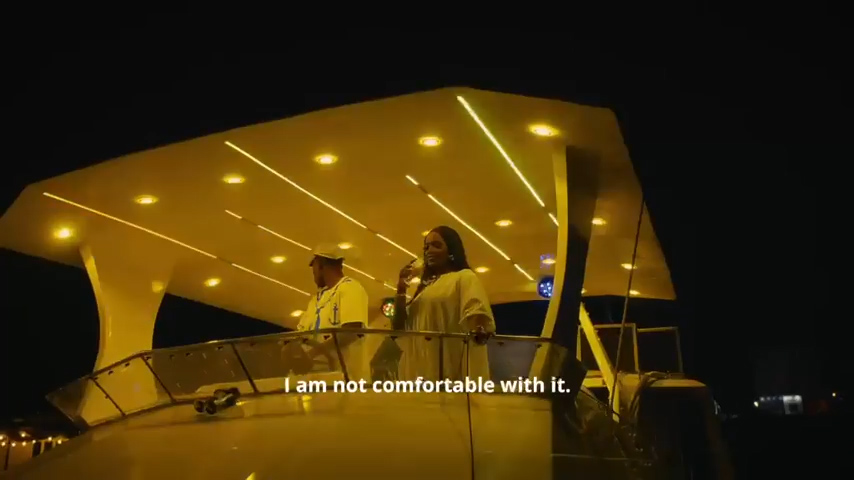
The original Agbara Nla belonged to an era of television broadcasts and home video, when audiences gathered around television sets to follow their favourite programmes. Agbara Nla: The Return, by contrast, is being positioned as a theatrical production, placing it within Nigeria’s contemporary cinema landscape.
That shift comes with significantly different expectations. Today’s audiences are accustomed to sophisticated cinematography, sound design, visual effects and large-scale productions, meaning nostalgia alone may not be enough to carry the film.
The production has also brought together contemporary filmmaking partners, including Sozo Films, Circuits and producer Chris Odeh, as part of efforts to give the story a modern visual treatment.
Can the New Film Preserve the Original Spirit?
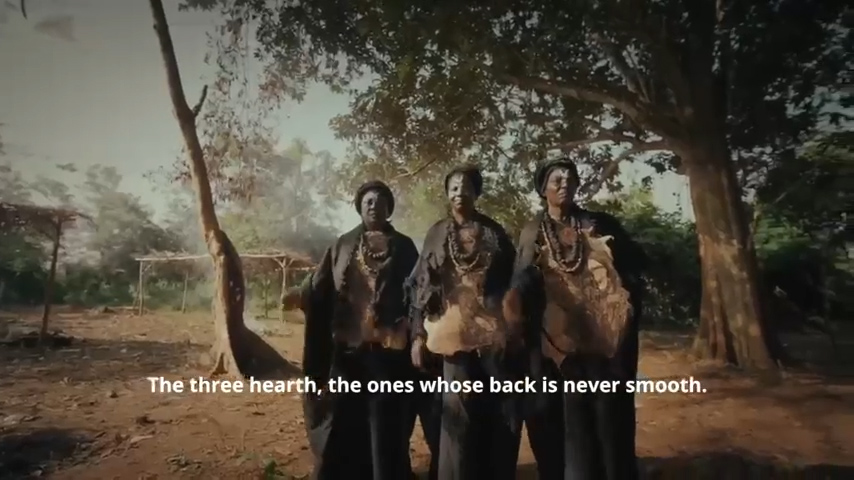
For all the technical changes, the filmmakers appear determined to retain the central message that defined the original.
The story continues to explore spiritual warfare and the conflict between light and darkness, while the production remains rooted in the Christian values associated with Mount Zion Faith Ministries.
This balance could ultimately determine how audiences receive the film. A production that changes too little risks feeling dated, while one that changes too much could disappoint viewers who expect the atmosphere and message that made the original memorable.
For audiences who grew up watching Agbara Nla, the cinema return will therefore be more than another film release. It will be an opportunity to revisit a familiar story through a completely different medium.
Nostalgia Meets a New Audience
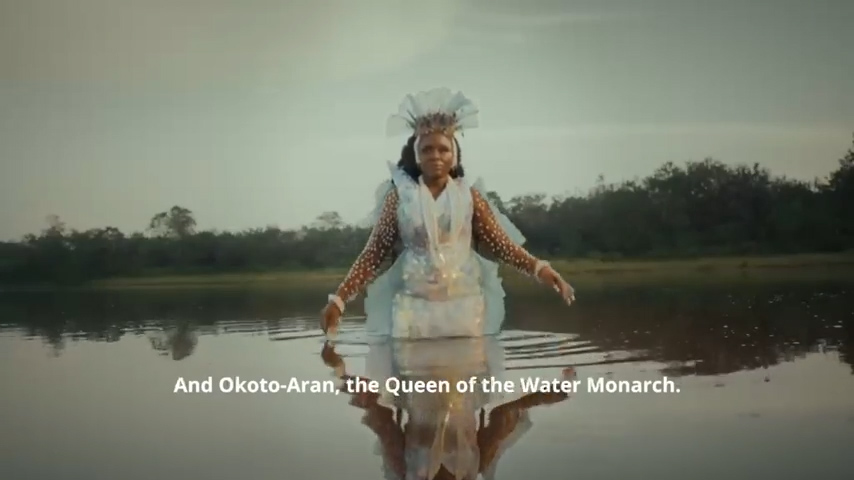
The response to the return has already generated conversation online, particularly among viewers who remember the original. At the same time, the new production enters a very different cultural and filmmaking environment, where audiences are exposed to a wider range of Nigerian and international cinema.
That creates an interesting test for Agbara Nla: The Return: can it satisfy the generation that remembers the original while also convincing younger audiences who have no personal connection to the 1993 production?
For now, the trailer offers only a glimpse of what is to come. The production may have the legacy, the familiar name and the nostalgia working in its favour, but whether it can recreate the emotional and cultural impact of the original remains a question for the audience.
Thirty-three years later, Agbara Nla has another chance to make history. The question is whether today’s cinema audience will experience the same magic.