

There appears to be a pandemic of celebrity death rumours spreading across social media, with famous names repeatedly being declared dead online only for the supposed victims, their families or colleagues to later confirm that they are alive.
The latest case is Nollywood actress and filmmaker Ruth Kadiri, who was forced to address a death rumour circulating about her on Sunday.
Kadiri took to Instagram to assure her followers that she was alive, safe and had not been involved in any accident. She also said several accounts had been created to circulate the false reports and urged users to report the pages rather than amplify the claims.
Her experience is hardly an isolated one.
1. Olu Jacobs
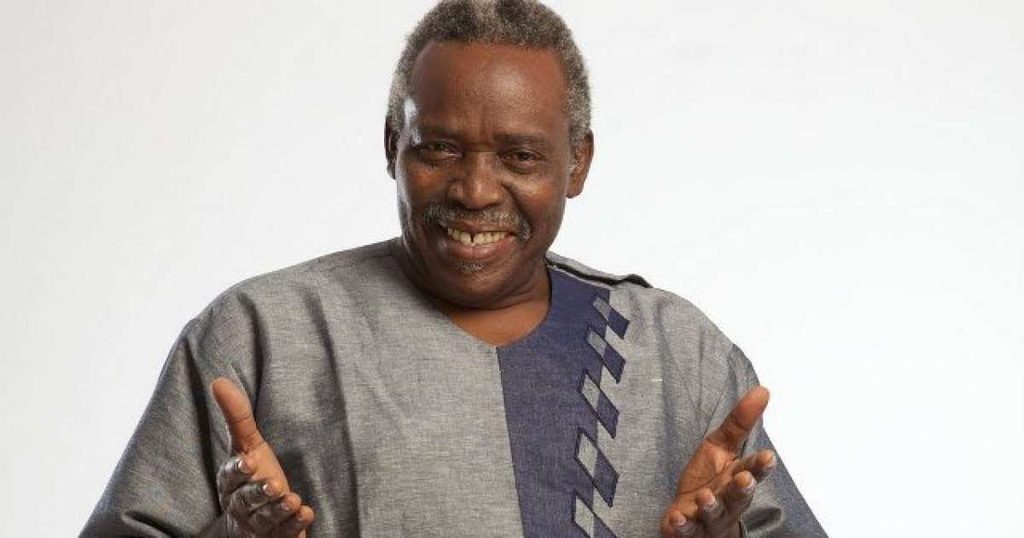
Veteran actor Olu Jacobs has been the target of death rumours on several occasions.
In June 2024, another claim that the veteran actor had died circulated online. His family rejected the report, with columnist Betty Irabor also confirming that Jacobs was alive.
The rumour was not new. Similar claims had circulated in 2021 and 2022, prompting his wife, actress Joke Silva, to publicly dismiss them.
In one 2021 incident, Jacobs himself appeared in a video to counter the claim, while his family repeatedly urged the public to disregard the reports.
The repeated targeting of Jacobs demonstrates another feature of celebrity death rumours: once a false story gains traction, it can return months or even years later.
2. Pete Edochie
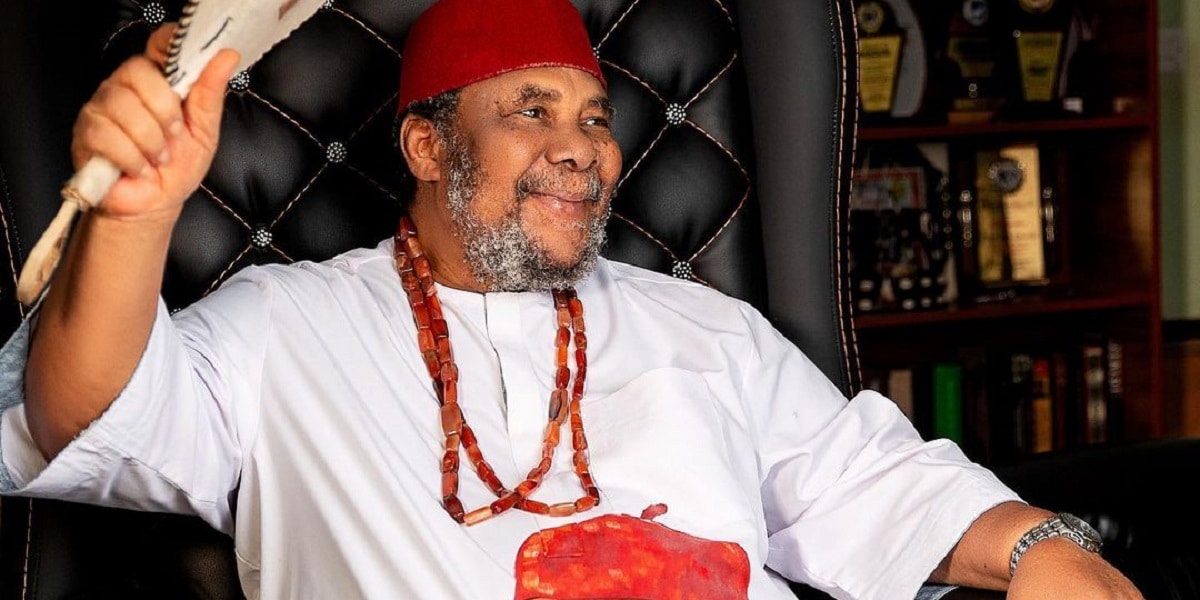
In February 2026, another Nollywood veteran, Pete Edochie, became the subject of a viral death rumour.
The report spread across social media before his son, actor Yul Edochie, publicly dismissed it.
Yul shared a photograph of his father and assured the public that the veteran actor was alive, while expressing confidence that he would live beyond 100 years.
The incident showed how quickly an unverified claim involving a highly recognisable celebrity can attract attention before any credible confirmation emerges.
3. Funke Akindele

The case involving Funke Akindele in August 2026 took a slightly different form.
A viral post claimed that the director of her upcoming film, The Four: No One Fights Alone, had died in a road accident. The post used an old video of Akindele crying during an Instagram Live session and presented it as her reaction to the supposed death.
Akindele rejected the claim and accused the person behind the post of seeking engagement.
The incident is significant because it shows how old celebrity content can be repackaged and attached to a fabricated event to make a false story appear credible.
4. Ebenezer Obey

Veteran musician Ebenezer Obey has also had to deal with repeated death hoaxes.
In April 2025, the 83-year-old musician released a video on Instagram dismissing reports that he had died.
The singer appeared in the video himself, using music to reject the claims and assure the public that he was alive and in good health.
It was not the first time Obey had been targeted. He had previously debunked a similar death rumour in 2020.
5. Faithia Balogun
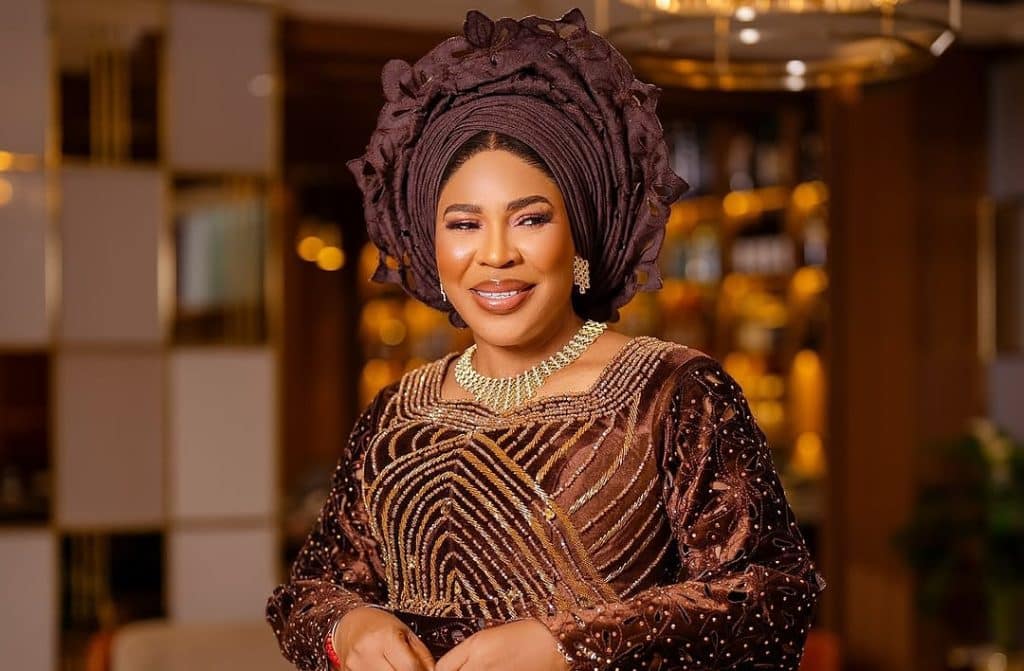
In July 2026, Nollywood actress and filmmaker Faithia Balogun became the subject of a viral death rumour on TikTok.
Reports claiming that the actress had died spread across the platform, prompting her management to issue a statement confirming that she was alive and in good health.
Her management described the reports as false and defamatory and announced plans to pursue legal action against those responsible for circulating the claims.
Publicity Stunt?
The repeated nature of these incidents raises a difficult question: Are celebrity death rumours simply the work of people seeking clicks and engagement, or could some of them be deliberate publicity strategies?
There are reasons to consider both possibilities.
One possibility is that some rumours are deliberately manufactured as a publicity stunt.
Celebrity publicity increasingly depends on visibility. A false report can generate thousands of comments, reposts, searches and news stories within a short period.
For a celebrity whose public profile has fallen, such an incident could temporarily push their name back into public conversation.
The controversy can also create renewed interest in their movies, music, businesses or upcoming projects.
In an attention-driven digital environment, even negative publicity can generate visibility. The possibility therefore remains a question rather than an established fact.
Digital Manipulation?
The other explanation is more straightforward: third parties are creating false stories because celebrity names generate engagement.
Kadiri’s latest experience provides a striking example. She said several accounts had been created to circulate the same false claim about her death.
The Funke Akindele incident also demonstrated how existing material can be manipulated. An old video was presented as though it showed the filmmaker reacting to a recent death, giving the fabricated story an appearance of authenticity.
For people running anonymous social-media pages, a celebrity death story can be an easy way to attract attention.
The motivation may range from followers and engagement to advertising revenue, page growth, political influence or, in some cases, attempts to direct users towards fraudulent websites and accounts.
The problem is that social media rewards speed.
A person who sees a sensational headline may share it before checking whether the celebrity, family, representative or a credible news organisation has confirmed it.
By the time the claim is disproved, thousands of people may already have seen it.
For now, there is no evidence that any of the celebrities discussed deliberately engineered their own death rumours. But the frequency with which such claims emerge, the speed at which they spread and the attention they generate make the question difficult to ignore.
Whether they are calculated publicity stunts or the work of anonymous actors exploiting the economics of social media, one thing is clear: in the digital age, declaring a celebrity dead can be an extraordinarily effective way of getting people to pay attention.
The real challenge is determining who is behind the claim and who stands to gain from the moment the internet believes it.