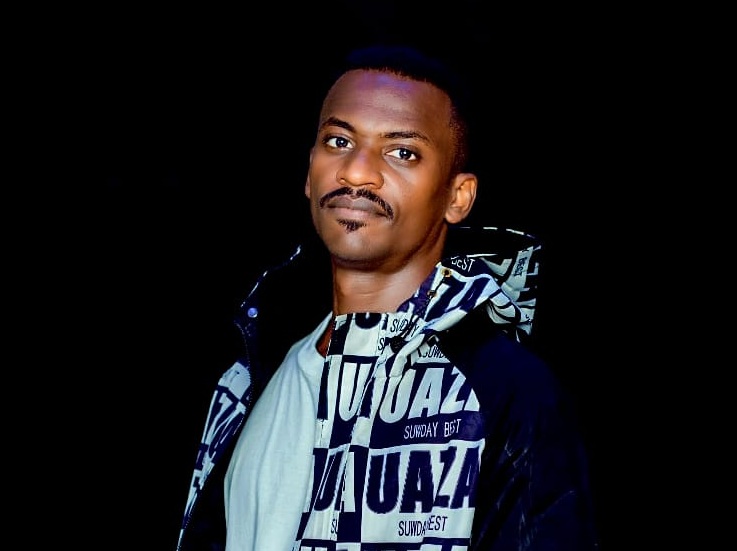

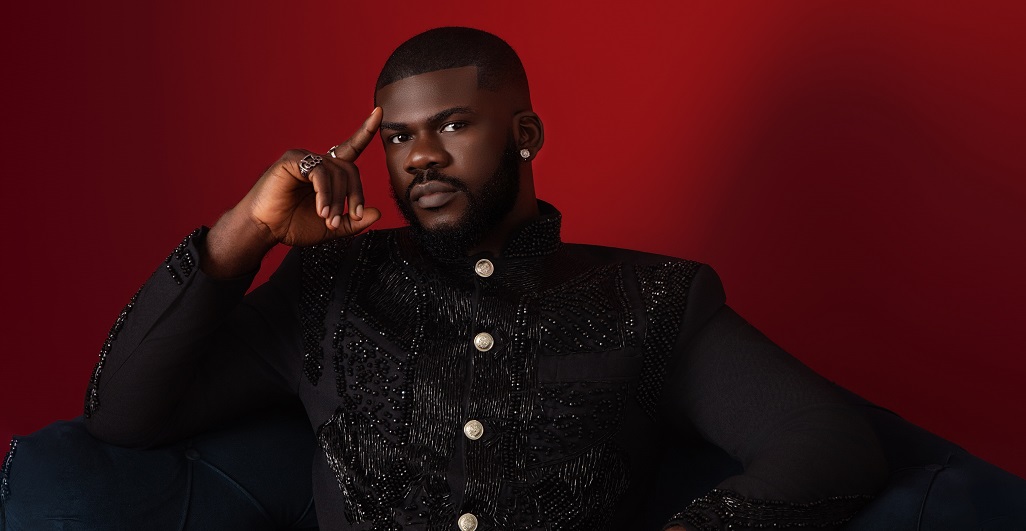
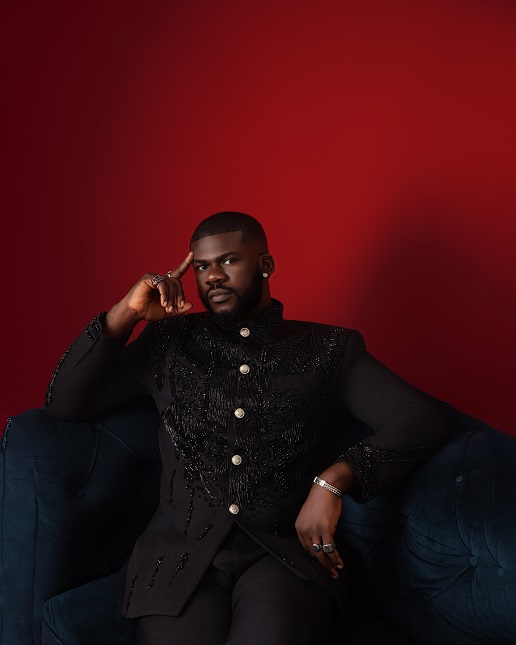
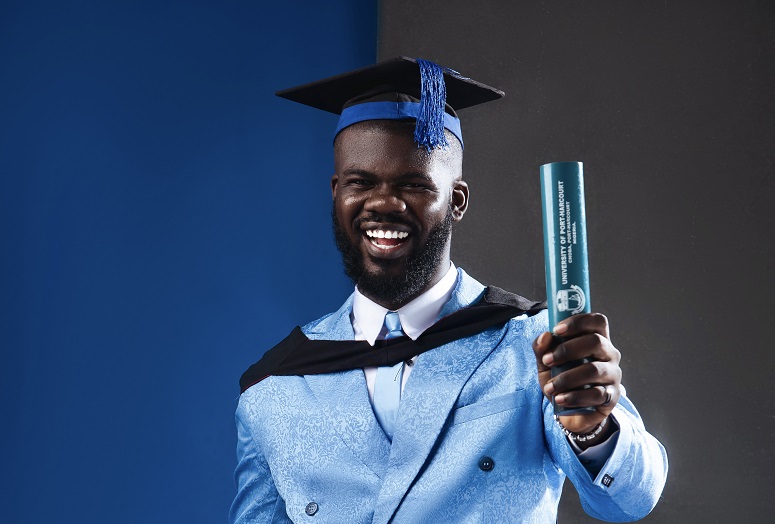
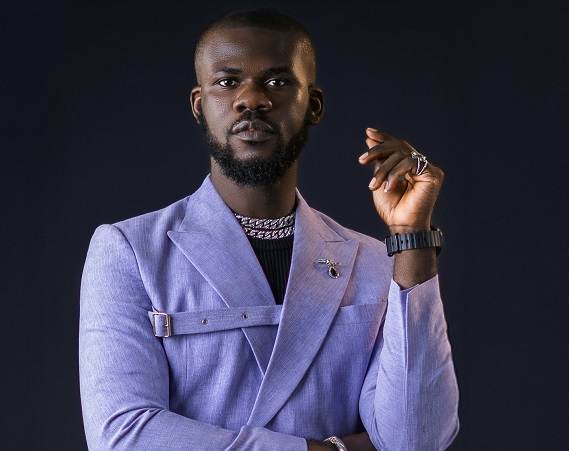
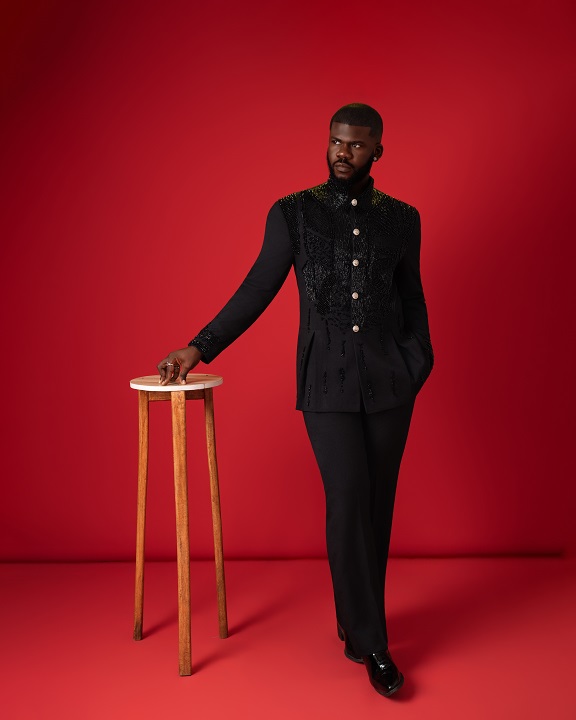
With the social handle @Kingsley_om across all platforms, Chibuike Kingsley Omeokwe has built a growing audience through humorous content that promotes creativity and positive values. The first-class English Studies graduate of the University of Port Harcourt and indigene of Ideato South Local Government Area of Imo State shares his journey as a digital content creator, reflecting on his experiences, challenges and growth in the evolving world of digital storytelling.
What inspired you to start creating content, and what was the first moment you realised this could become more than a hobby?
Growing up, I always felt torn between education and entertainment. After university, with the economy tough, I knew I couldn’t let a talent sit unused, so I got intentional about content creation.
From the start, I never treated it as a hobby — my intention was always for it to become a career. Within about three months I had a couple of viral videos, and that was the moment I knew this was
real.
What challenges did you face when you were starting out?
The biggest challenge wasn’t equipment — I’d already planned for lights, a good phone and a shooting space. It was perception. Three or four years ago, content creation wasn’t seen as a
respectable career, and having just graduated with a first-class degree, there was an expectation I’d do something more conventional. So early on I created quietly, making sure my brothers
weren’t even around, until I had something tangible to show. That changed quickly once the content started performing.
How did you discover your own style and identity as a creator?
It was gradual. I started with relatable Nigerian family content and did well with it, but eventually asked myself, “Does this really define me?” I wanted people to see a video and instantly think, “This is Kingsley.” The turning point was when I got brave enough to bring in abstract concepts —treating everyday objects and experiences as if they were serious human problems.
The “support group” concept, with recurring lines like “it is not your fault,” “let it out” and “cry,” was one of the first to really take off. That period shaped my identity: taking ordinary stories and presenting them in extraordinary ways. When people comment “How does your brain work?” — that’s how I know I’ve found my voice.
Where do you draw inspiration from?
Everything — everyday experiences at home, Nigerian culture, social issues, personal stories, even things a friend mentions in passing. A friend once tried to eat healthy, gave up all his favourite foods, then started missing bread and wanted to go back. I turned that into a story about the struggle between healthy living and an old love for bread — it hit close to 15 million views across platforms.
Inspiration is everywhere; the skill is asking, “How can I tell this ordinary thing differently?”
Was there a breakthrough moment that changed your career’s trajectory?
Not one single video, but one period. The “support group for containers” concept — containers talking about what they were made for versus what Nigerians actually use them for (an ice cream
tub now holding egusi, a cookie-butter jar now holding needles and thread) — sparked a huge burst of growth.
I followed it with the “disorder” series, fictional disorders built around ordinary Nigerian behaviours, featuring a character named Margaret Sasha. Almost every video from that period crossed a million views. In about a month I gained roughly 60,000 Instagram followers and
30,000 on Facebook, while TikTok approached the million mark. That period proved my style could resonate at scale.
What do you think people connect with most in your content?
The combination of creativity, abstractness and relatability. The situations are instantly familiar —something that’s happened to you, or in your home — but I move them into another domain
entirely and turn them into imaginative, artistic work.
My background as a first-class English graduate shows up here; I’m always thinking about language and how to make a familiar story feel
unfamiliar. Add my personality, delivery and characters on top, and people get something that’s relatable but unexpected — familiar, but abstract.
How important is it to preserve Nigerian culture while creating for a global audience?
Extremely important. I indigenise and localise my work rather than forcing an international accent— sometimes I lean into different Nigerian accents and local expressions on purpose, and I’m
deliberate about settings, place names and cultural detail. The content still lands with audiences in America or India, but the identity stays Nigerian. Going global shouldn’t mean becoming foreign; I
want Nigerians to recognise themselves in the work while outsiders still get the humour and emotion.
What has content creation taught you about yourself?
How creative and determined I can be. My first-class degree already taught me that discipline and smart work pay off, and content creation reinforced it. It’s also built my confidence — from being
just another person to being recognised publicly — but taught me the difference between confidence and pride. The lesson: dedicate yourself fully to something, and you’ll surprise yourself with how far you can go.
Where do you see opportunities for young creatives in Nigeria’s creator economy today?
There’s real room if you have genuine value to offer, but the industry is increasingly saturated and monetisation is still a major issue — platforms don’t pay Nigerian creators the way they pay
creators elsewhere, and the economy affects what brands can offer too. Despite that, the opportunity is enormous. The key question isn’t “how do I go viral” — it’s “what do I actually have
to offer?” Do you entertain, educate, influence, tell stories, inform, or create art? Content creation is about the value behind what you make, not just the act of making it.
How do you handle criticism and the pressure of public visibility?
I don’t give it much attention. If I have 10,000 comments and the overwhelming majority are positive, there’s no reason to fixate on the handful that aren’t. Anyone doing anything publicly will draw criticism — that’s inevitable. I focus on the people who genuinely appreciate the work, and on the reason I started in the first place.
What goals do you hope to achieve beyond social media?
I’ve always loved directing, so becoming a film director with my own production company is a major goal. I also want to establish a school — I love entertainment, but I’m an educator at heart, and I want to create and teach beyond my personal pages. I’m also very competitive, so I’d love to eventually create and compete at an even bigger level. Social media is a huge part of my journey, but not the final destination.
What impact do you hope your work leaves on the next generation of creators?
That comedy can be intelligent. It doesn’t have to rely on people running around or exaggerating just to get a laugh — it can be creatively sophisticated and still make people laugh until they can’t
breathe. I want to show there’s room for abstract comedy, storytelling and artistic expression, and if someone looks at my work and thinks, “I can tell stories differently and still entertain people,” I’ve
already made an impact.
Years from now, what do you hope people remember about Chibuike Kingsley Omeokwe?
The first-class graduate who became known for content that was abstract, creative and dramatic— the guy who could take the most ordinary situation and turn it into something extraordinary. I’m
dramatic; my content is dramatic, and that’s part of my identity. But beyond the drama, I want to be remembered for the creativity — the person whose work made people ask, “How does his brain
work?” I want people to say Kingsley saw ordinary things differently, turned them into extraordinary stories, and showed that comedy could be creative, intelligent, Nigerian and global at the same time