
Compiled By, Malami Haruna Dogon daji
MINNA, Nigeria — They were arrested on suspicion of digging for gold in the hills of Niger State. By the time the sun rose on September 17, 37 of them were dead, their bodies found inside a cramped Nigeria Security and Civil Defence Corps (NSCDC) cell in Minna. What happened in the hours between their arrest and their deaths remains the subject of a fierce, unresolved battle over truth, accountability, and the lives of some of Nigeria’s most vulnerable workers.

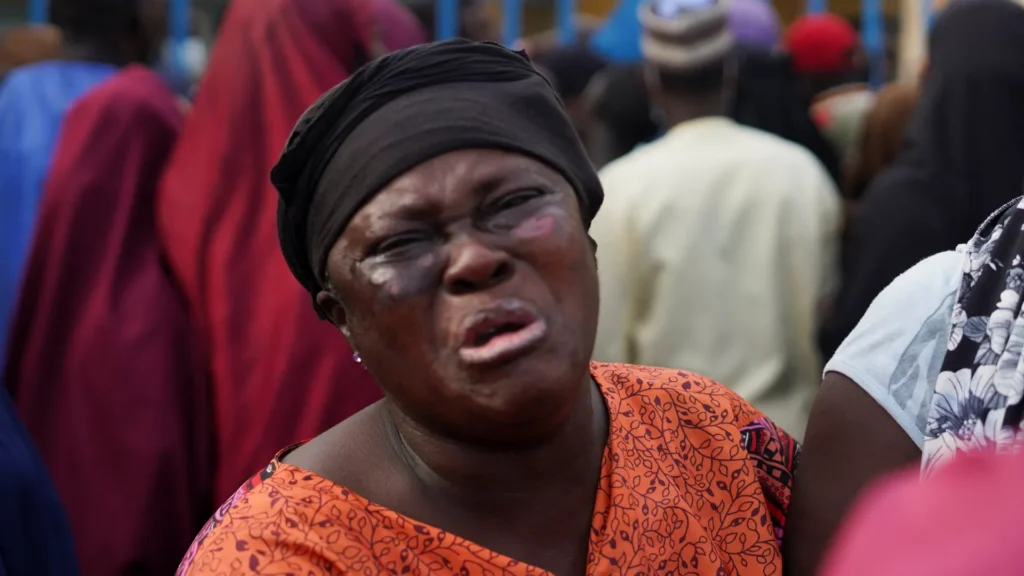
The deaths have triggered protests, a curfew, the suspension of 24 security personnel, and multiple investigations ordered at the highest levels of government – by President Bola Ahmed Tinubu. But for the families of the deceased (many of whom were teenagers) the central question is painfully simple: How did 37 people die while in state custody, and who will answer for it?
What We Know
The detainees were among 67 people arrested during NSCDC enforcement operations in the M.I. Wushishi Housing Estate and Lukoto areas of Niger State on September 15 and 16, 2026. Governor Mohammed Umaru Bago confirmed that 67 artisanal and suspected illegal miners were held at an NSCDC facility in Minna before 37 of them were found dead in the early hours of September 17.

The NSCDC initially attributed the deaths to a suspected disease outbreak, but quickly clarified that the actual cause had not been established and that medical and laboratory examinations would be required. State and federal authorities of Nigeria have confirmed the death toll stands at 37—not 38, as some early reports suggested and that some of those detained were teenagers.
The victims should be described as suspected illegal miners or people detained on suspicion of illegal mining. Their legal status had not been determined by a Nigerian court of law.
The deaths sparked protests in Minna, where authorities imposed an overnight curfew. Police used tear gas and, according to reports, security forces opened fire as demonstrators gathered. The governor said protesters vandalised government property, a bank, political party offices, and private businesses.
Competing Accounts: What Killed Them?
The cause of death remains fiercely contested, with official accounts, preliminary intelligence (not legally biding anyone individual or authority), and ”survivor testimony” pointing in different directions.
The NSCDC’s initial position: The agency said the detainees appeared to have died following a suspected disease outbreak and stressed that medical examination was necessary before the cause could be established.
Preliminary intelligence and the governor’s account: An intelligence report seen by AFP suggested the 37 died as a result of overcrowding and poor ventilation in the detention facility. Governor Bago has publicly said that possible suffocation from overcrowding and exposure to hazardous substances (possibly inhaled on the mining field) were among the factors being investigated. He also disclosed disturbing signs on the bodies, including skin peeling, foam coming from their mouths, and blood around their noses, mouths, and ears—signs he said suggested possible exposure to chemicals or highly poisonous substances.
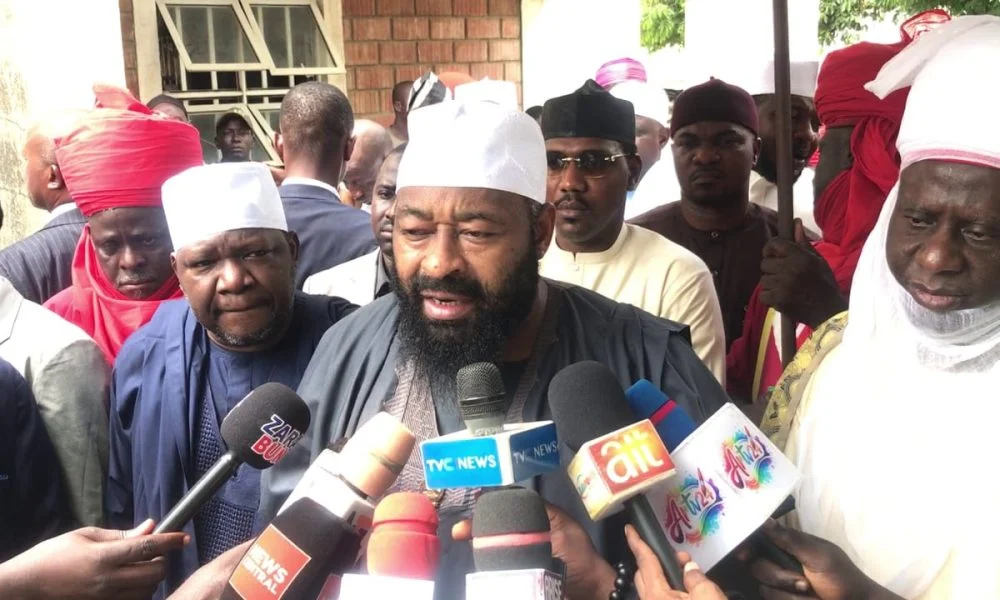
“It could be as a result of suffocation because there were so many in a cell. The second issue could be because of exposure to maybe lead poisoning or other very hazardous chemicals that are used to do the illegal mining.” – Governor Bago, Niger state Nigeria
Survivor testimony: Survivors recounted panic inside the cell, saying they were “jam-packed” with no ventilation. One survivor, Dauda Shehu, told journalists: “We were screaming for help… people are dying one after the other, they did not believe us”. Another survivor alleged that a substance was sprayed inside the cell shortly before some detainees began collapsing—a claim Governor Bago said “cannot be ruled out” pending the outcome of investigations.
The editorial position is clear: The cause of death is unresolved. A responsible report should not state that the detainees were suffocated, poisoned, killed, or died from disease as an established fact.
The Official Response
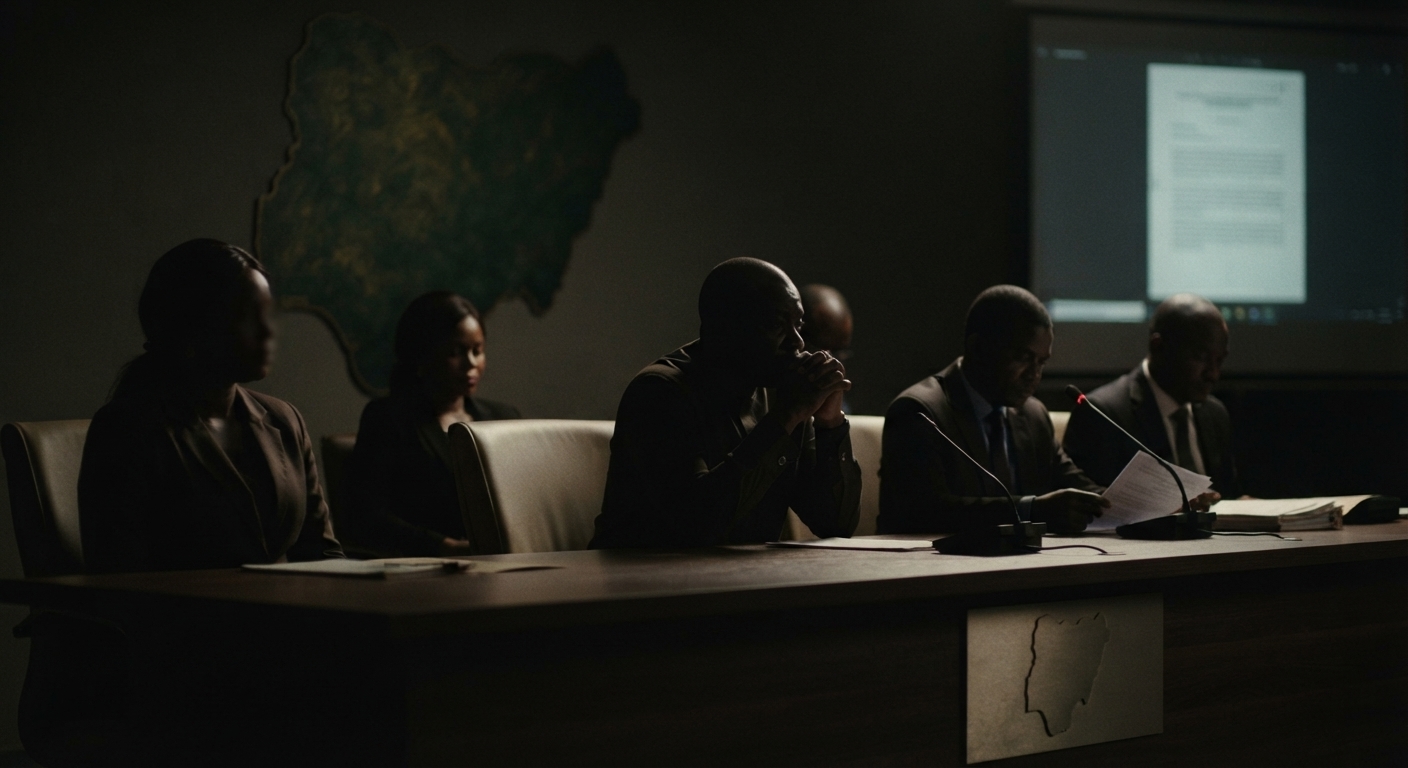
President Bola Tinubu ordered a full investigation and prosecution of officials found responsible. The Interior Ministry announced a 10-member independent panel, chaired by retired Deputy Director-General of the Department of State Services Jonathan Kure, with a two-week mandate to investigate.

The panel’s terms of reference include establishing the identities of the deceased, examining the circumstances of their arrests and detention, determining the medical and forensic cause of death, and investigating possible responsibility, complicity, negligence, or misconduct. The minister warned that:

“any attempt to destroy or conceal evidence, intimidate witnesses or obstruct the investigation will be treated as a serious offence”. – Hon. Olubunmi Tunji Ojo
Twenty NSCDC officers and guards connected with the arrests and detention were initially suspended. That number has since risen to 24, with the Niger State Commandant, Suberu Siyaka Aniviye, among those paraded at the Corps’ national headquarters in Abuja.
Note:Suspension is an administrative measure and should not be reported as proof that those officers caused the deaths.
The Niger State government also established a committee of inquiry, chaired by Deputy Governor Yakubu Garba, and ordered forensic examinations and autopsies. The police, the Department of State Services, and the NSCDC have set up separate investigations.

The NSCDC Commandant General, Ahmed Audi, ordered the Corps’ flag to be flown at half-mast for three days as a mark of mourning and pledged that “every single personnel found culpable would face the full weight of internal disciplinary measures and the law”.
What Remains Unanswered
The following questions should guide continued reporting:
- What is the complete, verified list of detainees, including their ages, communities, and next of kin?
- How many people were placed in the cell, and what was its lawful capacity?
- When were the detainees booked, medically examined, and last seen alive?
- Were any detainees ill or injured before arrest?
- What ventilation, water, sanitation, and emergency procedures existed?
- Were medical personnel called, and when did they arrive?
- Were the bodies photographed, labelled, and preserved under a documented chain of custody?
- Have independent pathologists, family representatives, or legal observers witnessed the autopsies?
- What do CCTV, custody registers, duty rosters, and phone records show?
- Were any detainees under 18, and were child-protection procedures followed?
- Were arrest warrants, legal counsel, family notifications, and court appearances provided?
- Did the security response to the protests result in deaths, injuries, or arrests?

These questions can be put to the NSCDC, Niger State government, Interior Ministry, Nigeria Police Force, hospital authorities, the panel of inquiry, and the families of the deceased.
Fact Table
| Key Fact | Detail |
|---|---|
| Number of deceased | 37 |
| Number detained | 67 |
| Arrest dates | September 15–16, 2026 |
| Deaths discovered | September 17, 2026 |
| Location | NSCDC facility, Minna, Niger State, Nigeria |
| Suspected cause | Under investigation; official accounts cite disease, overcrowding, poor ventilation, and possible exposure to hazardous substances |
| Survivor allegations | Suffocation; spraying of an unidentified substance |
| Officials suspended | 24 NSCDC personnel, including the Niger State Commandant |
| Investigations | 10-member independent federal panel (2-week mandate); Niger State committee; NSCDC internal investigation; police and DSS investigations |
| Protests | Erupted in Minna; curfew imposed; tear gas used; reports of gunfire |
| President’s directive | Full investigation and prosecution of those found responsible |
Call to Action
The deaths of 37 people in state custody is not just a Niger State tragedy. It is a national reckoning. If 37 suspected illegal miners can die in a cell without a single independent witness present, then the promise of justice for every Nigerian detained by security forces is hollow.
Here is what you can do:
Demand transparency not by protests but a consistent legal processes – the law works for everyone if you follow the right steps The federal panel has two weeks. Follow its progress. Make your representatives in the National Assembly amplify your voices to ensure the investigation is truly independent and, appropriately, acted upon.
Support the families. The Niger State government is compiling a register of the deceased’s families. If you have information about a missing detainee, contact the state government or the NSCDC. Families to share, not be silent.
Share only verified information. Misinformation and inflammatory claims endanger survivors, witnesses, and communities. Rely on credible reporting. Use the figure of 37 unless authorities release documented evidence supporting a different number. Avoid graphic descriptions and unverified claims about burns, chemicals, poison, or deliberate killing.
Protect the vulnerable. Some of those detained were teenagers. Child-protection procedures must be followed. Survivors and witnesses—particularly minors—must not be exposed. Do not publish names or images of the deceased until identities have been confirmed and families notified.