

With Funke Akindele’s The Four: No One Fights Alone, Toyin Abraham’s Bestie and Mo Abudu’s The Secret Lives of Baba Segi’s Wives arriving within weeks of each other, Nollywood is heading into one of its most competitive festive cinema seasons yet. Beyond the battle for box-office supremacy, the December 2026 showdown could reveal how far Nigeria’s cinema market has grown, whether audiences can sustain multiple major releases and what the increasingly crowded calendar means for the industry’s next generation of filmmakers.
December in Nigerian cinemas is no longer just a holiday entertainment window. It has evolved into Nollywood’s most fiercely contested period, where reputations are strengthened, records are broken and filmmakers compete for the attention of audiences looking to spend the festive season at the cinema.
The December 2026 season is shaping up to be another major test for the Nigerian film industry, with some of Nollywood’s biggest names bringing highly anticipated projects to cinemas within days of one another. As marketing campaigns gather momentum and audiences begin debating which films will dominate the festive period, the question is no longer simply about which movie will make the most money, but what the competition means for the wider Nigerian cinema industry.
At the centre of this year’s excitement is the renewed box-office rivalry between Funke Akindele and Toyin Abraham. Akindele is returning with The Four: No One Fights Alone, which is scheduled to open in cinemas on December 11, while Abraham’s Bestie follows five days later on December 16. The proximity of their release dates has already revived conversations among fans about the two filmmakers and their competing records at the box office.
Funke Akindele enters the season with a formidable commercial record. Her recent theatrical releases, including Omo Ghetto: The Saga, Battle on Buka Street, A Tribe Called Judah and Everybody Loves Jenifa, have established her as one of Nollywood’s most commercially successful filmmakers. With The Four, which she wrote, directed and produced, she is once again betting on an ensemble cast and a story built around friendship, motherhood, resilience and sacrifice.
Toyin Abraham, meanwhile, arrives with her own growing commercial profile and a film that is already attracting attention because of its release date and the renewed comparisons with Funke Akindele. Bestie is scheduled for December 16, putting it directly into the same festive cinema window and ensuring that audiences will have to decide where their attention — and money — goes.
But the December race is not limited to the two actresses.
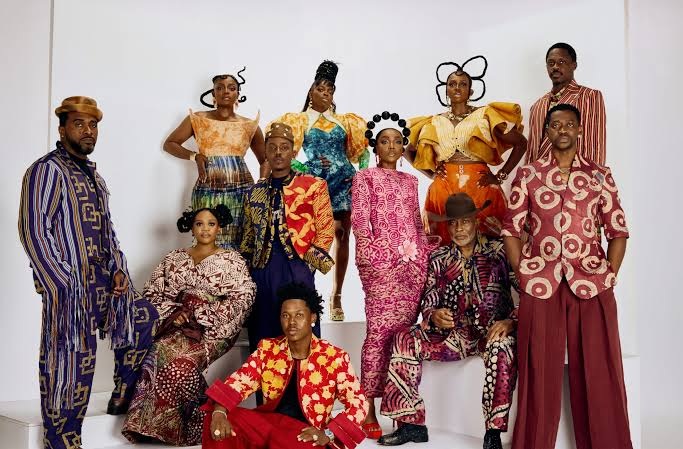
Mo Abudu and EbonyLife are bringing The Secret Lives of Baba Segi’s Wives to cinemas on December 4. Adapted from Lola Shoneyin’s acclaimed novel, the film offers a different proposition from the star-driven commercial rivalry, bringing a literary adaptation and prestige drama into one of the busiest periods on the Nigerian cinema calendar. It also marks EbonyLife’s return to theatrical cinema after several years away from the big screen.
With The Secret Lives of Baba Segi’s Wives opening on December 4, The Four on December 11 and Bestie on December 16, the festive calendar is creating a rare concentration of major Nigerian releases. The closeness of the dates could intensify competition for screens, audiences and marketing attention, but it could also help drive overall cinema attendance during the holiday period.
What Does the Competition Mean for Nollywood?
For some industry observers, the growing competition is a sign of a healthier and more ambitious Nigerian cinema market. More high-profile releases mean more reasons for audiences to visit cinemas, while successful theatrical runs can encourage investors and filmmakers to continue putting money into locally produced films.
But there is another side to the December rush. When a handful of major productions dominate screens and audience attention, smaller and independent films may struggle to secure enough showtimes or compete with the marketing power of established filmmakers.
As one industry voice puts it, the growth of the December market could be a double-edged sword.
“If a few big titles keep dominating December, the box office can grow while it becomes even harder for smaller and independent films to survive theatrically. For individual filmmakers, though, I see opportunity in it. You don’t have to compete with Funke Akindele or Toyin Abraham; you have to learn from what they’re doing. They’ve built audiences that will actually show up. That’s becoming just as important as making a good film.”
That observation points to one of the biggest lessons of the current Nollywood market: audience ownership is becoming almost as important as the film itself.
A filmmaker may produce a technically strong movie, but without an audience willing to leave home, buy a ticket and turn up in cinemas, the investment may struggle to translate into box-office success.
David ‘Crosswords’ Ikani sees the competition from a broader perspective, arguing that the growing number of major releases should not simply be viewed as a battle for the biggest gross.
“Rather than seeing the December box office competition as just a battle over which movie will make the most money, I think it shows that Nollywood is growing and becoming more competitive. And if the industry continues in this direction, it could create even bigger opportunities for upcoming filmmakers and the Nigerian creative industry as a whole.”
The ‘Call of My Life’ Factor
Perhaps one of the most interesting developments heading into December is that 2026 has already produced evidence that a Nollywood film does not necessarily need a December release to succeed.
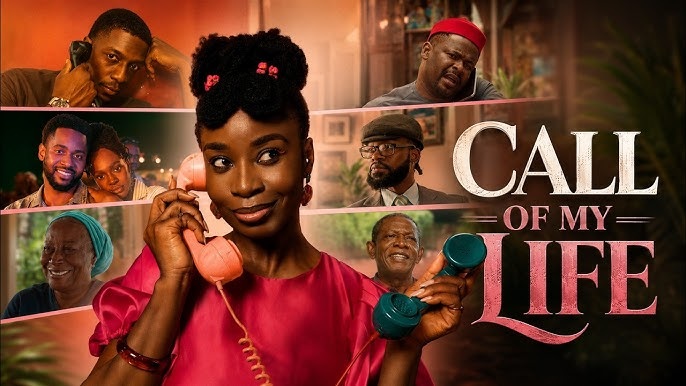
Call of My Life, released in May, became the highest-grossing Nigerian film of 2026 after earning more than ₦817.6 million during its theatrical run. Its performance demonstrated that a strong story can attract audiences outside the traditional festive-season window.
That success is significant because it challenges one of the long-standing assumptions about the Nigerian box office: that filmmakers must wait until December to achieve major commercial success.
Nafisat Yahaya believes the film has already provided an important lesson for emerging filmmakers.
“It’s an interesting and welcome tension for Nollywood and aspiring filmmakers. Call of My Life proved that you don’t have to be a big name for you to break through. Just ensure that your story is good and relatable.”
The implication is important. If audiences are increasingly willing to support compelling Nigerian films throughout the year, December may gradually become less of a necessity and more of an opportunity.
More Than a Battle for the Biggest Gross
As anticipation builds around the December releases, the ultimate winner will eventually be determined by ticket sales. But focusing only on the highest-grossing film could overlook the broader economic impact of the season.
A successful December can benefit cinemas, distributors, marketers, actors, filmmakers, production companies and the many businesses connected to the wider creative economy. It can also demonstrate to investors that Nigerian audiences are willing to spend money on locally produced stories when those stories are effectively packaged and marketed.

For IKEGOD Chielo, the growing competition should therefore be viewed beyond the question of which filmmaker takes the biggest share of the box office.
“As the momentum mounts and tension keeps rising over who the ultimate winner will be, there seems to be more to be gained beyond just who grossed the highest naira in the cinema run. It doesn’t only become a win for any of the competing filmmakers but also for the Nigerian cinema, upcoming filmmakers and the entire creative economy.”
That may ultimately be the most important story behind the December 2026 showdown.
What December 2026 Could Tell Us
The December box-office race will provide more than bragging rights for the filmmakers involved. It could offer another indication of how much Nigeria’s cinema audience has grown, what kinds of stories attract the biggest crowds and whether the industry can continue expanding beyond its traditional dependence on the festive season.
The concentration of major titles is also a test of whether the Nigerian cinema market has enough audience capacity to support several big releases at once. If the films all perform strongly, December could end the year as another major demonstration of Nollywood’s commercial potential. If some struggle to find audiences, it could raise questions about whether the industry is putting too many major bets into the same release window.
Either way, the competition is already doing something valuable: it is getting Nigerians talking about Nigerian films.
And when the lights go down and the December cinema battle finally begins, the biggest winner may not necessarily be the filmmaker who earns the most.
It could be Nollywood itself.