


The African Union has officially launched the Africa Credit Rating Agency (AfCRA) in Port Louis, Mauritius, setting up a homegrown alternative to dominant global agencies to address longstanding concerns over inflated borrowing costs and low economic assessments across the continent.
Challenging the Global Rating Monopoly
AfCRA is established to provide an alternative perspective to the three dominant international rating agencies: S&P Global Ratings, Moody’s Ratings, and Fitch Ratings. For years, African governments have criticized these global institutions for assigning low ratings and executing rapid downgrades during periods of stress, such as conflicts and pandemics.
While major international agencies reject claims of systemic bias—pointing to a 2024 Reuters investigation that found no evidence of systematic sovereign bias—supporters of AfCRA emphasize the severe impact of information gaps. Denys Denya, executive vice president of Afreximbank, highlighted that investors often charge more when they lack clear insights.

“When lenders don’t see clearly, they charge for the fog,” Denya said at the launch ceremony.
The Burden of High Borrowing Costs
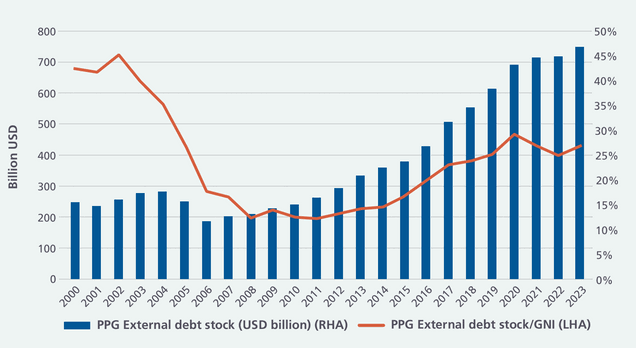
The launch arrives as numerous African governments grapple with surging debt-service obligations and restricted access to affordable international finance. According to the African Union, African economies average between a B and B-minus rating, compared to an average rating of BB for other emerging regions, which discourages investment and drives up borrowing expenses.
Africa’s annual external debt-service payments climbed dramatically from approximately $61 billion in 2010 to $163 billion in 2024, with interest payments frequently surpassing public allocations for essential sectors like health and education. Furthermore, AfCRA aims to expand formal credit coverage beyond the 32 out of 55 African countries currently rated by major international agencies.
Operational Structure and Independence
Headquartered in Mauritius, AfCRA will assess national governments, regional and local authorities, banks, financial institutions, public agencies, and private corporations.
To safeguard its credibility and protect against political interference, the agency is designed to be private-sector driven and funded through shareholder capital and its own operations, ensuring that governments hold no shares. Although its establishment was overseen by the African Peer Review Mechanism, AfCRA will operate autonomously following the African Union’s 2018 endorsement and development phases between 2024 and 2025.
Ensuring Credibility and Trust
Analysts emphasize that AfCRA’s long-term success relies heavily on transparency, independence, and adherence to global standards. Dennis Shen, a finance lecturer and former sovereign analyst, noted that the agency’s primary test will emerge during financial or political crises when its assessments face pushback from rated entities. Former Nigerian Vice President Yemi Osinbajo similarly warned against a nationalist or politically motivated approach, stressing that the institution must meet global expectations.

“It can’t just be a chauvinistic or nationalistic agency,” Osinbajo stated.
Fast Facts: AfCRA Overview
- Launch Date: Wednesday, October 7
- Headquarters: Port Louis, Mauritius
- Covered Entities: National/local governments, banks, public agencies, and private corporations
- Governance Structure: Private-sector driven, autonomous, with zero government shareholding
The Social Call-to-Action
Do you think a home-grown credit rating agency will effectively lower borrowing costs and provide fairer assessments for African economies? Share your thoughts on NTA’s social platforms.