
Compiled By: Malami Haruna Dogondaji
OCTOBER, 2026
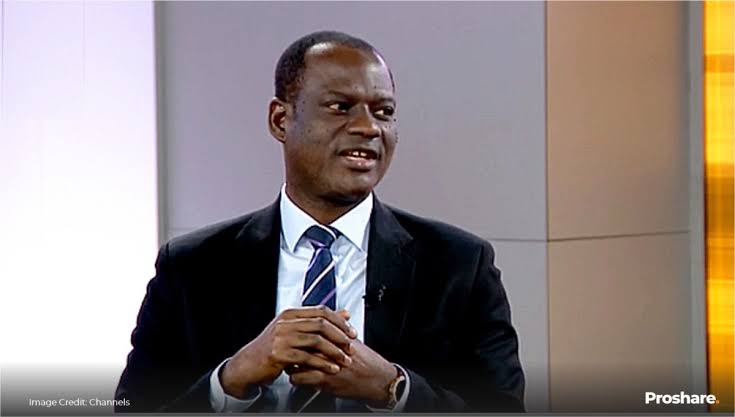
ABUJA — Nigeria’s Minister of Finance and Coordinating Minister of the Economy, Taiwo Oyedele, has rejected calls to restore the petrol subsidy, warning that doing so would sharply increase government spending and place further pressure on the country’s finances.
Oyedele spoke on Thursday during a ministerial press briefing in Abuja. He defended the government’s decision to allow petrol prices to respond more closely to market conditions.
The minister said the government recognized the hardship caused by the subsidy removal but maintained that returning to the former system would create a larger financial problem for Nigeria.
Why government opposes the subsidy
A petrol subsidy means that the government pays part of the cost of petrol so that consumers can buy it at a lower price.
If the subsidy is restored, the government would again have to cover the difference between the market cost of petrol and the price paid at filling stations. Oyedele said this would create a major financial obligation for the Federal Government.
Nigeria is already facing high debt payments, limited public revenue and increasing demands for spending on wages, infrastructure, education, health and security.
Oyedele has previously said that the former petrol subsidy and an implicit foreign-exchange subsidy together cost Nigeria resources equal to about 5 per cent of its gross domestic product before the reforms. He said the system also created economic distortions and was open to abuse.
The World Bank has also said that Nigeria’s fuel subsidy was costly and placed significant pressure on public finances. In its 2023 Nigeria Development Update, the bank estimated that ending the subsidy could save about ₦2 trillion in 2023 and more than ₦11 trillion between 2023 and 2025 compared with keeping the subsidy in place.
Return could cost trillions
Independent estimates suggest that restoring a broad, nationwide subsidy could cost the government several trillions of naira every year.
BusinessDay reported that returning petrol prices to much lower levels could expose the government to more than ₦14 trillion in annual costs, depending on petrol consumption and the amount paid by the government for each litre.
The cost would rise if international crude prices, shipping charges or the naira-dollar exchange rate increased.
The government would then have fewer funds available for development projects and social programmes. It might also need to borrow more money or reduce spending in other areas to finance the subsidy.
Why higher oil prices have not solved the problem
Oyedele also explained why higher international crude oil prices have not produced a similar increase in Nigeria’s government revenue.
He said oil revenue depends on two main factors: the price of crude oil and the volume of crude produced.
A higher oil price can increase earnings, but the benefit is limited if production falls or remains below target. Nigeria has faced years of low oil production because of crude theft, pipeline damage, ageing facilities and underinvestment.
“When we do projections, you do volume, you do price. So if price is up or you’re down on volume, you don’t crystallise the entire gains,” Oyedele said.
He also said some of the potential gains from higher oil prices were being absorbed by previous financial commitments.
According to Oyedele, part of Nigeria’s crude had already been committed to borrowing arrangements used during the subsidy period to finance fuel consumption.
“Legacy crude commitment from the subsidy era absorbs much of the gain,” he said.
What happened after subsidy removal?
President Bola Tinubu announced the removal of the petrol subsidy on May 29, 2023. Petrol prices rose sharply after the announcement, increasing the cost of transport, food distribution, electricity generation and business operations.
The Federal Government says the reform mobilized ₦15.8 trillion for the Federation between June 2023 and December 2025.
According to government figures, about ₦5.4 trillion accrued to the Federal Government, while approximately ₦10.4 trillion was shared among state and local governments through the Federation Account.
The government says the reform created additional resources for infrastructure, security, education, health and social protection.
However, the ₦15.8 trillion does not represent money kept in one special account. It refers to resources that the government says were freed up or mobilized after the subsidy was removed. The money was shared among the three levels of government and was also used to meet existing financial obligations.
Where the savings have gone
Oyedele said the savings from the reform have been largely absorbed by higher government spending and rising debt-service costs.
In July, he said Nigeria’s borrowing costs had risen sharply, with interest rates reaching as high as 24 per cent compared with about 8 per cent before the reforms. He also said the government’s wage bill had almost doubled after the minimum wage was increased to ₦70,000 per month.
The government has also increased funding for an education loan programme that provides tuition support and monthly stipends to more than 1.5 million students, according to the minister.
These expenses mean that savings from subsidy removal have not remained entirely available for new projects.
Temporary relief for motorists
Oyedele’s comments came as the Federal Government announced temporary measures to reduce the effect of high petrol prices.
Under the plan, petrol sold at NNPC retail stations would be offered at a lower price for 30 days. Public transport operators would receive priority under the arrangement.
The government also announced a negotiated landing cost for imported petrol. The landing cost, which includes the price of the product, shipping, insurance and other charges before it reaches Nigeria, will be reviewed every month.
The government said the measures would offer short-term relief without restoring the former blanket subsidy.
The cost-of-living challenge
The subsidy debate remains sensitive because petrol affects nearly every part of daily life in Nigeria.
When petrol prices rise:
- Transport fares usually increase.
- The cost of moving food from farms to markets goes up.
- Businesses that rely on generators face higher operating costs.
- Prices of goods and services may increase.
- Household budgets become more difficult to manage.
Poorer households are often affected most because they spend a large share of their income on transport and food.
Critics of the subsidy removal say the government has not provided enough direct support to families and has not clearly shown how the savings have improved living conditions.
The government, however, says the old subsidy system was expensive, poorly targeted and vulnerable to fraud. Supporters also argue that wealthier Nigerians and fuel smugglers benefited more from cheap petrol than the poorest citizens.
Government prefers targeted support
The Federal Government says it would rather use public funds for targeted support than subsidize petrol for every consumer.
Possible alternatives include:
- Cash support for low-income households.
- Cheaper and more reliable public transport.
- Support for farmers and small businesses.
- Investment in local petroleum refining.
- Improved social welfare programmes.
- Better management of oil revenue.
The World Bank has similarly recommended that Nigeria protect poor households through targeted assistance while maintaining the savings created by subsidy reform. It also called for more transparency in the way petrol prices and oil revenues are managed.
No return to blanket subsidy
The Finance Ministry has repeatedly said that Nigeria will not return to the old subsidy system or impose permanent price controls.
The government argues that market-based pricing will reduce economic distortions, encourage competition and protect public finances. It also expects more domestic refineries to increase petrol supply and reduce Nigeria’s dependence on imported fuel.
The policy remains unpopular among many Nigerians because the immediate effects are visible in higher transport and living costs, while the promised long-term benefits are yet to reach all households.
Oyedele’s latest comments show that the government intends to maintain the reform despite public pressure. Its position is that a blanket petrol subsidy is financially unsustainable, although it accepts that more targeted measures are needed to reduce the burden on Nigerians.