
The Lead
Nigeria is undergoing a seismic digital transformation. With fintech, e-commerce, and digital banking becoming the pulse of our economy, we are more connected than ever before. However, this progress has a significant flip side: as we grow more visible on the global stage, we are increasingly becoming a target. With over 281,000 leaked email accounts recorded in the first quarter of 2026, the question for every Nigerian is no longer if you will be targeted, but how you respond.
The Digital Paradox
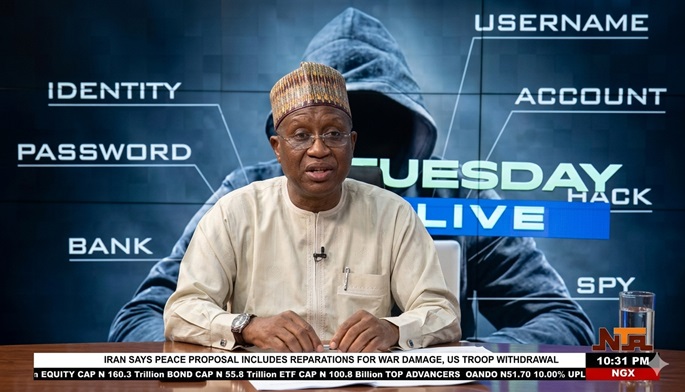
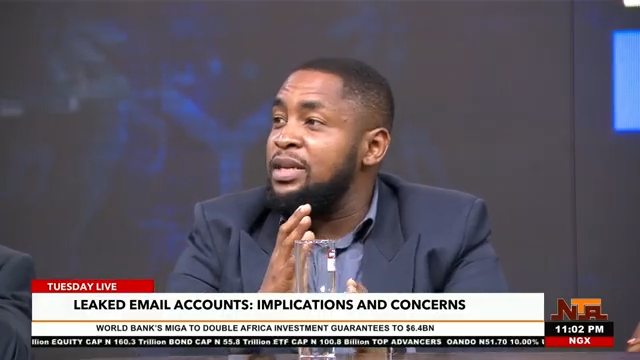
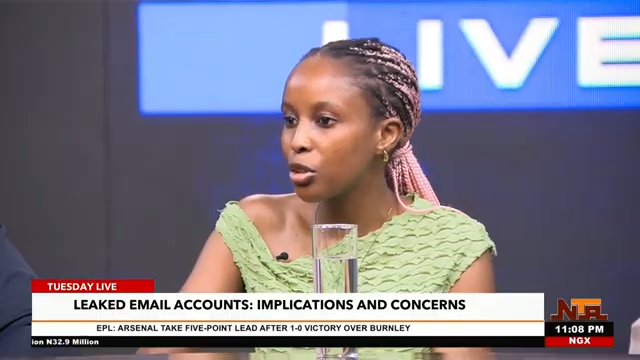
Experts appearing on the 19 May 2026 edition of NTA Tuesday Live framed this surge in data breaches as a “Digital Paradox.” Put simply: our rapid adoption of technology is a sign of development, but it inherently increases the attack surface for cybercriminals.
The data confirms this tension. Ranking 34th globally in breached accounts suggests that while our infrastructure is modernizing, our collective cybersecurity posture must accelerate to match it.
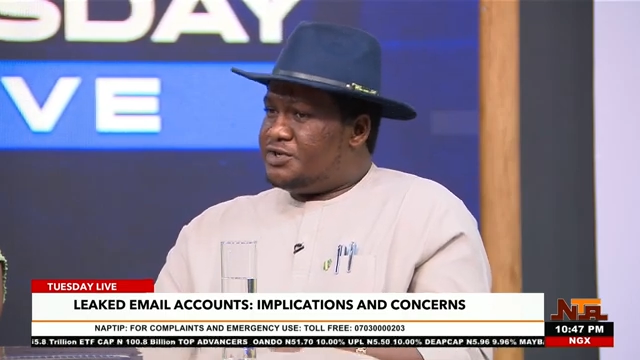
“Cybersecurity is a huge component of our well-being as Nigerians and as individuals. Awareness, as you said, is also cybersecurity.”
— Joseph Gideon Iojo, Cybersecurity Expert
The Password Trap
One of the most persistent issues highlighted by experts is the “Password Reuse” trap. Many Nigerians rely on a single, easily remembered password across multiple platforms—banking, email, and social media.
Iojo warns that this is a dangerous practice. When one account is compromised, the domino effect is swift. Cybercriminals use those same credentials to breach your other accounts, potentially leading to significant financial and reputational damage.
Moving Beyond the Password
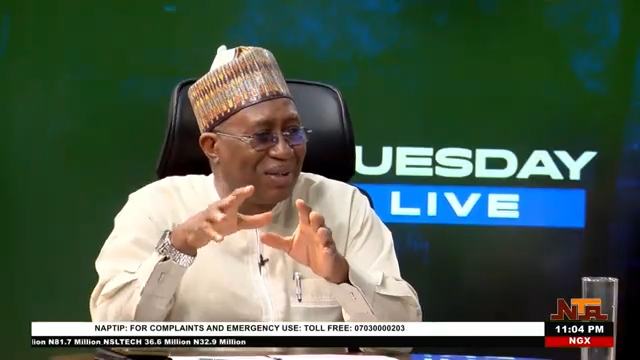
The panel, including Dr. Ayod Bakari, emphasized that traditional, static passwords are no longer enough. The shift must move toward Multi-Factor Authentication (MFA) and, where possible, passwordless systems.
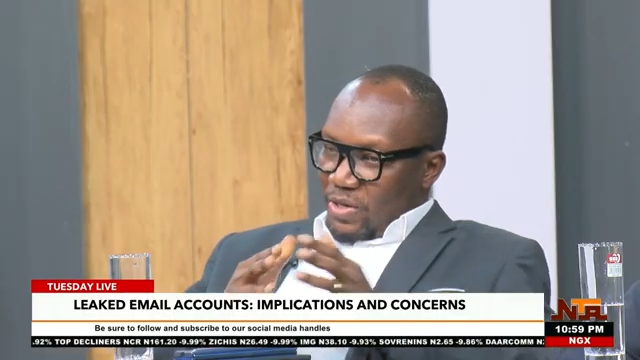
“You can rely on other factors of authentication… which includes what you are—your fingerprint, your iris—another alternative is to go passwordless.”
— Dr. Ayod Bakari, Tech Security Specialist
The Human Factor: Social Engineering
Modern scams have evolved beyond simple “fake links.” Today, cybercriminals exploit human curiosity and emotion. Whether it is a blurry picture sent via WhatsApp or an urgent “account alert,” these social engineering tactics are designed to trigger a panicked response. The panel stressed that digital literacy requires a behavioral shift: pause, verify, and never act on impulse.
Context Box: Securing the Digital Frontier
While individuals must take personal responsibility for their digital hygiene, the Federal Government of Nigeria is enforcing strict standards to ensure the digital ecosystem remains resilient. According to the NITDA Standards and Guidelines for Government Websites, institutional security is paramount:
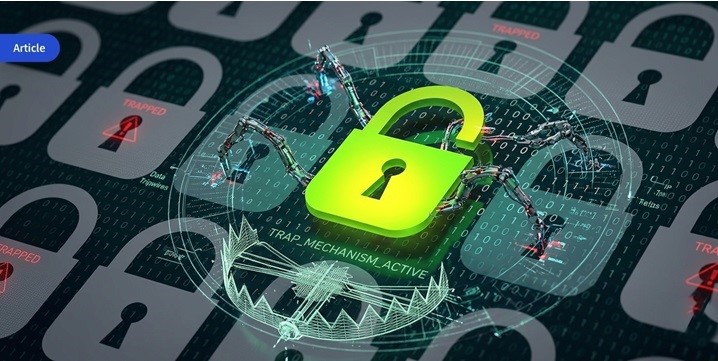
- Encryption: Government platforms are mandated to use secure transmission protocols (such as SSL) to protect user data from unauthorized access or modification.
- Data Integrity: Institutions are required to perform regular security audits, conforming to the Open Web Application Security Project (OWASP) guidelines, ensuring a “Zero Alert” status for high and medium-risk levels before any site goes live.
- Privacy First: Official guidelines strictly enforce privacy policies, requiring that all collected personal data be securely transmitted, stored, and disclosed only under strictly regulated conditions.
Protect Your Digital Identity: Quick Tips

- Avoid Public Wi-Fi: Do not perform sensitive logins—like banking or email—while on free public Wi-Fi or using shared computers in cybercafés. They are prime hunting grounds for spyware and malware.
- Unique Passwords: Use a unique, complex password for every single account.
- Enable MFA: Turn on Multi-Factor Authentication on every platform that offers it.
- Verify Before You Click: If an message feels urgent or suspicious, assume it is a trap. Verify directly with the service provider through official channels.
Join the Conversation
Cybersecurity is a shared responsibility—between the government, businesses, and you. Have you ever fallen victim to a digital scam, or do you have a tip on how you keep your accounts secure?