

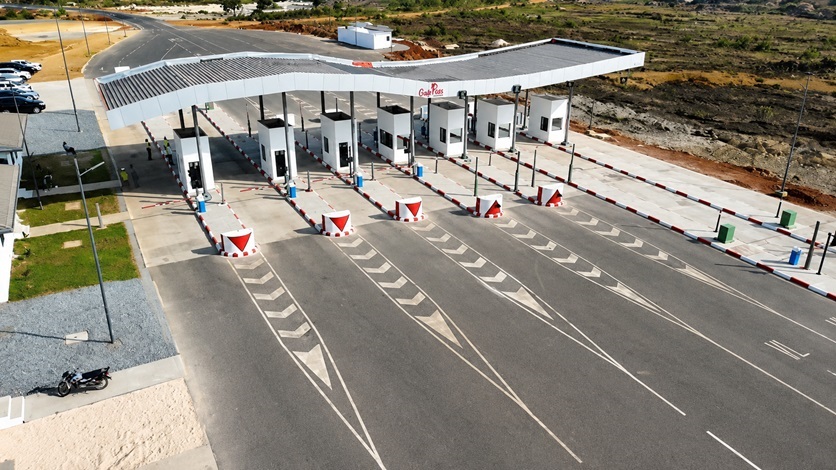
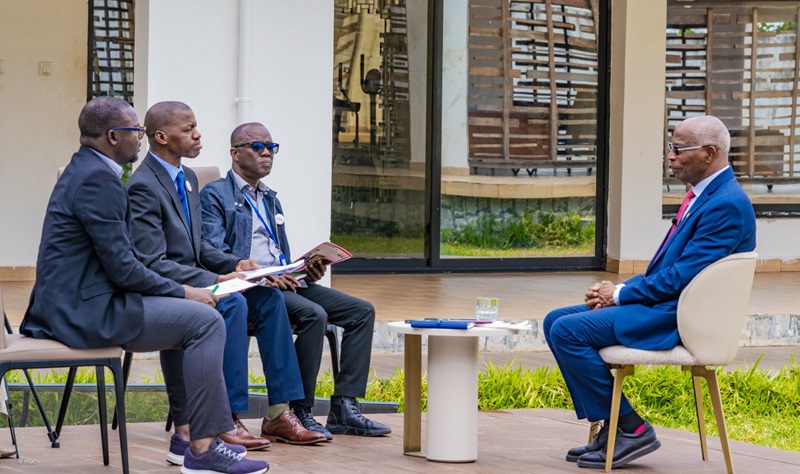
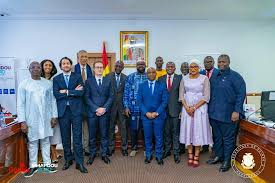
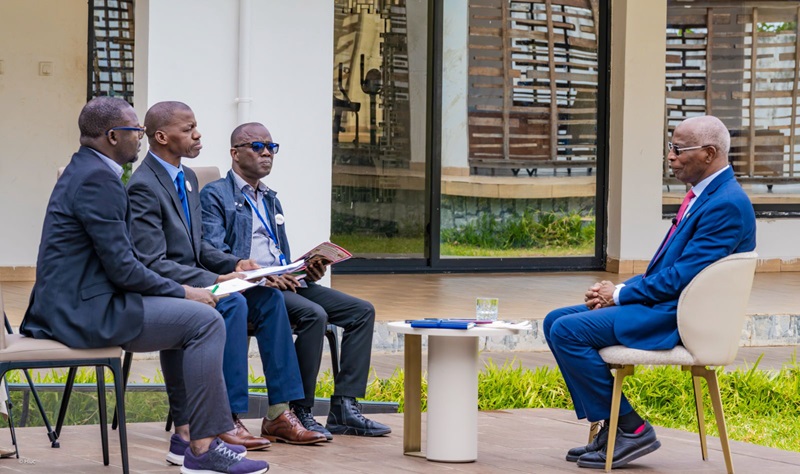
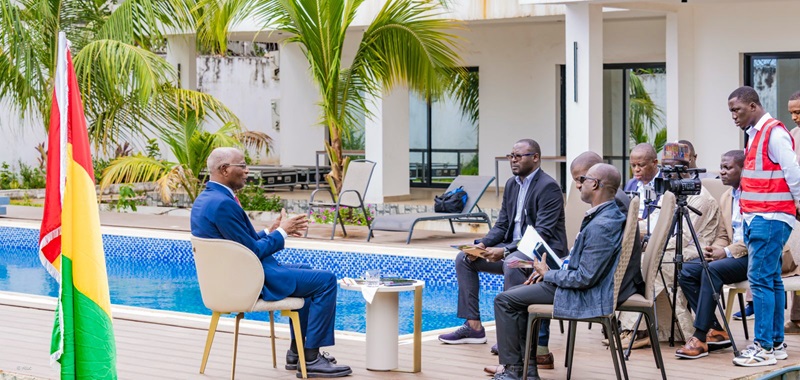
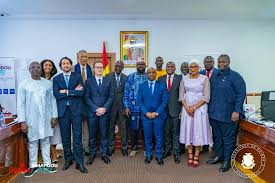
A transformative vision for West African infrastructure has just received one of the continent’s highest accolades. Guinea’s President Mamadi Doumbouya has been designated as the 2026 winner of the prestigious Super Prize Grand Builder – Babacar Ndiaye Trophy.
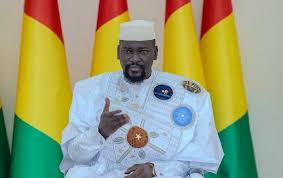

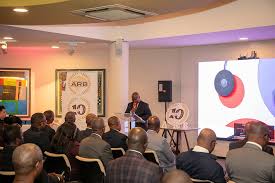
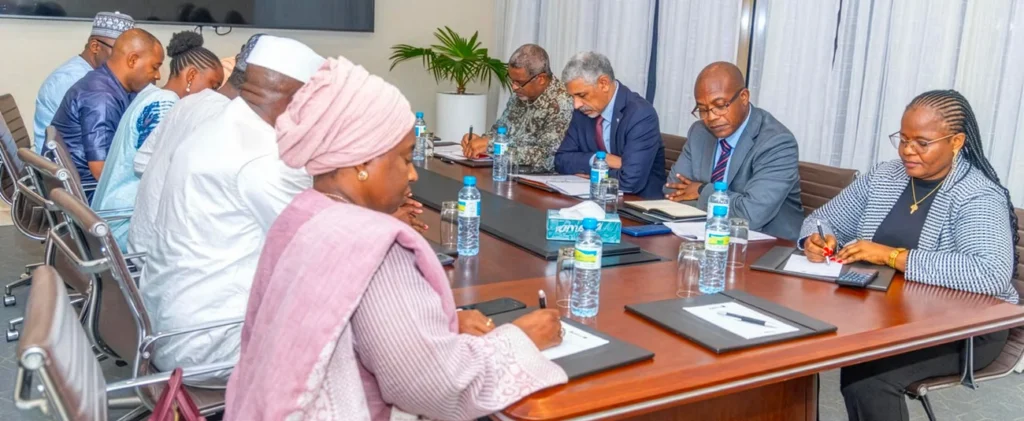
The award, which is directly linked to African road and transport infrastructure development, was announced by the Africa Road Builders platform during its 2026 inaugural conference in Abidjan. Doumbouya was named the laureate in recognition of his leadership and infrastructure investment, specifically centering around transport development and the ambitious Vision 2040 agenda.
The trophy is scheduled to be formally presented on May 27, 2026, in Brazzaville, running alongside the African Development Bank’s annual meetings.
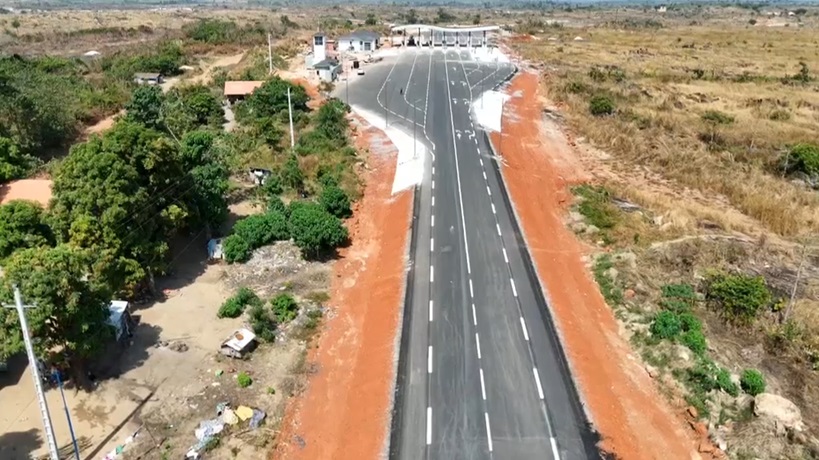
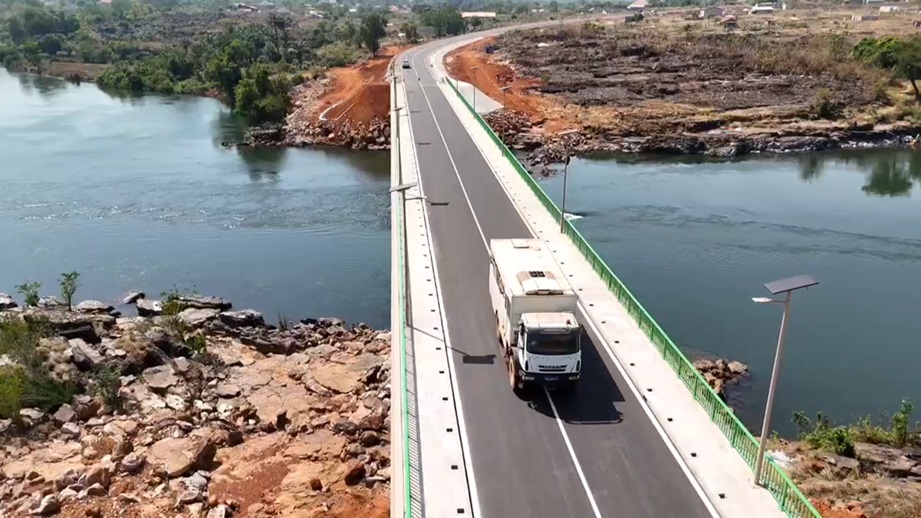
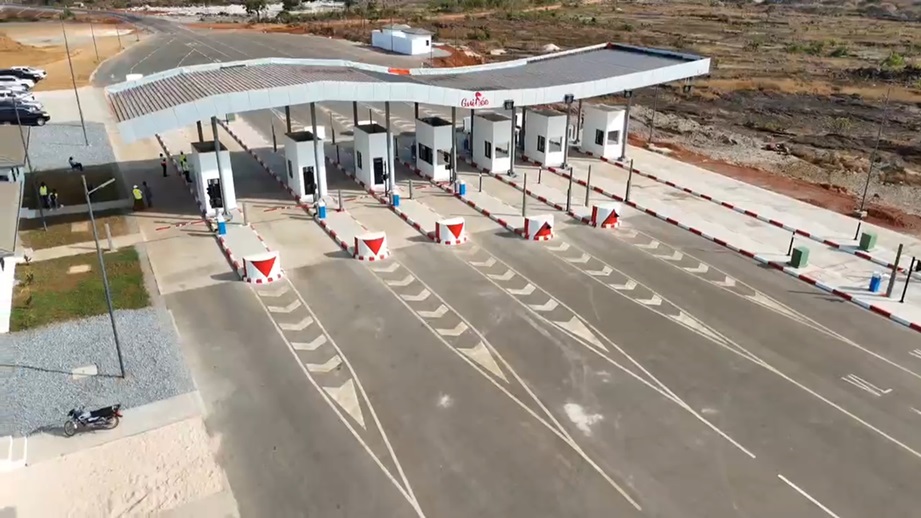
A Political and Developmental Milestone
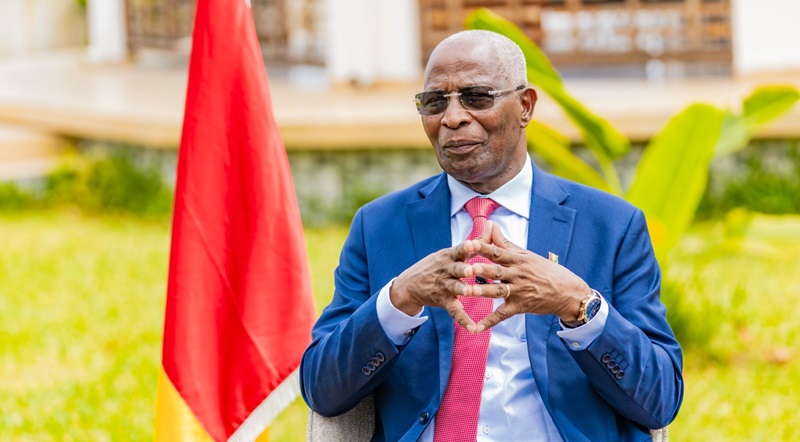
This recognition serves as a potent political and developmental signal for the region. Guinea’s Prime Minister, Amadou Oury Bah—who was reappointed to his role in January 2026—publicly welcomed the president’s designation. His comments frame this achievement as a powerful endorsement from the head of government, explicitly tying a presidential award to national infrastructure success.
The award highlights the government’s infrastructure agenda, reinforces President Doumbouya’s public image as a builder, and links the administration’s political legitimacy to highly visible, functional development projects. Furthermore, it firmly places the nation within a wider, competitive regional infrastructure narrative, especially as other West African institutions were recognized in this same 2026 edition.
How the 2040 Vision Edged Out Regional Rivals
The award space for African road projects is highly competitive because regional corridors are directly linked to major economic integration agendas under PIDA, ECOWAS, and the African Continental Free Trade Area. The 2040 project faced strong competition from other major African transport corridors vying for the same infrastructure recognition.
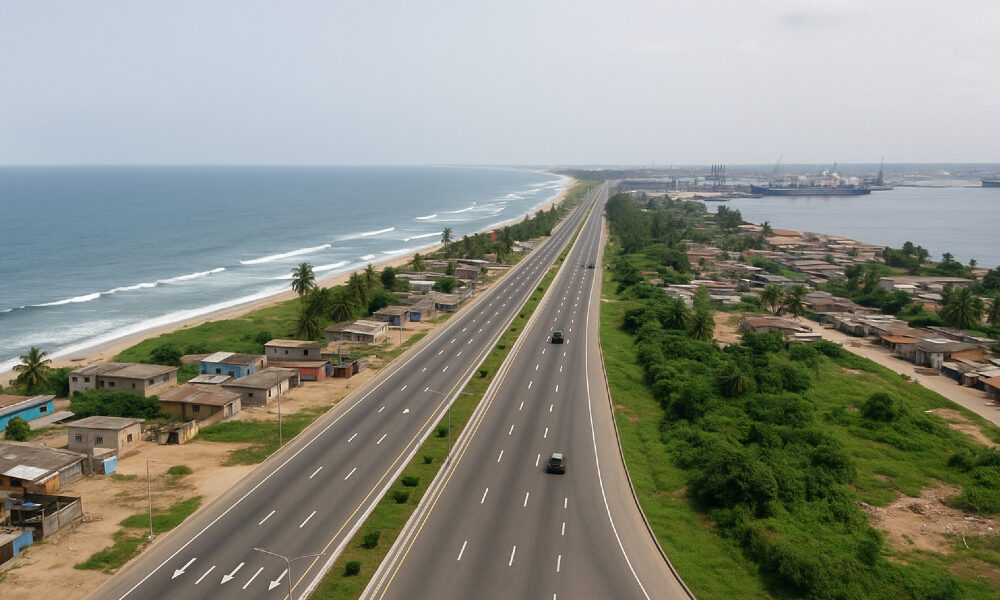
A primary rival was neighboring Senegal’s Sénoba-Ziguinchor-Mpack Road project. Like the 2040 vision, the Senegalese project sits on the Dakar-Lagos Trans-African Highway (TAH-7) and serves as a sub-regional backbone for economic and social development.
However, the 2040 project ultimately edged out the competition because its goals were deemed both highly strategic and rigorously measurable. The initiative effectively combines the broader cross-border corridor vision with the resolution of a critical national bottleneck.
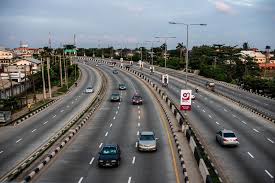
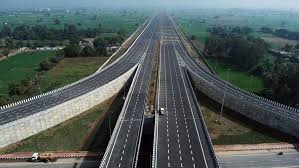
Key advantages that tilted the balance include:
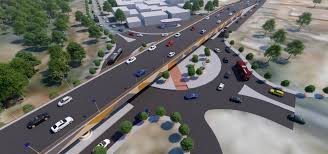
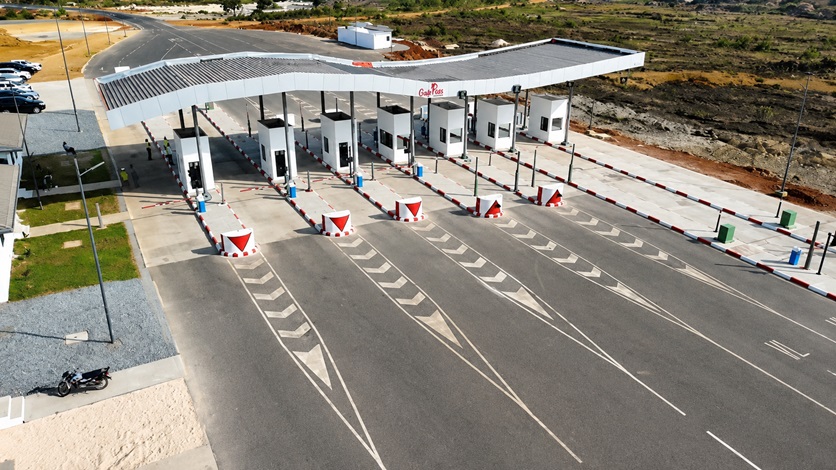
- Targeted Upgrades: The project rehabilitates the only paved strategic road in the country between Safim and Mpack.
- Comprehensive Infrastructure: It goes beyond simple paving to include vital bridge upgrades and crucial climate-resilience works.
- Bankable Implementation: The project boasts a robust financing profile, utilizing European Investment Bank (EIB) loan support blended seamlessly with an EU grant and technical assistance. This structure made the project appear significantly more advanced and actionable than rival proposals still stuck in the planning or partial-delivery stages.
Measuring the Impact: Why Delivery Matters
Jurists and international observers frequently reward concrete, corridor-level impact over broader, less visibly deliverable transport plans. The 2040 project won because it presented a rare, winning combination of regional significance, practical delivery, and undeniable social payoff.
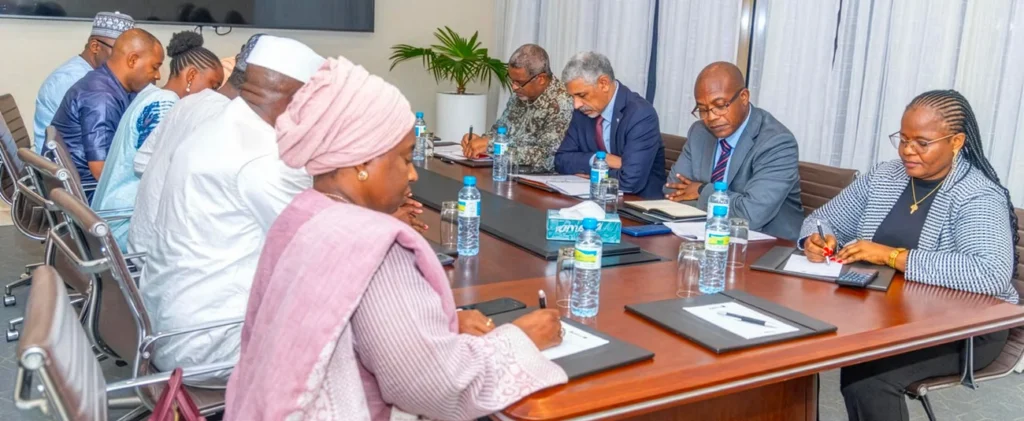
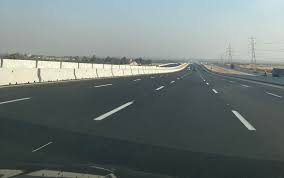
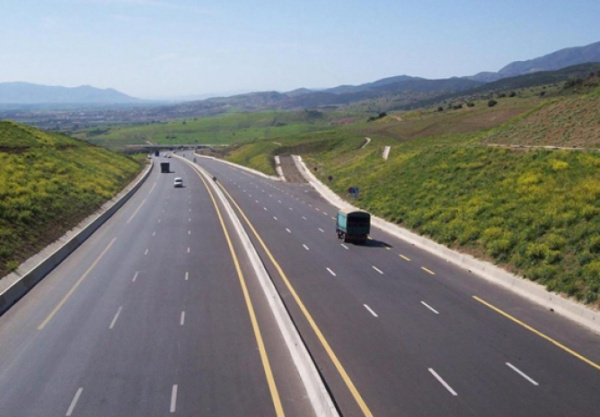
By improving the Dakar-Lagos TAH-7 corridor, the project delivers direct, easily measurable benefits in mobility, safety, climate resilience, and international trade. For the everyday citizens and commercial transport operators utilizing the Safim-Mpack route, the results will be tangible: shorter travel times, lower vehicle operating costs, better access to essential services, and dramatically improved trade links with Senegal and the wider West African market.
Project Comparison: West African Transport Corridors
| Feature | The 2040 Safim-Mpack Project | Senegal’s Sénoba-Ziguinchor-Mpack Project |
| Corridor Alignment | Dakar-Lagos TAH-7 | Dakar-Lagos TAH-7 |
| Primary Focus | Rehabilitates the only paved strategic road, targeting a specific national bottleneck. | Sub-regional backbone for broad economic and social development. |
| Financial Backing | EIB loan blended with EU grants and technical assistance. | Competes under broader PIDA/ECOWAS frameworks. |
| Measurable Impacts | Shorter travel times, lower vehicle costs, bridge upgrades, and climate resilience. | Broad integration under AfCFTA. |
| Award Status | 2026 Winner of the Babacar Ndiaye Trophy. | Key Rival. |

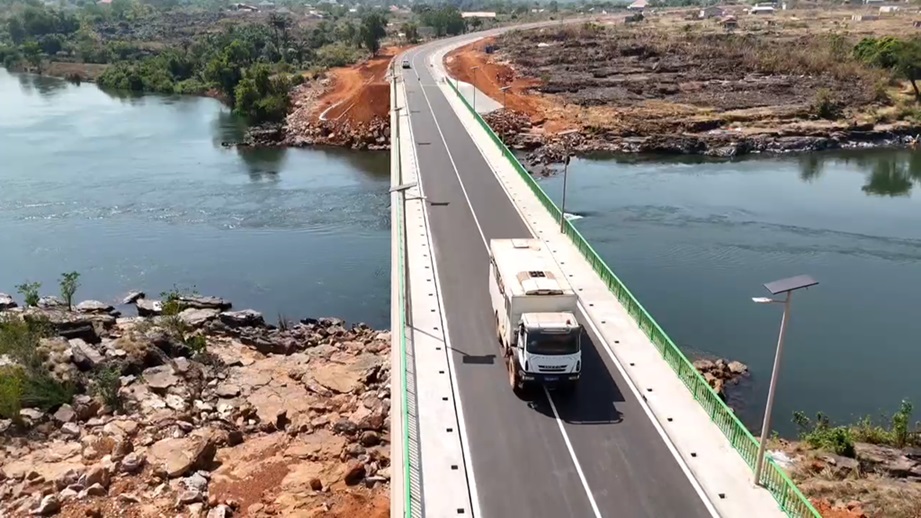
Ultimately, the selection of this ambitious 2040 project for the Babacar Ndiaye Trophy underscores a critical shift in how African infrastructure development is evaluated and celebrated. It is no longer merely about the sheer scale of a proposed blueprint, but the strategic necessity and measurable impact of its delivery. By directly addressing a severe national bottleneck while simultaneously enhancing the vital Dakar-Lagos Trans-African Highway, the project stands as a pragmatic, bankable model for future regional development. As the May 2026 award ceremony in Brazzaville approaches , this corridor serves as a powerful reminder that the best infrastructure initiatives are those that successfully merge cross-border integration with immediate, tangible social payoffs.
Call to Action
Have Your Say:
Do you believe that prioritizing targeted, measurable road projects over massive, long-term blueprints is the best path forward for Africa’s economic integration? How will upgrades to the Dakar-Lagos Trans-African Highway impact cross-border business and travel in your region?
Join the conversation in the comments section below, share this article with your network to spark the debate, and subscribe to our newsletter for the latest deep dives into the infrastructure projects transforming the African continent.