
The Lead
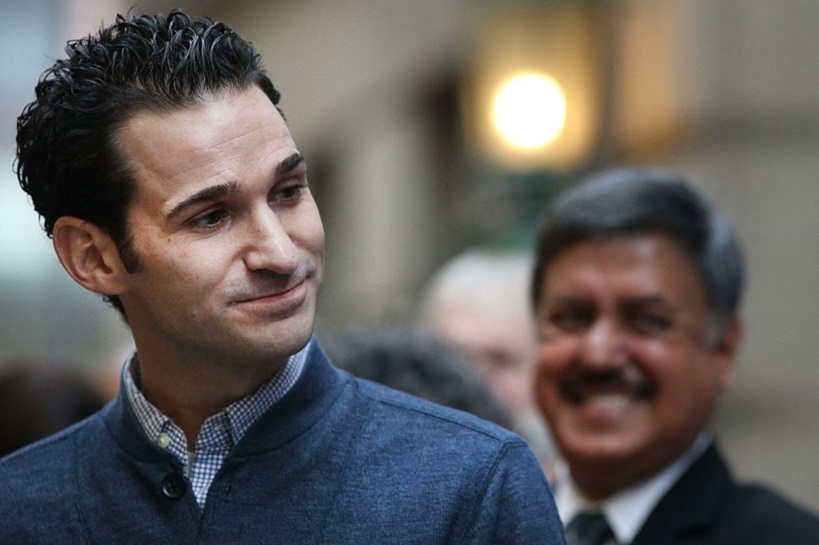
When Dr. Craig Spencer returned to New York City from the front lines of the devastating West African Ebola outbreak in October 2014, he carried home more than just the physical exhaustion of a humanitarian mission; he unknowingly carried a lethal virus that would thrust him into the centre of a fierce global debate on state power, medical ethics, and public hysteria.
A Profile of Duty in High-Risk Zones
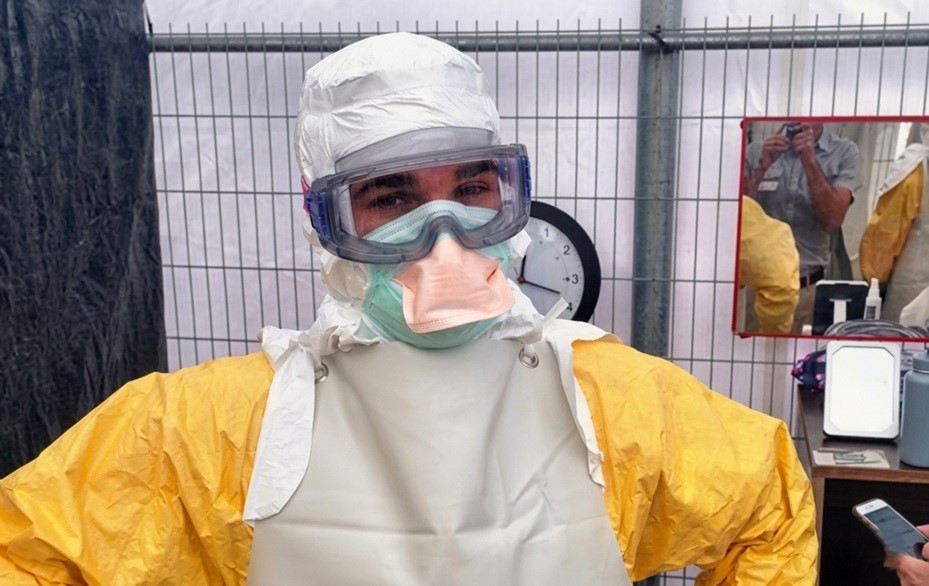
Dr. Craig Spencer was the epitome of a committed global-health physician. Professionally trained in emergency medicine and international health, he was well-established within the prestigious corridors of Columbia University and NewYork-Presbyterian Hospital.
Yet, when the 2014–2016 Ebola outbreak began decimating communities across West Africa, Dr. Spencer chose to leave the comfort of American hospitals. He volunteered with Doctors Without Borders (Médecins Sans Frontières – MSF) in Guinea, stepping directly into extremely high-risk isolation wards where he managed and treated dozens of highly infectious patients on a daily basis.
The Infection and the Anatomy of Panic
In late October 2014, Dr. Spencer returned home to New York. For the first few days, he remained entirely asymptomatic. However, on 22 October, he detected a low-grade fever and immediately reported the development to public health authorities, strictly following scientific protocols. He was promptly isolated at Bellevue Hospital, where he tested positive for the virus, marking New York City’s first diagnosed Ebola case.
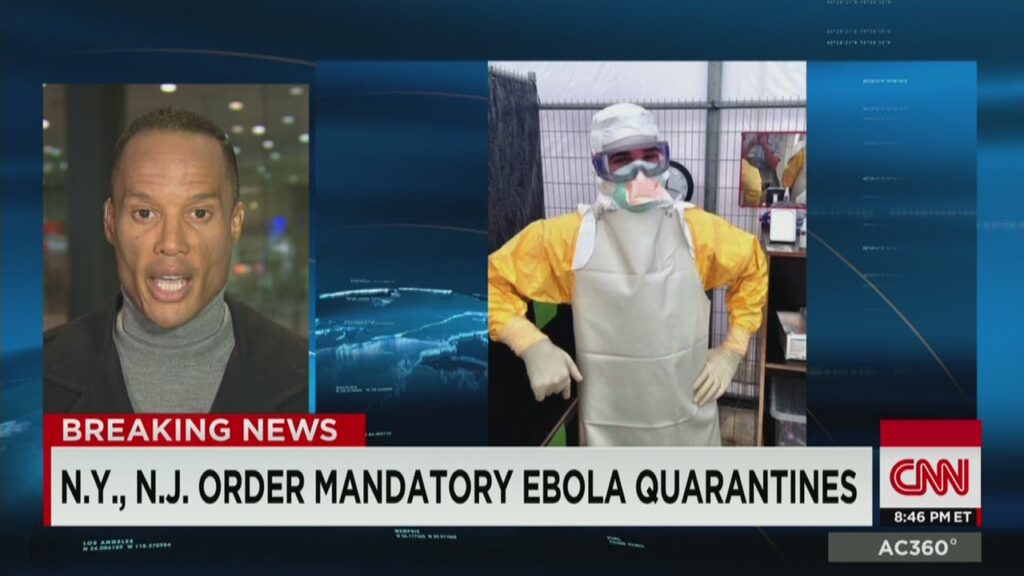
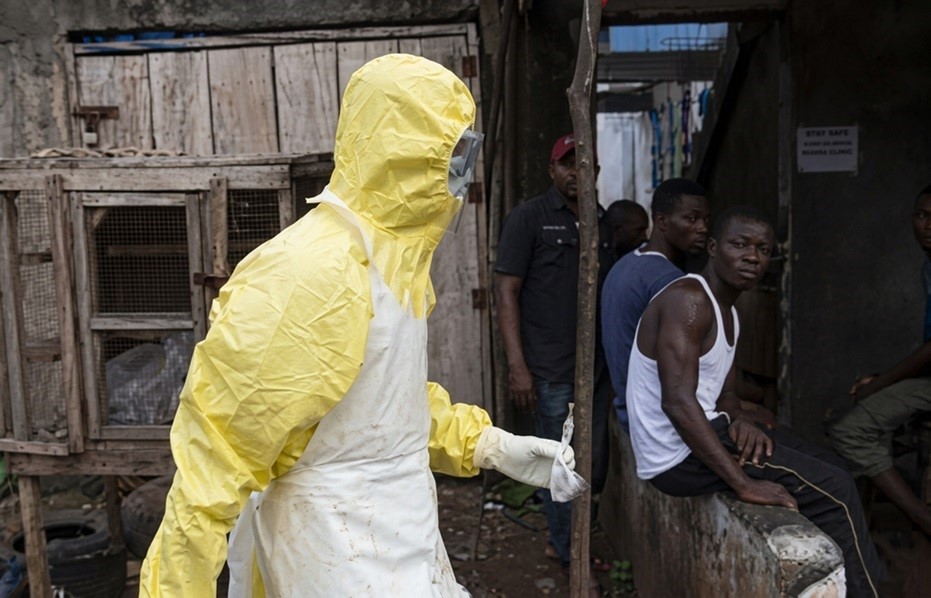
Despite expert consensus that Ebola is completely non-contagious before symptoms manifest, the public response was swift and volatile. Because Dr. Spencer had utilized the New York subway system and visited public spaces before his fever developed, local media and communities erupted into panic. This reaction highlighted a profound disconnect between verified medical science—which details that transmission requires close contact with infected bodily fluids—and visceral public fear.
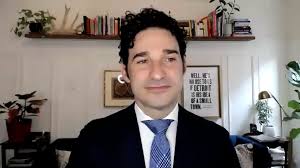
“Ebola is controllable with proper protocols. Countries need to support, not punish, the brave doctors who go to the front lines of outbreaks.” — Dr. Craig Spencer, speaking out against public stigma post-recovery.
The Quarantine Debate: Science vs. Politics
Dr. Spencer’s diagnosis quickly evolved from a medical emergency into a highly politicised battleground. His case fueled an intense national debate regarding whether returning healthcare workers should face mandatory state-enforced quarantines or be allowed to self-monitor.
While several political figures demanded aggressive, mandatory restrictions on movement, public health officials countered that such punitive measures were counterproductive. Medical experts argued that transparent self-monitoring and rapid reporting were far safer and more effective, warning that forced isolation would only disincentivise volunteers from fighting outbreaks at their source.
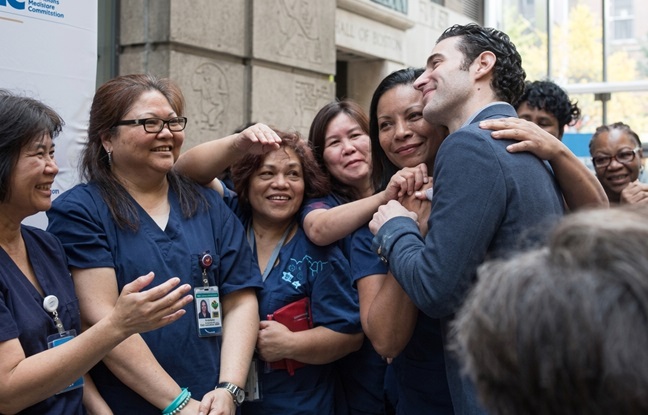
Fast Facts: The Ebola Crisis Timeline
- The Deployment: Dr. Spencer treated patients in Guinea with MSF during the historic 2014–2016 outbreak.
- The Diagnosis: He became the first Ebola case diagnosed in New York City and the fourth in the United States that year.
- The Recovery: Lacking approved antiviral medications at the time, he was cured via rigorous supportive care (fluids, electrolytes, and blood-pressure management).
- The Clearance: Declared virus-free on 10 November 2014, he returned to active medical practice within weeks.
Reintegration and Continuing Advocacy
Dr. Spencer made a full recovery and was officially discharged on 11 November 2014, after clinicians verified he posed absolutely no threat to public safety. Rather than retreating from the public eye after facing intense community scrutiny, he used his elevated profile to challenge institutional stigma.

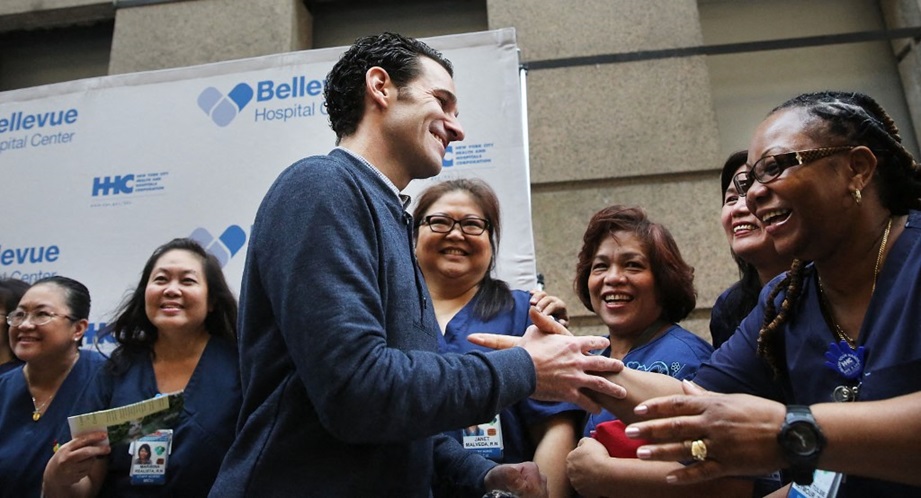
Returning to medicine within weeks, he became an outspoken advocate for the protection of frontline healthcare workers. His survival stands as a powerful testament to the efficacy of early diagnosis and high-level supportive care, while his post-recovery work continues to remind the world that epidemiological policies must be driven by clinical data, not community panic.
The Social Call-To-Action
What do you think? Should healthcare workers returning from global epidemic zones face mandatory government quarantine to guarantee public safety, or does forced isolation unfairly penalise medical heroes and hinder outbreak control? Share your views in the comment section below or tweet your thoughts to us @NTANews using the hashtag #NTAHealthDebate.