
The Lead
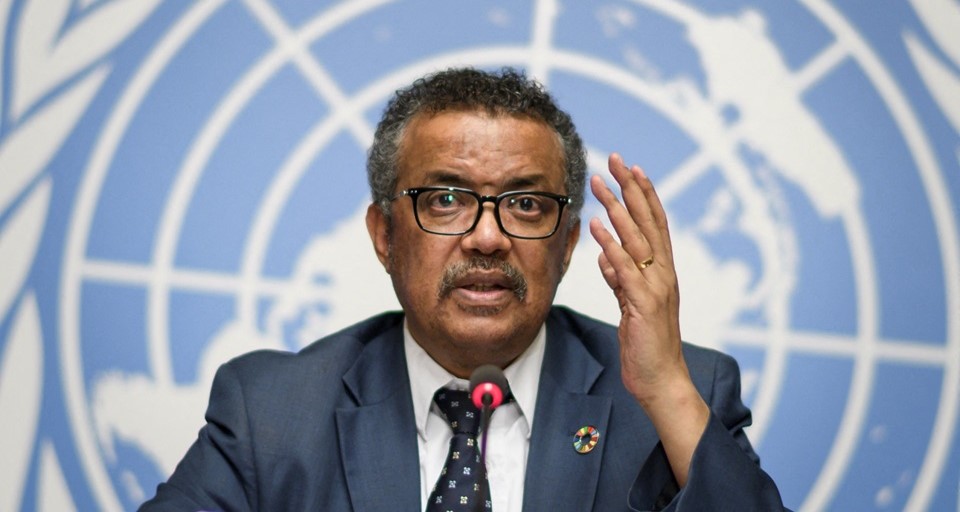
As Africa confronts a rapidly evolving biosecurity threat, the World Health Organisation (WHO) has sounded a critical alarm over the current Ebola outbreak in the Democratic Republic of the Congo (DRC), which is unfolding with unprecedented “scale and speed” and threatening regional health security.
A Borderless Threat in Eastern DRC
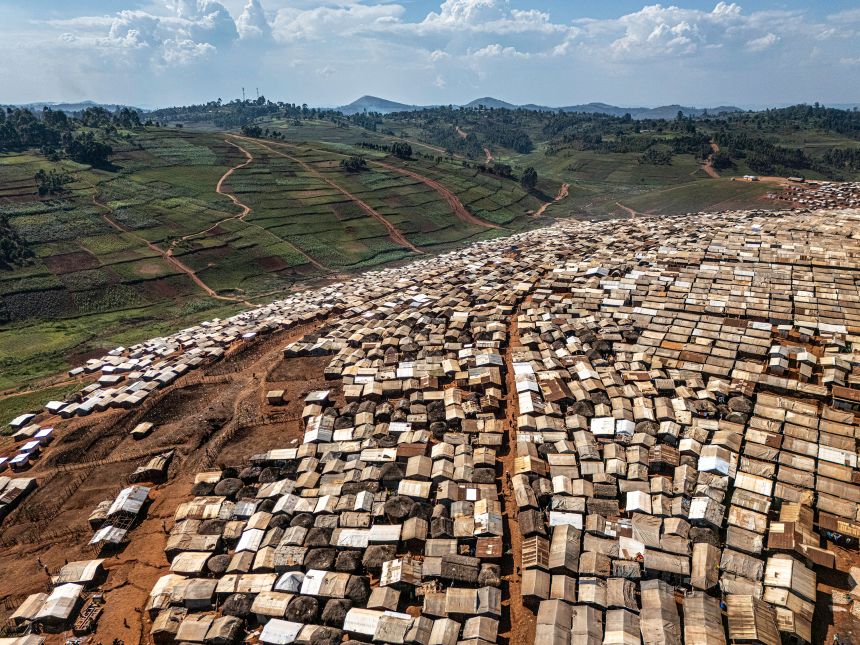
The outbreak, which is centred in eastern DRC’s conflict-impacted Ituri Province, has already crossed international boundaries. Surveillance teams have detected spillover cases in neighbouring Uganda among travellers arriving from the DRC.
As of mid-May 2026, Congolese health officials have reported approximately 513 suspected cases and 131 suspected deaths. Only a fraction of these cases have been laboratory-confirmed so far, leaving international experts worried that the true magnitude of the crisis remains unverified.
On 17 May 2026, the WHO officially designated the outbreak a Public Health Emergency of International Concern (PHEIC). This rare activation underscores the high risk of further international transmission and the potential to overwhelm fragile cross-border health systems.
Why This Outbreak Defies Conventional Response
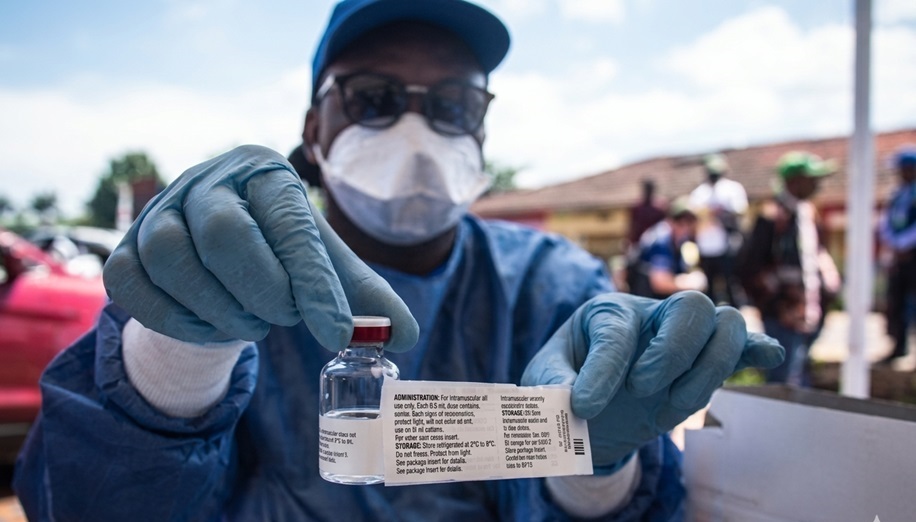
Unlike previous emergencies where health workers successfully deployed ring-vaccination strategies, the current crisis involves the Bundibugyo strain—a less common but highly deadly Ebola subtype.
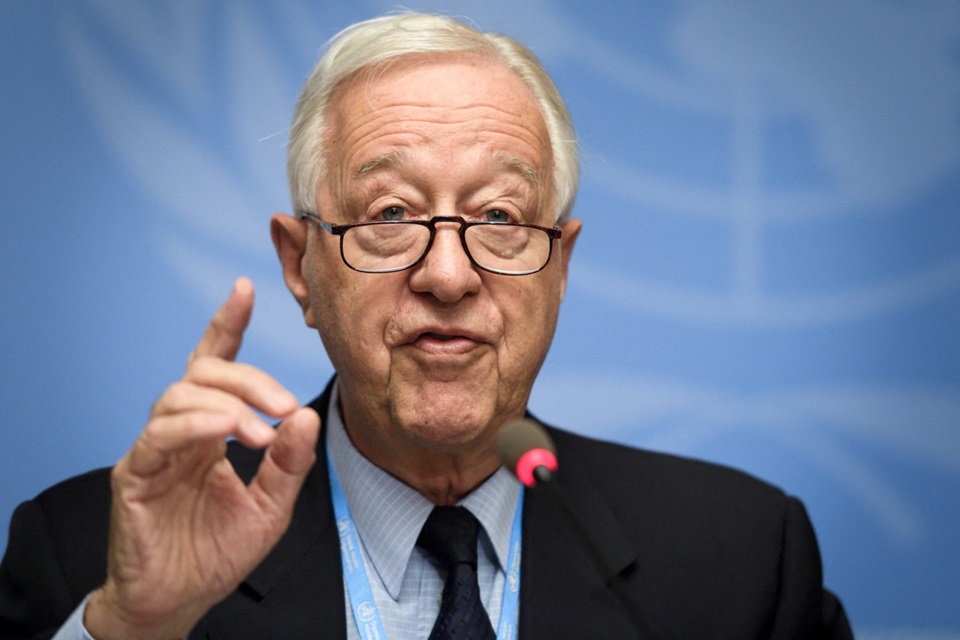
“Unlike previous Ebola emergencies, which could draw on ring-vaccination with existing vaccines, there is currently no licensed vaccine for the Bundibugyo strain, and any rollout is ‘months away,’ leaving communities exposed.”(Context synthesis) — World Health Organisation Report
Compounding the lack of medical countermeasures is the volatile security situation in eastern DRC. Long-running armed conflict and densely populated displaced-person camps severely limit health-worker access. Furthermore, deep-seated fear, public misinformation, and a historical distrust of authorities continue to delay case reporting and early treatment.
Fast Facts: The 2026 Ebola Emergency
| Category | Outbreak Details |
| Epicentre | Ituri Province, Eastern Democratic Republic of the Congo (DRC) |
| Virus Strain | Bundibugyo Strain (No currently licensed vaccine available) |
| Current Toll | ~513 suspected cases, 131 suspected deaths (As of mid-May 2026) |
| International Spread | Confirmed spillover into Uganda (2 travel-linked cases, 1 death) |
| Global Status | Public Health Emergency of International Concern (PHEIC) |
Mobilising the Continental Response
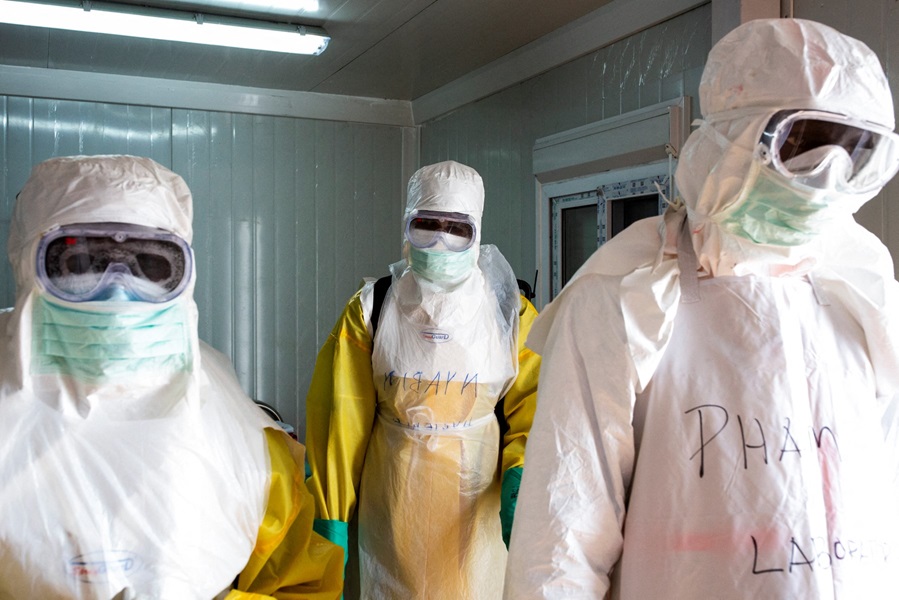
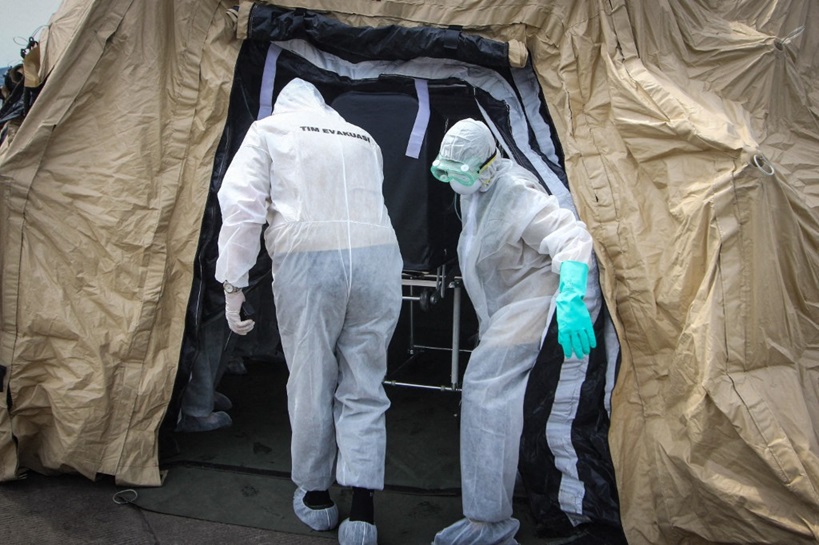
The PHEIC declaration has successfully unlocked emergency funding, technical teams, and heightened political attention. On the ground, the WHO and its global partners are deploying specialist personnel to scale up contact-tracing, enhance laboratory testing speed, and establish safe-burial services.
Concurrently, the Africa Centres for Disease Control and Prevention (Africa CDC) has requested all neighbouring countries to immediately heighten surveillance at formal and informal border posts. Because trade and human movement remain highly frequent between the DRC, Uganda, and wider East Africa, regional coordination is deemed vital to halt the virus.
Crucial Lessons for Nigeria’s Health Architecture
Even for a nation like the DRC, which possesses extensive institutional memory from managing 16 past Ebola outbreaks, a vaccine-free strain in a conflict zone creates a severe global emergency.
For Nigeria and other West African nations, this episode serves as a stark reminder to reinforce internal defensive mechanisms. To prevent a similar zoonotic threat from reaching our shores, Nigeria must continuously invest in:
- Robust Early-Warning Systems: Ensuring rapid detection capacities at all international airports and seaports.
- Cross-Border Health Coordination: Sharing real-time intelligence with regional West African neighbours.
- Diagnostic Stockpiles: Maintaining readily accessible reserves of rapid-testing tools across all 36 states and the FCT.
- Transparent Public Messaging: Engaging communities early to counter health misinformation before an emergency occurs.
The Social Call-To-Action
What are your thoughts on Africa’s biosecurity readiness? With the WHO declaring a new Ebola emergency in the DRC, how best can Nigeria strengthen its border health surveillance? Drop your comments below or share your views using #NTANetwork on our social platforms.