
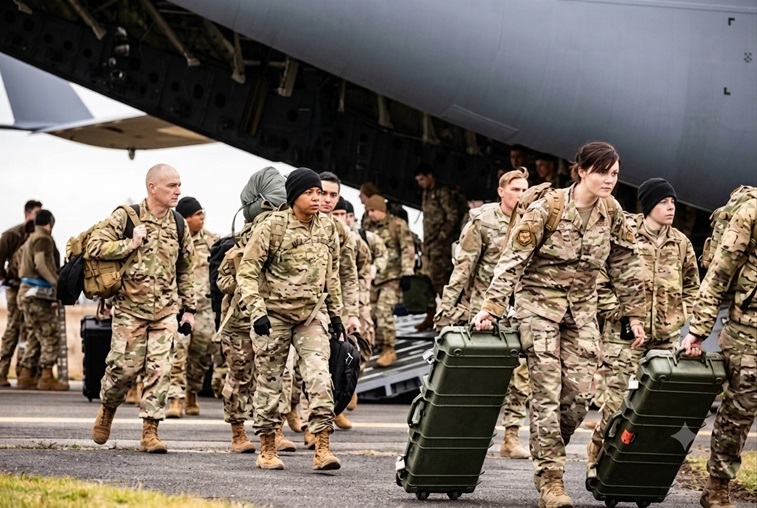
In a strategic shift reflecting the evolving dynamics of international military partnerships, the United States has withdrawn the majority of its counterterrorism troops from Nigeria following the completion of targeted operations against Islamic State-linked fighters.
Mission Objectives Achieved
The redeployment follows a highly coordinated, limited support mission that began in February 2026. United States officials initially confirmed that approximately 100 American military personnel had been deployed to Nigeria to assist local forces.
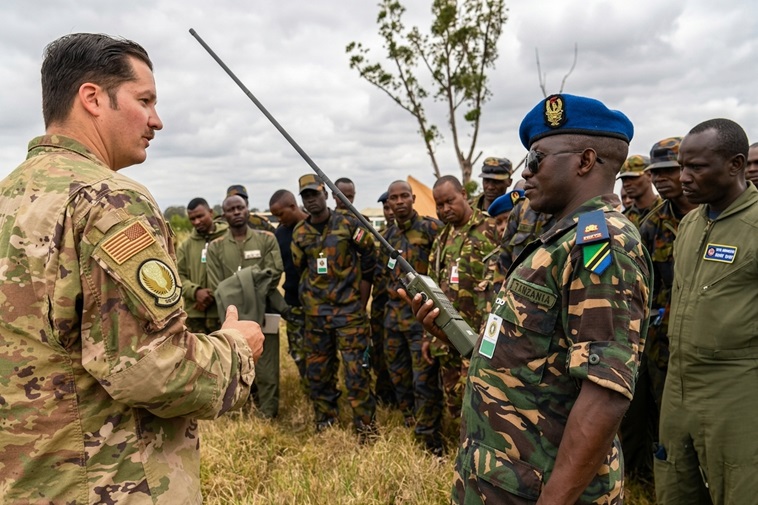
According to the United States Africa Command (AFRICOM), the drawdown indicates that the immediate objectives of the counterterrorism operation have been successfully met. The deployment focused strictly on technical assistance, specialized training, and strategic intelligence sharing rather than direct combat operations.
Sovereignty and Command Structure
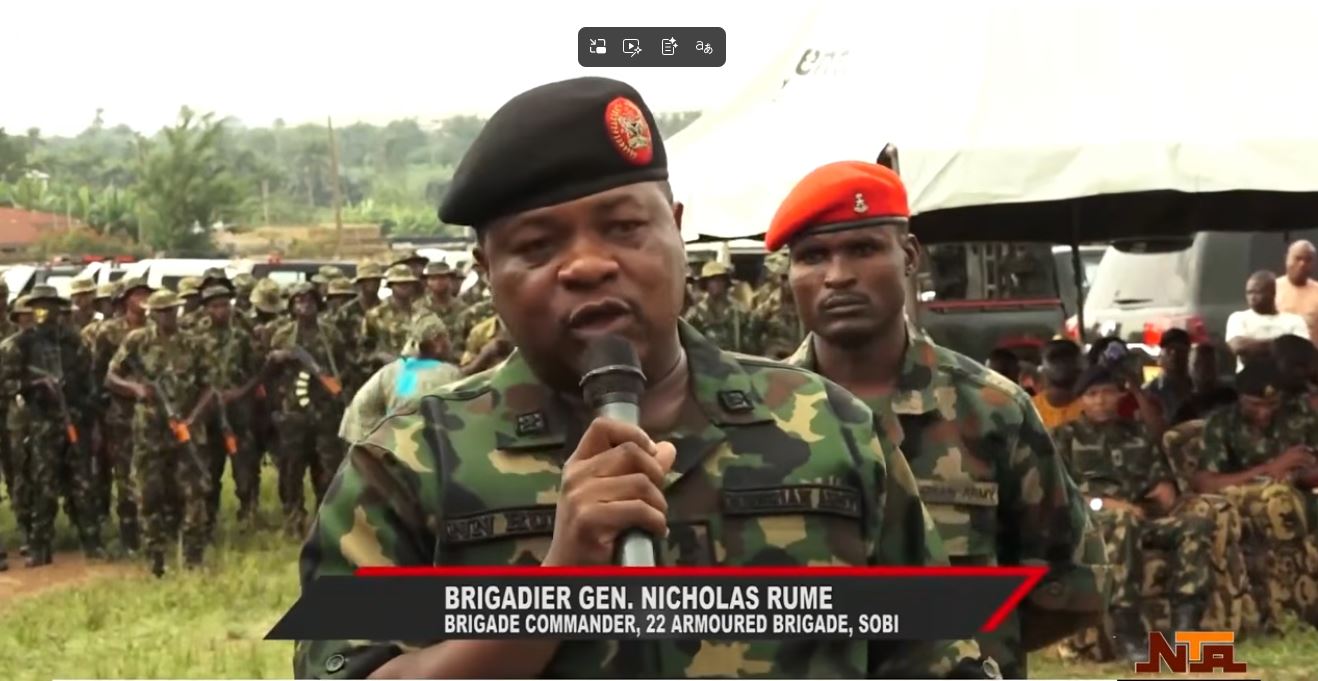
The Nigerian Defence Headquarters has consistently maintained that all foreign assistance operates under strict bilateral frameworks that respect the nation’s independence. Throughout the deployment, American personnel operated within a structured security partnership, ensuring that operational leadership remained firmly under Nigerian command authority.
The reduction of boots on the ground does not signal an end to the historic security alliance between Washington and Abuja. Both nations have reaffirmed their commitment to long-term stability in the West African sub-region.
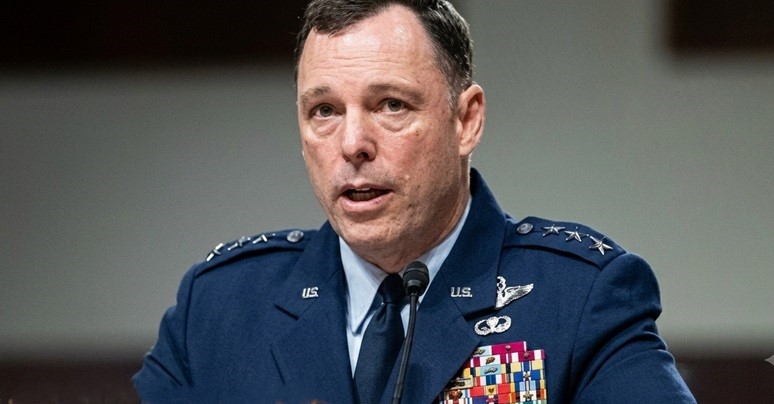
“The drawdown follows the completion of the mission’s immediate objectives. However, the two countries will continue to exchange intelligence and maintain the operational understanding needed for ongoing counterterrorism efforts.” — Gen. Dagvin Anderson, AFRICOM Commander
The Future of US-Nigeria Security Ties
While the physical troop presence has been scaled back, the core pillars of the bilateral security architecture remain fully intact. Moving forward, the partnership will prioritize robust intelligence-sharing networks and advisory support to consolidate the gains made against insurgent groups.
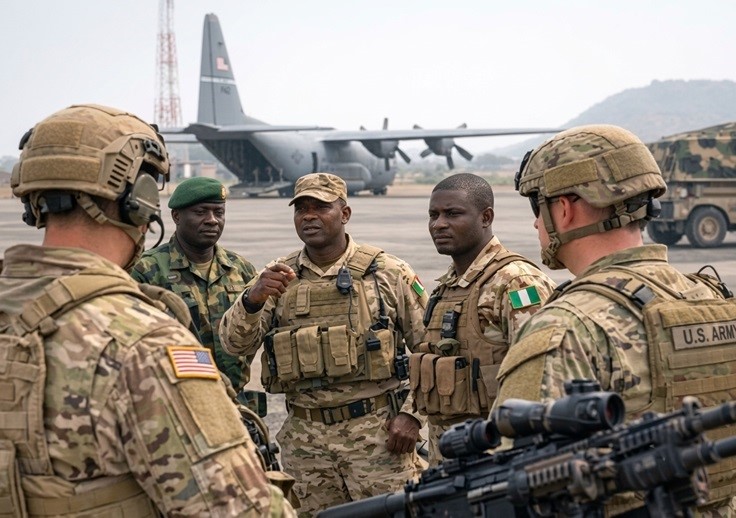
Military analysts view this transition as a positive indicator that Nigerian forces are successfully maintaining operational control and capacity in localized counterterrorism theatres.
Fast Facts: US-Nigeria Security Transition
- Deployment Timeline: Initiated in February 2026; major drawdown executed in July 2026.
- Initial Force Size: Approximately 100 American military personnel.
- Primary Mandate: Training, tactical intelligence sharing, and technical assistance against Islamic State-linked fighters.
- Post-Operation Framework: Continuous high-level intelligence exchange and diplomatic security cooperation under Nigerian command authority.
The Social Call-to-Action (CTA)
How do you view the transition of the US military role from active support to intelligence sharing in Nigeria? Have your say and join the conversation on NTA’s official X (formerly Twitter) and Facebook pages