
Compiled By: Malami Haruna Dogon daji
The Nigeria’s Federal Government and regional security organs have been placed on high alert following an audacious terror assault on Niger’s primary international aviation gateway, directly underscoring the mutating insurgent threat along Nigeria’s northern borders.
Co-ordinated assault shakes Nigerien capital
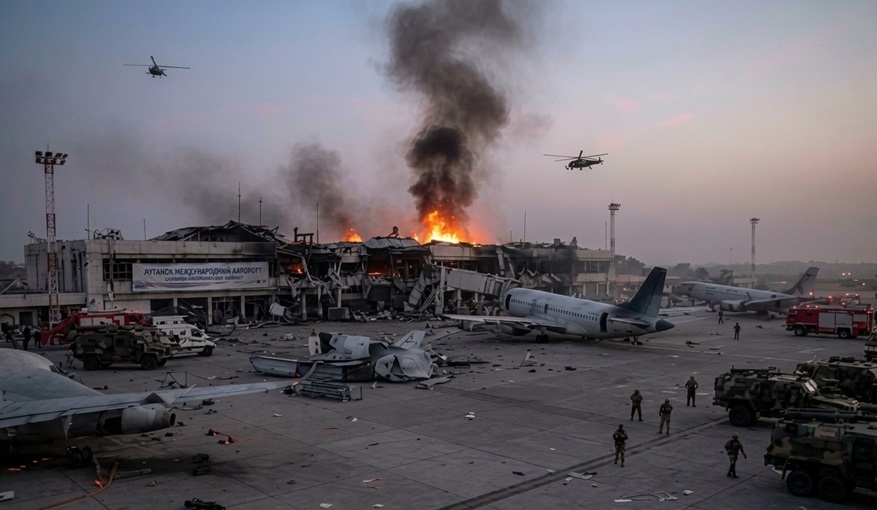
Heavy gunfire and powerful explosions erupted in the early hours of Thursday, June 18, 2026, targeting the Diori Hamani International Airport and an adjacent military airbase in Niamey. The fierce gunbattle between security forces and insurgent squads lasted for over an hour before state forces successfully restored order to the sensitive facility.
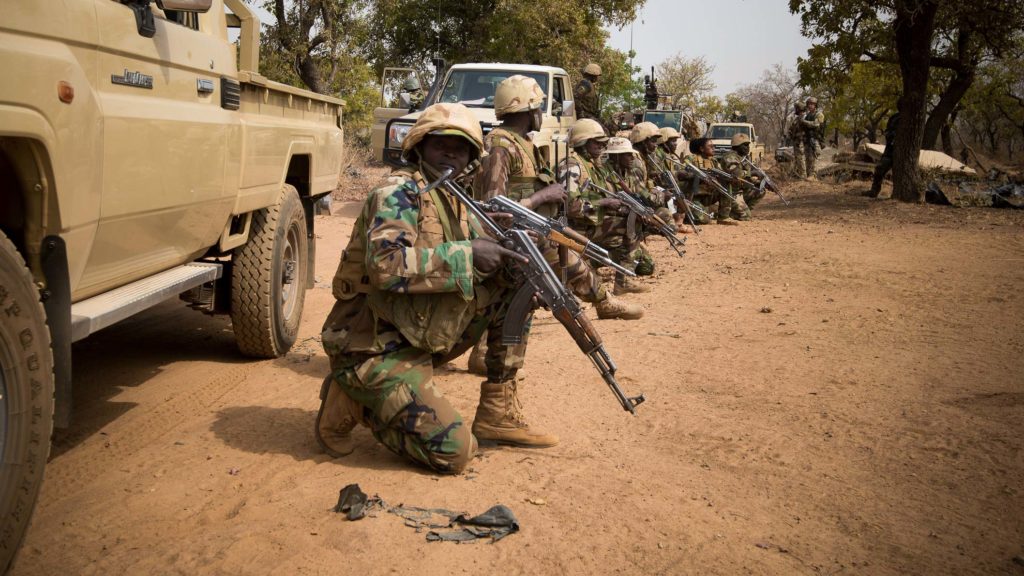
Niger’s Defence Ministry confirmed that the assault resulted in the tragic deaths of 11 military personnel and two civilians. Security forces responded with overwhelming defensive maneuvers, successfully neutralising 22 attackers on-site, while approximately 20 other suspects were reportedly taken into state custody.
The high-profile infrastructure strike was swiftly claimed by Jama’at Nusrat al-Islam wal Muslimin (JNIM), a notorious al-Qaeda affiliate heavily active across West Africa. The group issued its claim of responsibility through its official propaganda arm, the Az-Zallaqa Foundation.
Tactical shifts and regional vulnerabilities
Military analysts indicate that the attackers executed highly destructive co-ordinated assault tactics to breach the perimeter fences. The assault intentionally targeted both critical military infrastructure and sections near the civilian airport terminal and military airbase, aiming to paralyse the capital’s primary logistics hub.
“The direct assault on a heavily fortified capital airport demonstrates a terrifying level of operational confidence by JNIM. For Nigeria and the wider Lake Chad Basin, this signals that jihadist syndicates are rapidly scaling up their capacity to strike high-value state infrastructure.” Context Synthesis
A battleground of competing terror networks
This major security breach marks the second sophisticated raid on Niamey’s international airport within a six-month window, revealing a dangerous pattern of architectural vulnerability. In late January 2026, a separate faction belonging to the Islamic State (IS) West Africa affiliate launched a similar offensive, during which 20 attackers were killed.
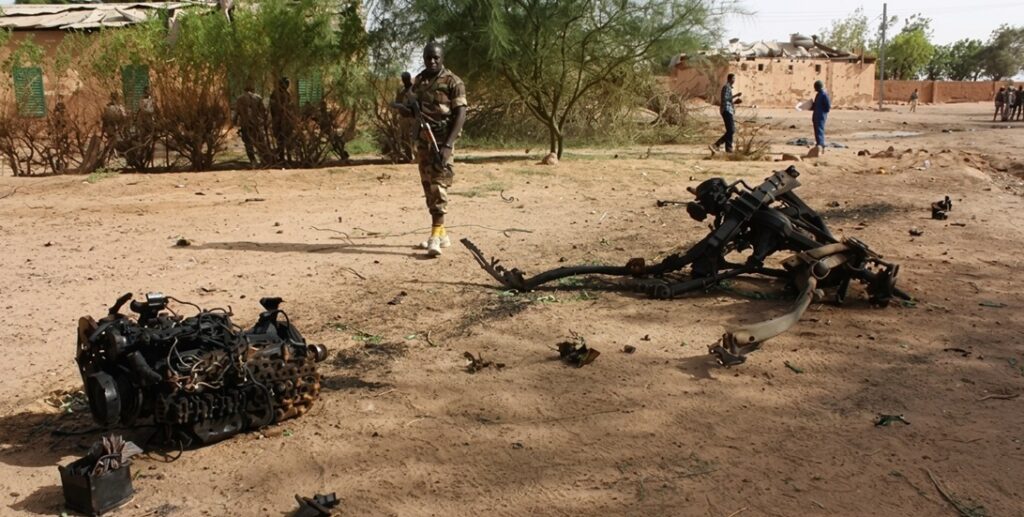
The shifting alignment of attackers from the Islamic State in January to al-Qaeda’s JNIM in June highlights a deadly proxy war for dominance between rival extremist networks in the Sahel. Diori Hamani International Airport remains an incredibly lucrative target for both factions due to its strategic role in hosting domestic military wings, international passenger flights, and foreign diplomatic assets.
Fast facts: The Niamey airport security crisis
| Detail Category | June 2026 Attack Incident | January 2026 Attack Incident |
|---|---|---|
| Perpetrating Group | JNIM (Al-Qaeda Affiliate) | Islamic State (IS) Affiliate |
| Primary Target | Diori Hamani Airport & Airbase | Airport Tarmac & Passenger Zones |
| Friendly Casualties | 11 Soldiers, 2 Civilians Killed | Not specified in sources |
| Attackers Neutralised | 22 Assailants Killed | 20 Assailants Killed |
| Tactical Profile | Co-ordinated Assault | Perimeter Infiltration & Sabotage |
| Attackers Arrested | ~20 Detained | Not reported |
The Social Call-to-Action (CTA)
How should Nigeria and its regional partners reform cross-border intelligence-sharing mechanisms to prevent competing al-Qaeda and Islamic State networks from destabilising West African capitals? Share your perspectives in the comment section below, or join the discussion with our policy experts on NTA’s official social media handles using the hashtag #NTADigital.