
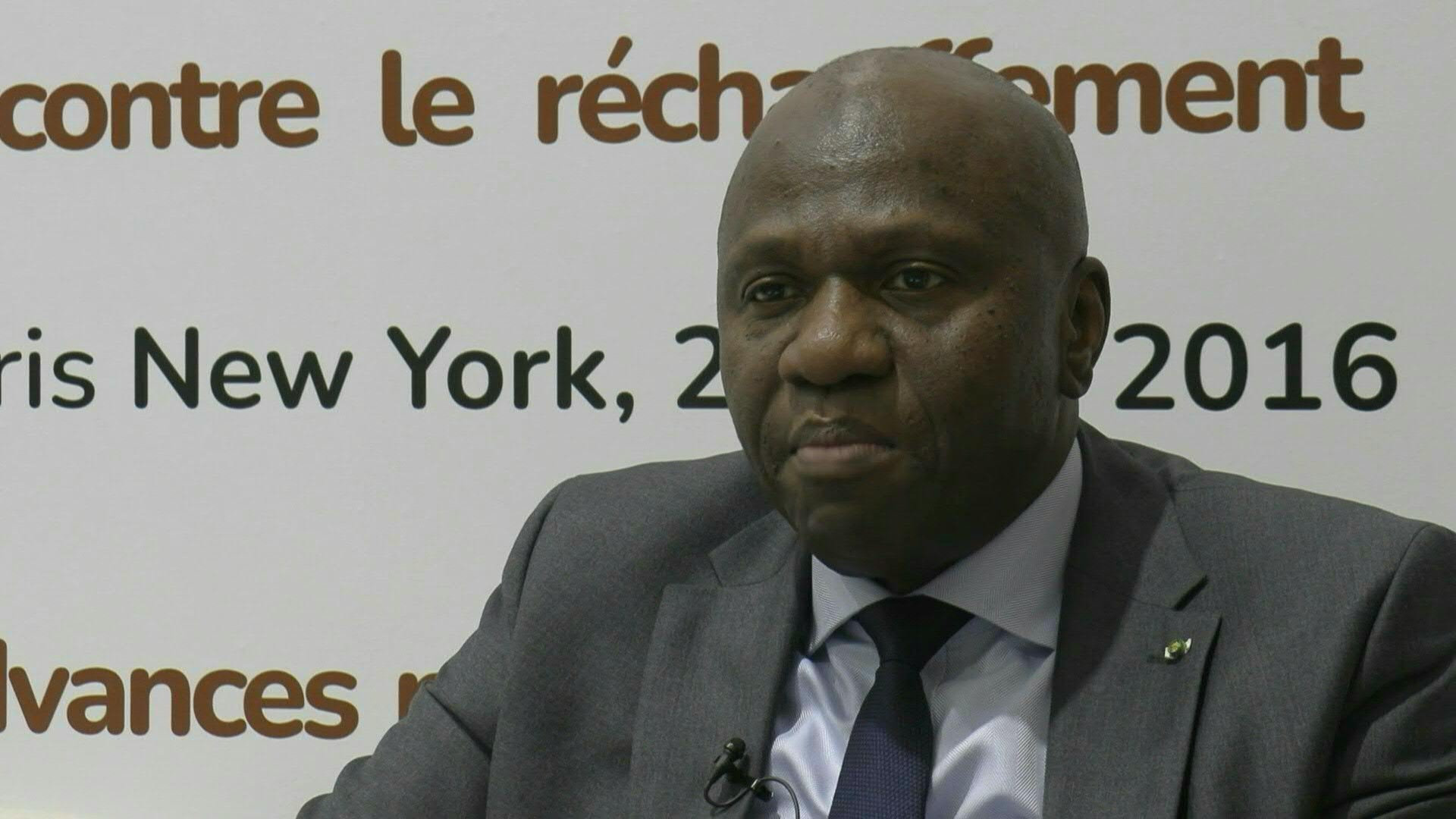
Ivory Coast’s Environment Minister Abou Bamba says African countries want developed nations to honour existing climate commitments and deliver greater climate justice, warning that the continent continues to bear a disproportionate share of climate impacts despite contributing relatively little to global emissions.
Speaking to AFP at the 31st United Nations Climate Change Conference (COP31) in Antalya, Turkey, Bamba said African countries were no longer looking for additional declarations but wanted existing agreements translated into practical measures.
“This COP should be the COP of action,” he said, calling for greater climate justice and support for countries facing severe environmental consequences despite contributing relatively little to global greenhouse gas emissions.
Africa accounts for less than four per cent of global greenhouse gas emissions but remains highly vulnerable to rising temperatures, droughts, floods, coastal erosion and changing rainfall patterns. These impacts threaten agriculture, water supplies, livelihoods and economic development across the continent.
The demand comes amid growing concerns over the availability of climate finance. African countries have repeatedly called for more accessible funding to help them adapt to climate change, strengthen infrastructure and recover from climate-related disasters.
At COP29 in Baku in 2024, developed countries agreed to take the lead in mobilising at least $300 billion annually for developing nations by 2035, alongside a broader ambition to scale up climate finance from public and private sources to $1.3 trillion annually. However, vulnerable countries continue to question whether the funding will reach them quickly enough.
COP31, which opened on November 9 and runs until November 20, is being positioned as an implementation-focused summit, with discussions centred on turning existing climate commitments into measurable progress.
The conference is also addressing adaptation, renewable energy, climate resilience and the financial support needed by developing countries.
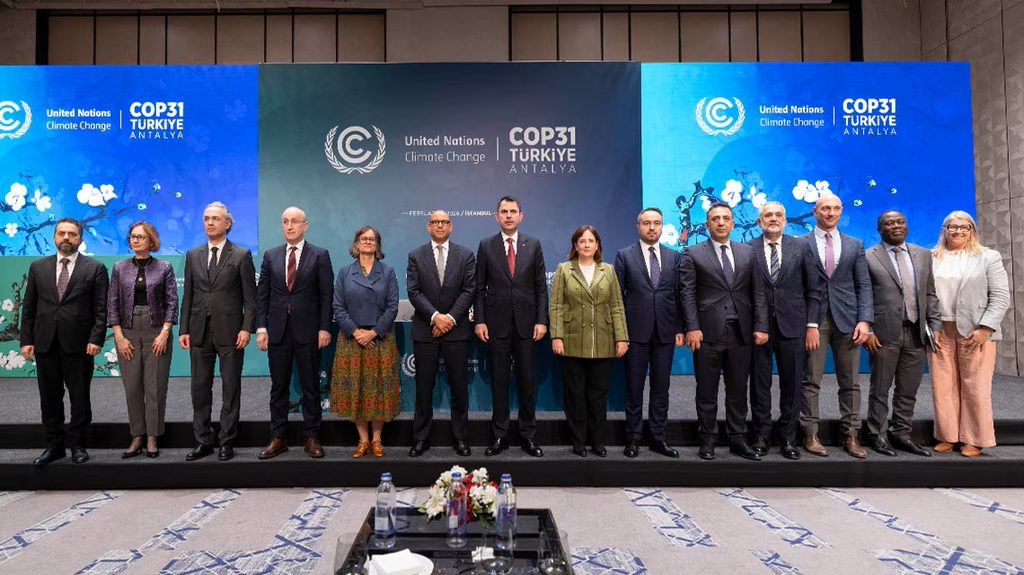
Ivory Coast has also used the summit to promote its African Climate and Ecological Transition Pact, known as PACTE, an initiative intended to improve access to climate funding for African communities and strengthen their capacity to respond to environmental challenges.
For African countries, the central issue at COP31 is therefore not simply securing new promises, but ensuring that previous commitments translate into funding, technology and practical support for communities already experiencing the effects of climate change.