
The dangerous journey across the Central Mediterranean remains a grim reality for thousands of West African migrants, as ongoing conflict and systemic exploitation in Libya force humanitarian agencies to scale up voluntary repatriation flights.
The Central Mediterranean Trap
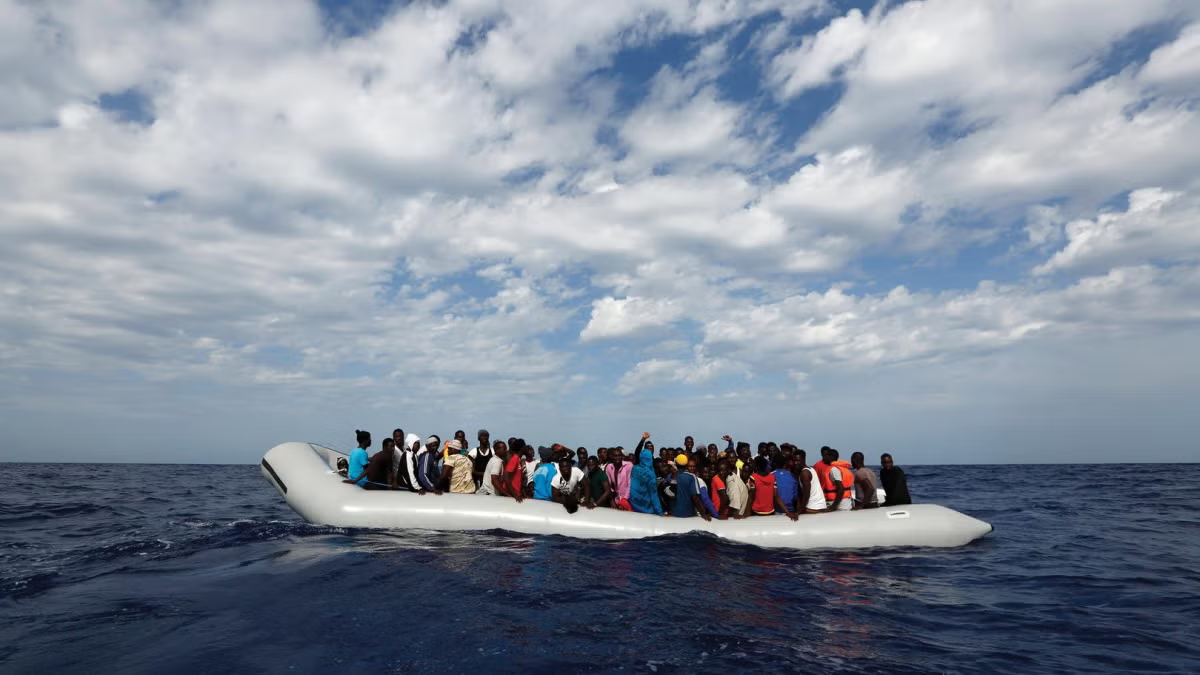
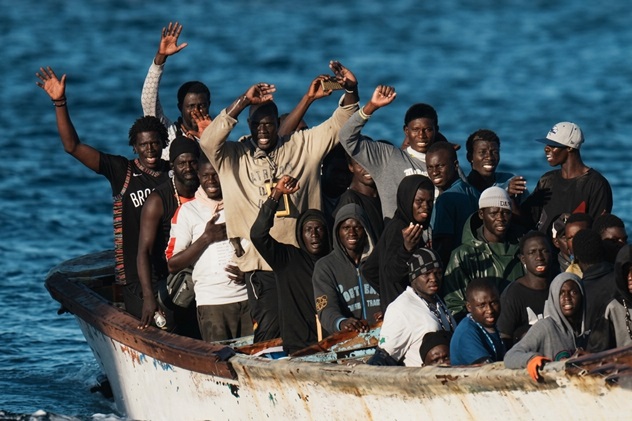
Libya continues to serve as the primary, yet treacherous, transit point for African migrants attempting to cross North Africa to reach European shores. Despite heightened maritime crackdowns and deep-seated political instability within the region, the Central Mediterranean route remains highly active.
According to data from humanitarian updates, Libya alone accounted for an overwhelming 87% of all irregular sea arrivals to Italy. This high volume highlights the persistent desperation of individuals risking overland journeys, only to find themselves trapped in a cycle of human vulnerability.
Systemic Exploitation and Humanitarian Intervention
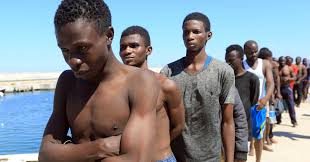
For many who survive the arduous desert crossing, the reality in Libya is defined by arbitrary detention and harsh living conditions. Rather than reaching their intended destinations, hundreds are routinely intercepted along the volatile Libya-Tunisia border or held inside overcrowded detention facilities.
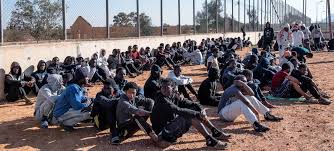
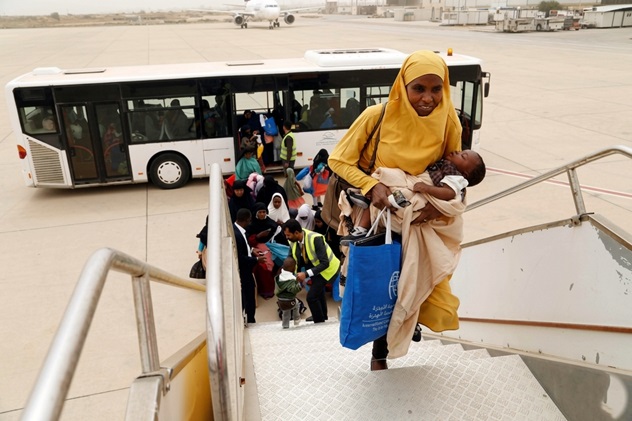
In response to this protracted crisis, the International Organization for Migration (IOM), alongside various UN-backed programmes, coordinates regular humanitarian return flights. Far from being isolated rescue missions, these operations form a structured, long-running system designed to evacuate stranded nationals who face extreme hardships.
“Libya continues to serve as a dangerous transit point for African migrants chasing Europe, with humanitarian agencies flying stranded people home in voluntary return operations after failed crossings and detention in North Africa”.
A Regional Crisis of Failed Crossings
The demographics of those seeking voluntary repatriation reflect a broad regional crisis across West and East Africa. Documented return operations have evacuated thousands of stranded citizens from multiple countries, including Mali, Ivory Coast, Burkina Faso, Sierra Leone, and Somalia.
| Year | Country of Origin | Number of Returnees | Scheme Type |
| 2018 | Ivory Coast | 154 Migrants | Humanitarian Evacuation |
| 2023 | Nigeria | 161 Citizens | UN-Backed Voluntary Scheme |
These repatriation efforts, heavily funded and coordinated via EU-IOM partnerships, underscore the structural nature of mixed migration in North Africa. For the vast majority of returnees, the flight home represents the end of a perilous journey marked by financial ruin, physical exhaustion, and failed aspirations.
Context Box:The Voluntary Humanitarian Return (VHR) Programme
- Lead Agency: Coordinated globally by the International Organization for Migration (IOM) in collaboration with local authorities.
- Primary Function: Provides a safe, legal pathway for stranded migrants in Libya who wish to return home but lack the financial means to do so.
- Scope of Assistance: Includes medical screenings, psychological support, immediate transit assistance, and reintegration grants upon arrival in their home countries.
- Funding: Primarily backed by international donors, including European Union trust funds and United Nations humanitarian frameworks.
Social Call-to-Action
What sustainable economic frameworks must West African governments implement to curb irregular migration and provide viable alternatives for the youth at home? Share your views on NTA’s social platforms using the hashtag #NTADigitalMigration.