
Author: NTA DITD, Compiled by: Malami Haruna Dogon daji
Nigeria unveils its 2060 net-zero roadmap through a bold partnership with California. But can climate ambition translate into real change for everyday Nigerians?
Introduction: A Promise Beyond the Headlines
Nigeria is making a promise to the future.
At a major climate forum linking California and Africa, the country laid out a roadmap to reach net-zero emissions by 2060. On paper, it sounds ambitious. On stage, it sounded hopeful.
But beyond the speeches and policy language lies a deeper question:
What does this really mean for the average Nigerian, someone dealing with power outages, rising food prices, and an uncertain economic future?
A Country at a Crossroads
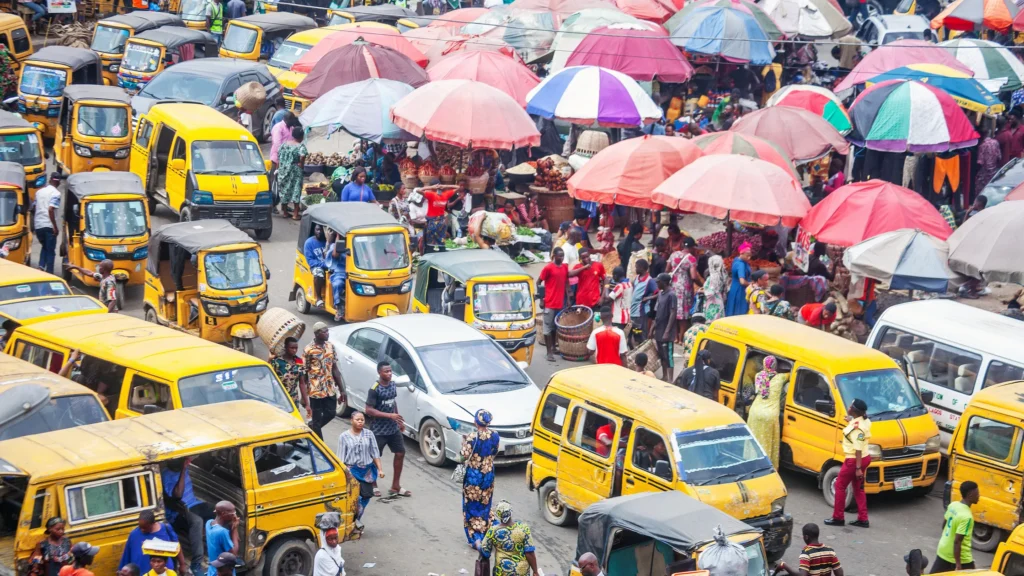
Nigeria is not just planning for the future. Africa’s largest black spot on planet Earth is trying to survive the present.
Climate change is no longer a distant threat. Floods are displacing communities. Drought is affecting farmers. Heat is intensifying daily life across cities and villages.
At the same time, the country is still building:
- Expanding electricity access
- Growing industries
- Creating jobs for a young population
This creates a difficult reality: Nigeria must grow and go green at the same time.
The California Connection: A New Kind of Partnership
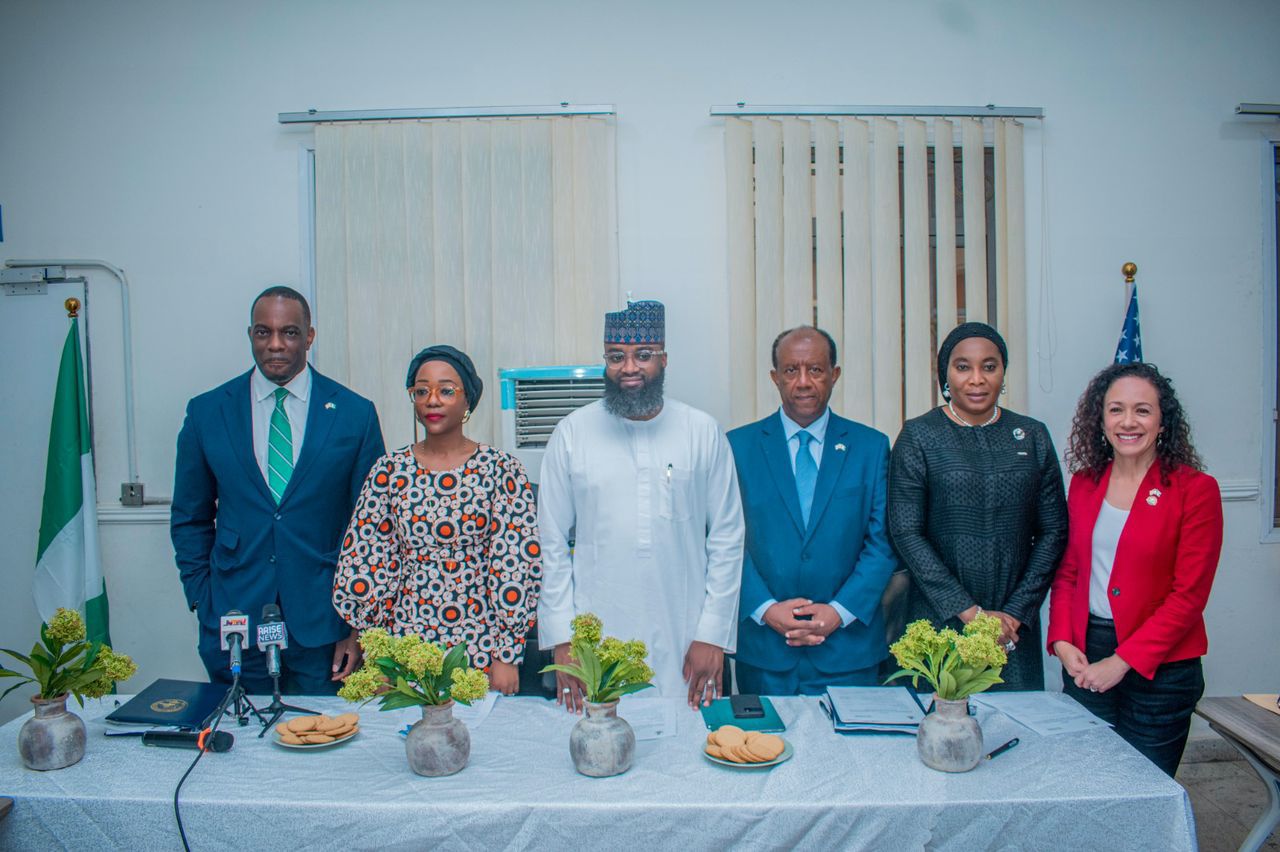
At the center of this new push is a partnership with California, one of the world’s leading regions in climate policy and green technology.
According to officials, this collaboration is not about aid. It is about exchange.
California offers:
- Experience in climate regulation
- Advanced clean technologies
- Policy frameworks that have been tested
Nigeria brings:
- A large and growing market
- Natural resources
- A rising generation of innovators
It is a shift from dependency to cooperation, at least in theory.
Where the Real Work Will Happen
The roadmap focuses on areas that touch everyday life.
Energy
Millions of Nigerians still lack stable electricity. Expanding solar and other renewable sources could change how homes, schools, and businesses function.
Transport
Urban congestion is not just frustrating—it is polluting. Cleaner transport systems could improve both health and mobility.
Methane Reduction
Gas flaring and agricultural emissions remain major issues. Tackling methane could deliver fast environmental gains.
Agriculture
Farmers are on the front-line of climate change. Climate-smart techniques could help protect food systems and livelihoods.
The Money Question: Carbon Markets and Opportunity
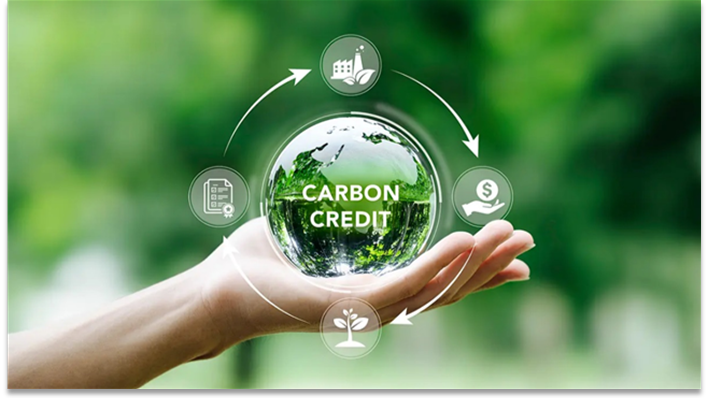
One of the biggest opportunities discussed at the forum is carbon markets.
In simple terms, they allow countries to earn money by reducing emissions.
For Nigeria, this could mean:
- New funding for green projects
- Investment in infrastructure
- Participation in a global climate economy
But there is a catch. Without strong systems and transparency, these markets can fail or benefit only a few.
What Experts Know—and What They Worry About

Weak institutions
Limited access to funding
A gap between plans and reality
Experts are not short on ideas. What concerns them is execution.
They point to:
- Inconsistent policies
- Weak institutions
- Limited access to funding
- A gap between plans and reality
Nigeria has strong ambitions. The real challenge is turning them into results people can see and feel.
What Nigerians Are Really Asking
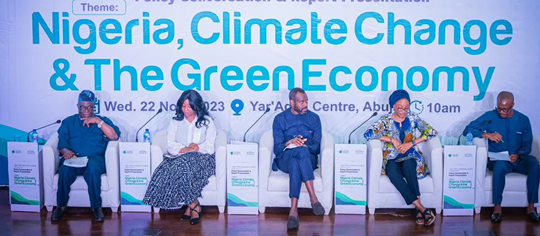
Away from conference halls, Nigerians are asking simpler, more direct questions:
- Will this improve electricity?
- Will it create jobs?
- Will it lower costs of living?
- Will it benefit ordinary people—or just officials?
These questions matter more than any policy document.
The Overlooked Challenge: Growing While Going Green
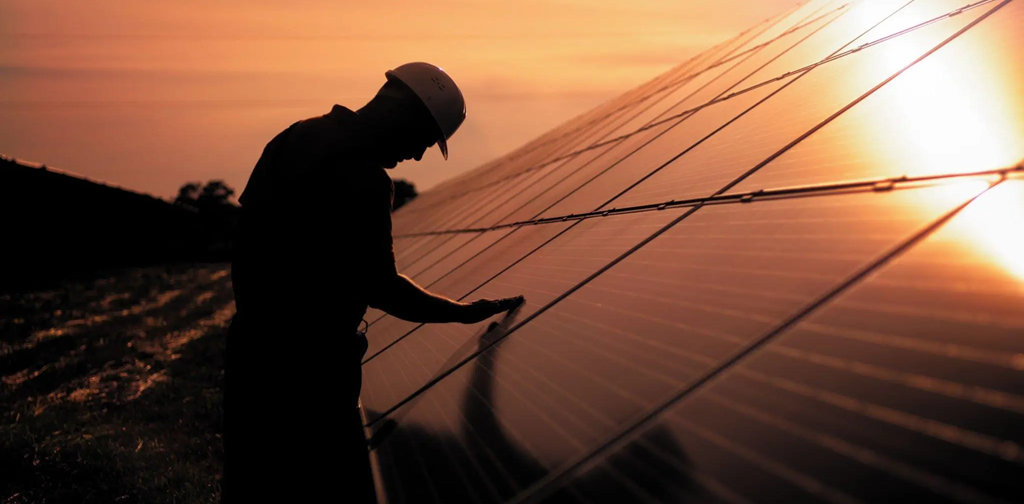
Unlike developed countries, Nigeria is still building its economy from the ground up. This means it cannot simply switch from “old systems” to “new ones.”
It must do both:
- Build infrastructure
- Reduce emissions
At the same time, this is what makes Nigeria’s climate journey uniquely difficult and globally important.
What Needs to Happen Next
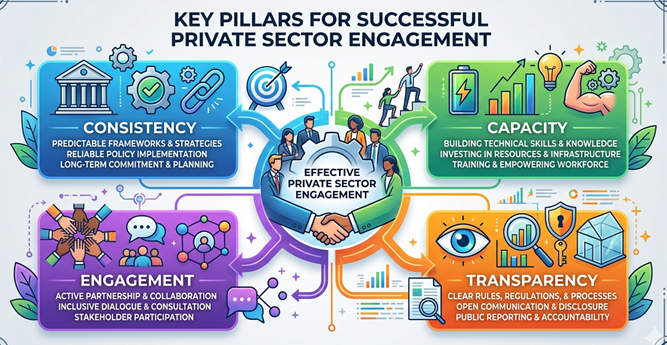
For this plan to succeed, a few things must become real, not just promised:
Consistency
Policies must remain stable over time.
Capacity
People must be trained to drive these systems.
Private Sector Involvement
Businesses must be part of the solution.
Transparency
Trust will determine success.
Why This Story Matters
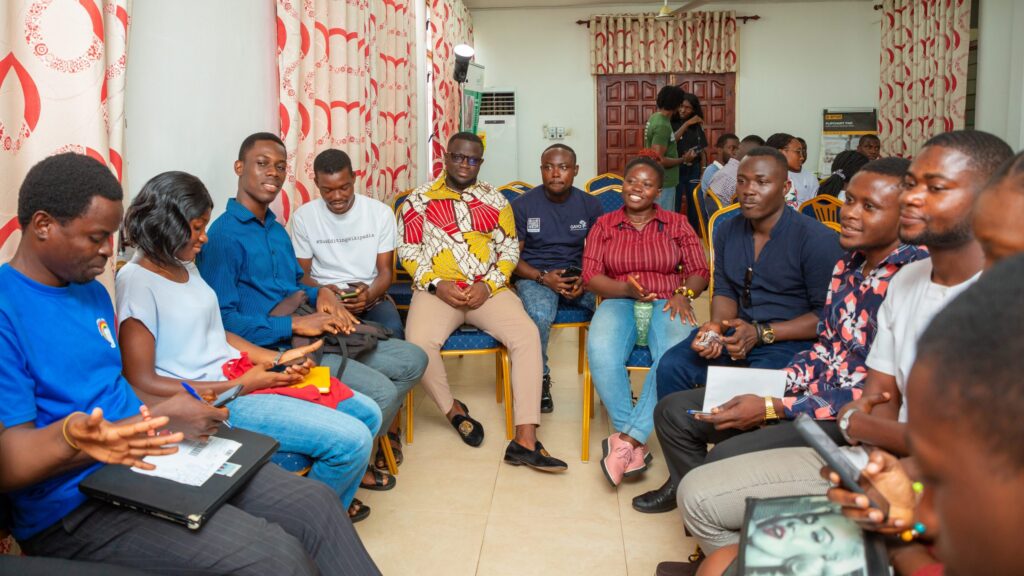
This is not just about climate change.
It is about:
- Jobs
- Economic growth
- Global relevance
- The future of millions of young Nigerians
If done right, this could reshape the country’s trajectory. If done poorly, it risks becoming another plan that never fully arrives at benefits.
Conclusion: A Beginning, Not a Breakthrough

Nigeria’s partnership with California is a step forward.
But it is only a step.
The real test will not happen at conferences.
It will happen in homes, markets, farms, and cities across the country. Those are the places where policy meets reality.
Call to Action: The Window Is Open
For investors, policymakers, and global partners, the message is clear:
Nigeria is ready, but readiness alone is not enough.
What is needed now is:
- Smart investment
- Honest collaboration
- Long-term commitment
Because the future Nigeria is aiming for is not just greener. It is more resilient. It is more inclusive and far more connected to the world.