
As Nigeria continues to steer its vast population toward a fully integrated digital economy under national technological development frameworks, the sudden, indefinite shutdown of major social media platforms in Gabon serves as a stark reminder of the delicate balance between state security and digital freedom across the African continent.
Security vs. Censorship in Libreville
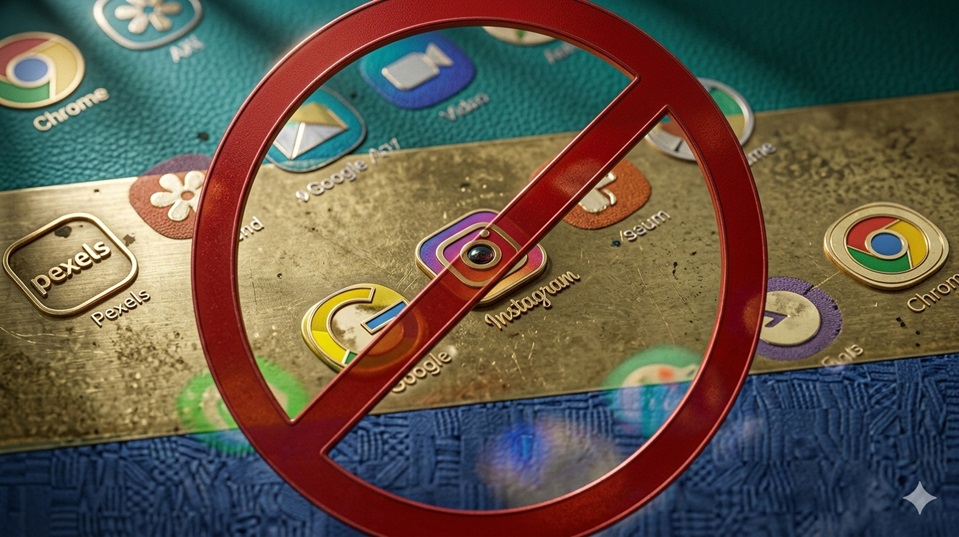
Gabon’s High Authority for Communication (HAC), the country’s media and telecommunications regulator, announced an open-ended suspension of dominant social media platforms to curb what it termed “conflict-inducing excesses.” Facebook and TikTok were no longer available in Gabon on Wednesday, February 17, 2026, hours after the media regulator announced their suspension.

In a televised broadcast, HAC spokesman Jean-Claude Mendome asserted that the drastic measure was designed to intercept “inappropriate, defamatory, hateful, and insulting content” threatening national stability and public morality. While the state framed the blackout as a necessary intervention against cyberbullying and fake news, the enforcement effectively disrupted access to Instagram, WhatsApp, and YouTube nationwide.
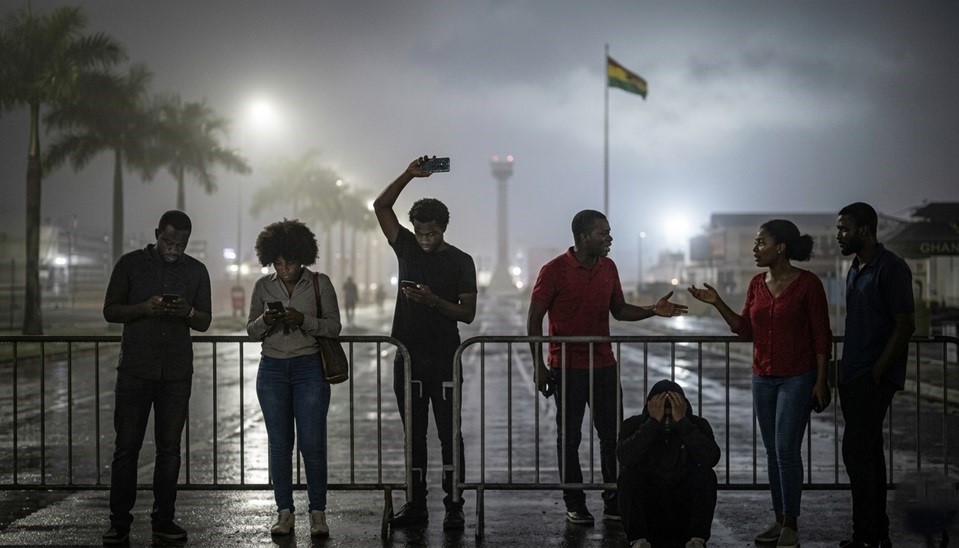
Economic and Political Backlash
The abrupt, open-ended nature of the suspension—ordered “until further notice”—has plunged Gabonese businesses and civil society into legal and technical uncertainty. Local enterprise groups report severe disruptions to daily commerce, given how heavily small and medium-sized enterprises (SMEs) rely on these digital spaces for marketing, customer engagement, and financial coordination.
Opposition figures and international human rights advocates have roundly condemned the ban, characterising it as political censorship disguised as regulatory oversight. Critics argue that without a transparent timetable or an independent appeal mechanism, such sweeping blackouts merely stifle legitimate public dissent during periods of heightened political tension.
The Gabonese Digital Halt: Fast Facts
- Regulator in Focus: High Authority for Communication (HAC).
- Enforcement Date: Mid-February 2026.
- Primary Targets: Facebook and TikTok (with systemic disruptions to WhatsApp, Instagram, and YouTube).
- Official Rationale: Safeguarding national security, public morality, and institutional stability against hate speech.
- Economic Impact: Immediate disruption to SME marketing, retail communications, and informal digital trade.
Insight & National Calibration: Lessons for Nigeria
The unfolding situation in Gabon offers profound, dual-edged lessons for Nigeria as both a nation-state and a people. It forces a critical examination of how digital governance impacts economic resilience and social cohesion.
1. The Economic Peril of Total Disruptions
For a powerhouse like Nigeria, where the informal sector and tech-savvy youths drive the economy through social commerce, a total digital blackout is an economic self-inflicted wound. Modern trade relies on constant connectivity. Weaponising network shutdowns to solve political friction risks alienating foreign tech investments and destroying thousands of legitimate digital livelihoods overnight.
2. The Responsibility of the Digital Citizen
Conversely, the justification cited by Gabon—the spread of defamatory, hateful, and institutional-degrading content—is a real vulnerability that African democracies must confront. For a diverse and multicultural country like Nigeria, the abuse of digital privileges to incite ethnic or religious friction poses a genuine national security threat. True digital patriotism demands that citizens exercise self-regulation and media literacy, ensuring that freedom of speech does not degenerate into freedom to destabilise.
3. The Need for Independent, Transparent Regulators
The primary failure in Gabon is the lack of institutional transparency; an indefinite ban without judicial review breeds distrust. Nigeria’s regulatory bodies must learn that public compliance is built on trust, not unilateral enforcement. If regulatory interventions become necessary to curb cybercrimes, they must be guided by clear legislative frameworks, definitive timelines, and open channels for legal appeal to protect the constitutional rights of law-abiding citizens.

The Social Call-To-Action
What is your take? Can a nation successfully balance national security requirements without crippling its digital economy, or are social media shutdowns an outdated tool of political control? Let us know your thoughts in the comment section on NTA’s social media handles using the hashtag #NTADigitalGovernance.