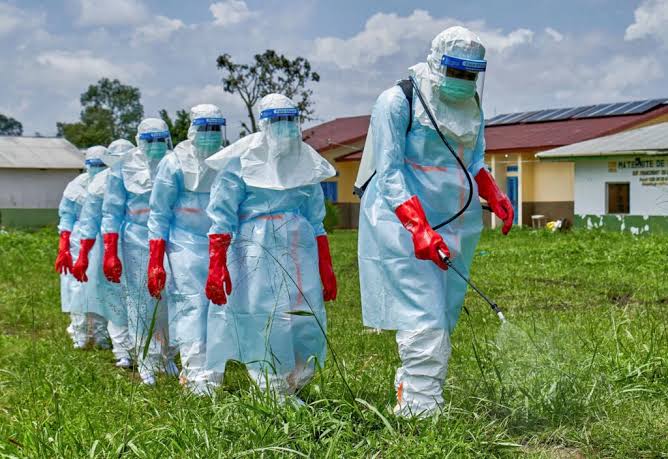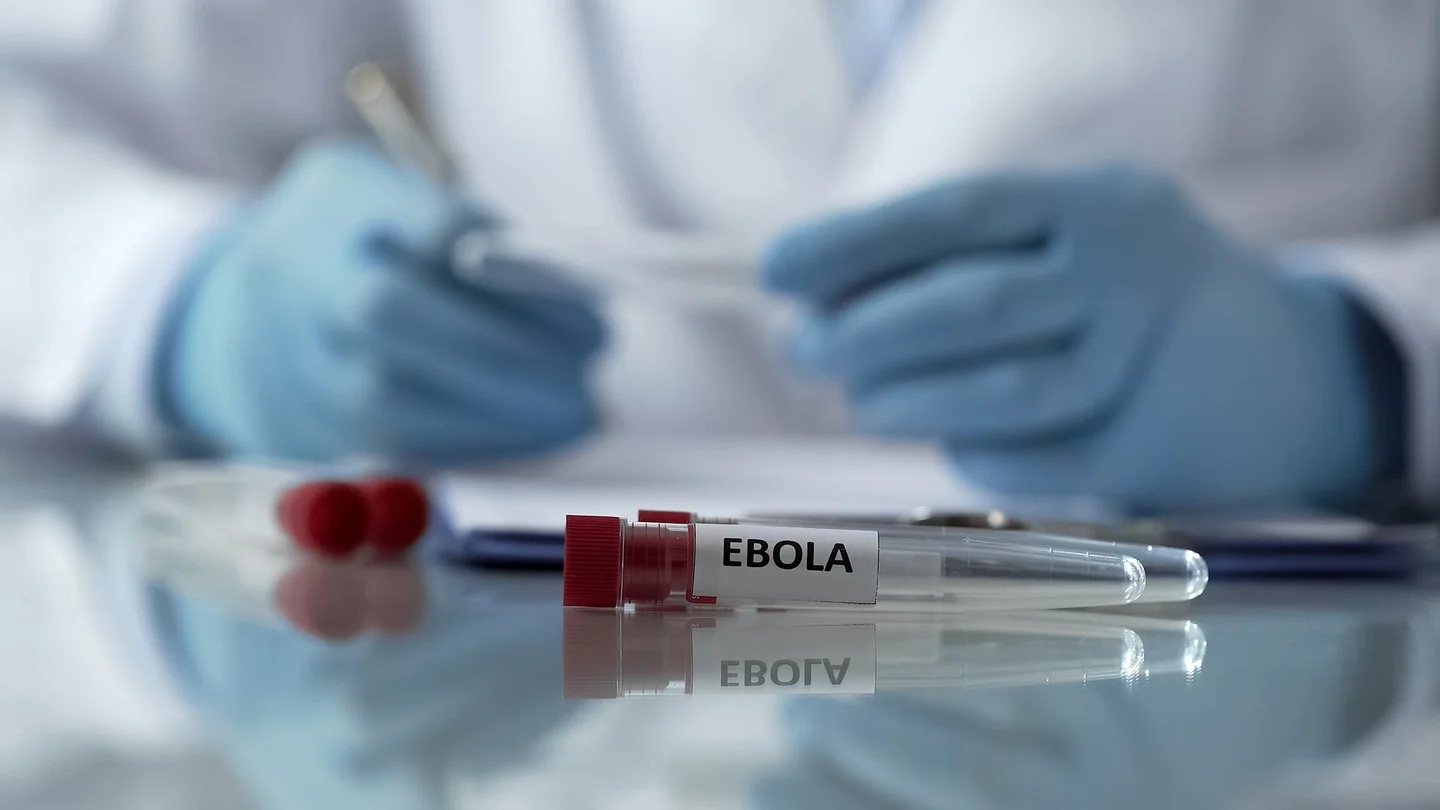

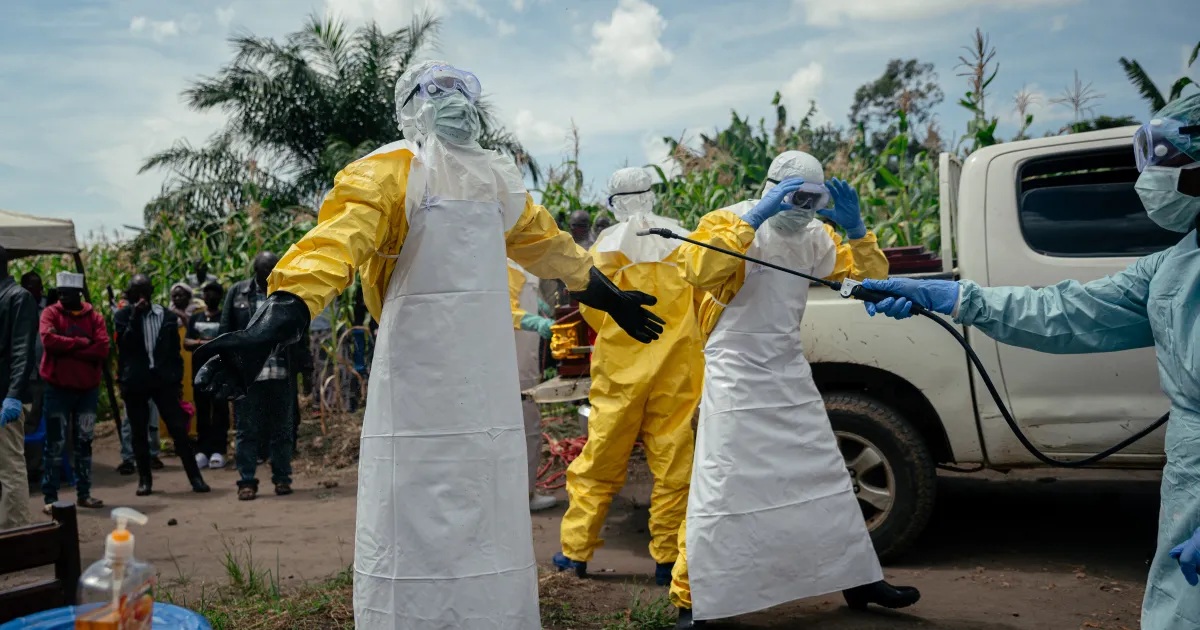
The Democratic Republic of Congo is facing its largest Ebola outbreak on record, with the rapidly spreading Bundibugyo strain putting renewed pressure on a health system already strained by conflict, displacement and limited resources.
The Democratic Republic of Congo is confronting an escalating Ebola crisis, with more than 6,000 confirmed infections and nearly 3,000 deaths recorded since the outbreak began in May. The latest figures released by Congolese authorities on Monday, August 31, put the number of confirmed cases at 6,041, with 2,911 deaths and more than 1,300 recoveries.
The scale of the outbreak has already surpassed the country’s previous major Ebola epidemic of 2018–2020, making the current crisis the largest Ebola outbreak recorded in the Democratic Republic of Congo. Health authorities are now facing the difficult task of slowing transmission while trying to reach communities where insecurity, displacement and limited healthcare access are making surveillance and treatment increasingly difficult.
At the centre of the outbreak is the Bundibugyo virus, a relatively uncommon Ebola strain that has previously caused outbreaks in Uganda and the Democratic Republic of Congo. The current epidemic has spread across six provinces and 60 health zones, with Ituri emerging as the main epicentre. Cases have also been reported in North Kivu, South Kivu, Haut-Uélé, Bas-Uélé and Tshopo, raising concerns that continued movement of people could carry the virus into additional communities.
A Virus Without a Specific Vaccine
One of the biggest difficulties facing health workers is that there is currently no vaccine specifically approved for the Bundibugyo strain.
Authorities have nevertheless begun vaccinating frontline workers with Ervebo, a vaccine approved for the Zaire strain of Ebola. Scientists are studying whether existing vaccines could provide some protection against Bundibugyo, while research continues into vaccines and treatments specifically designed for the strain responsible for the current outbreak.
For responders on the ground, the challenge is not limited to medical treatment. Identifying infections quickly, tracing people who have been exposed and isolating suspected cases all depend on health workers being able to move safely and maintain contact with affected communities.
The Numbers May Not Tell the Whole Story
Behind the official figures is another concern: the possibility that some infections are going undetected.
The World Health Organization has warned that surveillance gaps, particularly in remote and conflict-affected areas, could mean the recorded numbers do not represent the full extent of transmission. As more health zones report infections, authorities face a race against time to identify cases before infected people move into new communities.
The situation also carries a regional dimension. The Democratic Republic of Congo shares borders with several countries, including Uganda, which has itself experienced Bundibugyo outbreaks. Although Uganda has declared its recent outbreak over, health authorities continue to monitor the border for signs of possible transmission.
A Familiar Fight With New Challenges
The Democratic Republic of Congo is no stranger to Ebola. The country has experienced multiple outbreaks since the virus was first identified there in 1976, giving its health workers considerable experience in surveillance, contact tracing, community engagement and outbreak response.
But experience does not eliminate the challenges created by conflict, population displacement and weak health infrastructure. The current outbreak is testing those systems at a time when reaching vulnerable communities is already difficult.
International organisations and Congolese authorities are therefore intensifying efforts to detect cases, isolate patients, trace contacts, vaccinate frontline workers and engage communities. Their success will depend not only on medical supplies and expertise, but also on the ability to reach people in some of the country’s most difficult and insecure areas.
For now, the rising numbers are a warning that the outbreak remains far from contained. More than 6,000 infections and nearly 3,000 deaths have transformed what began as another Ebola outbreak into the largest such crisis Congo has ever recorded. As responders work to contain the Bundibugyo virus, the challenge is increasingly about how quickly they can reach the people who may be carrying it before the disease moves further.