
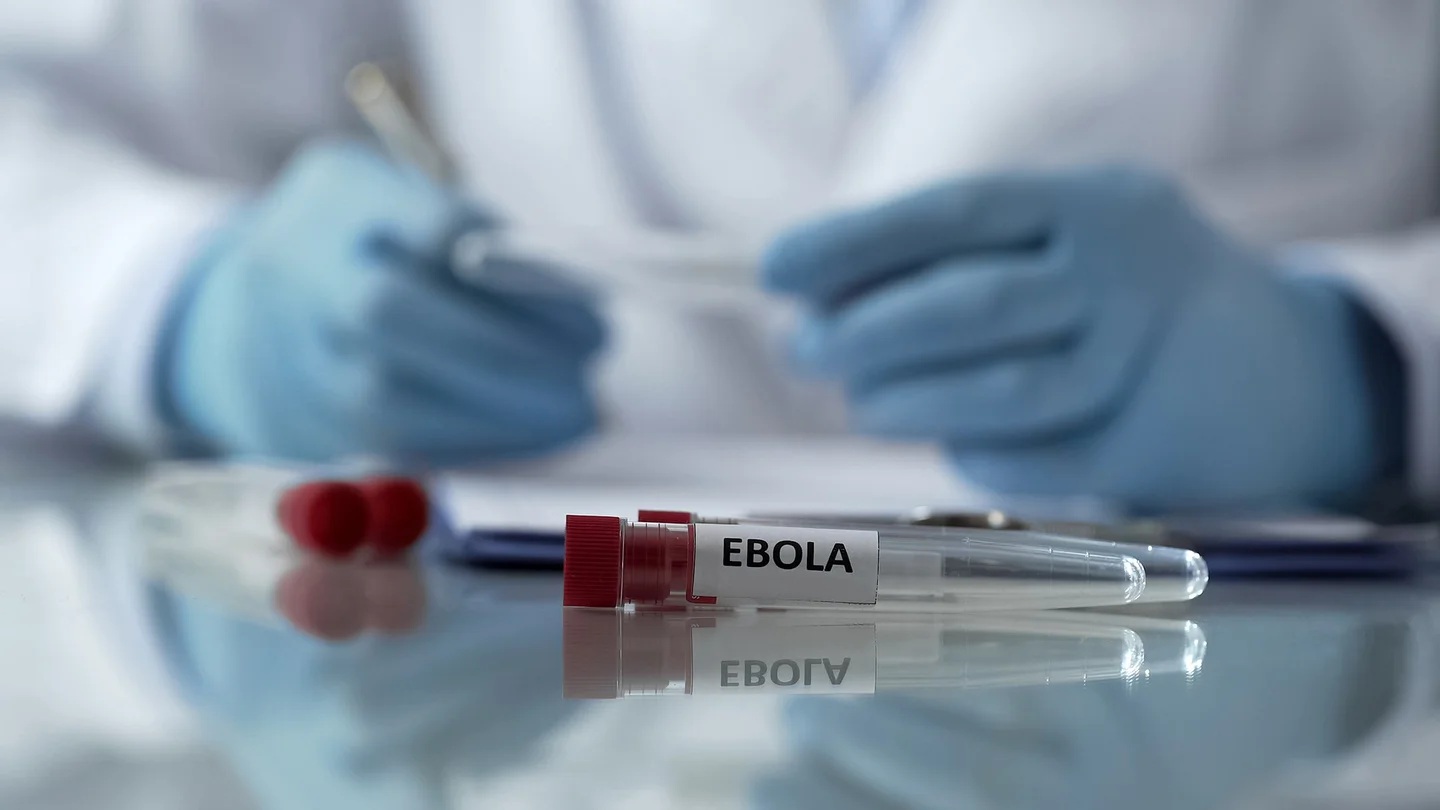
Ebola is a rare but severe infectious disease that can cause serious illness and death. Following Nigeria’s confirmation of an imported Ebola case in Abuja on October 20, 2026, understanding how the virus spreads, recognising its symptoms and knowing how to protect yourself and your family have become increasingly important.
Ebola is caused by viruses that can lead to severe illness in humans, damaging organs and disrupting the body’s normal functions. The disease can be fatal, but prompt medical attention and supportive care can improve a patient’s chances of survival.
What are the symptoms?
Early symptoms
– Fever
– Severe headache
– Extreme tiredness and weakness
– Muscle pain
– Sore throat
Other symptoms that may develop
– Vomiting and diarrhoea
– Abdominal pain
– Skin rash
– Impaired kidney or liver function
– Bleeding in some cases, particularly in severe illness
Symptoms usually develop 2–21 days after infection. Ebola symptoms can resemble malaria, typhoid and other illnesses, so symptoms alone cannot confirm the disease.
How does Ebola spread?
Ebola spreads mainly through direct contact with the blood or other bodily fluids of an infected person who has developed symptoms, or someone who has died from the disease. It can also spread through contaminated clothing, bedding, medical equipment and other objects.
Infection can occur when these materials contact broken skin or the eyes, nose or mouth. Contact with infected wild animals may also transmit the virus.
Ebola does not spread through the air like measles. People infected with Ebola are not considered contagious before symptoms begin.
How can you protect yourself?
Wash your hands regularly with soap and clean running water or use an appropriate alcohol-based hand sanitiser.
Avoid direct contact with the blood and bodily fluids of anyone suspected of having Ebola.
Do not handle the body or personal belongings of a person who may have died from Ebola without trained professionals and appropriate protective measures.
Avoid touching sick or dead wild animals and do not handle or eat their raw meat.
Follow official health advisories and avoid spreading unverified reports or rumours.