
Compiled By: Malami Haruna Dogondaji
22 OCTOBER, 2026
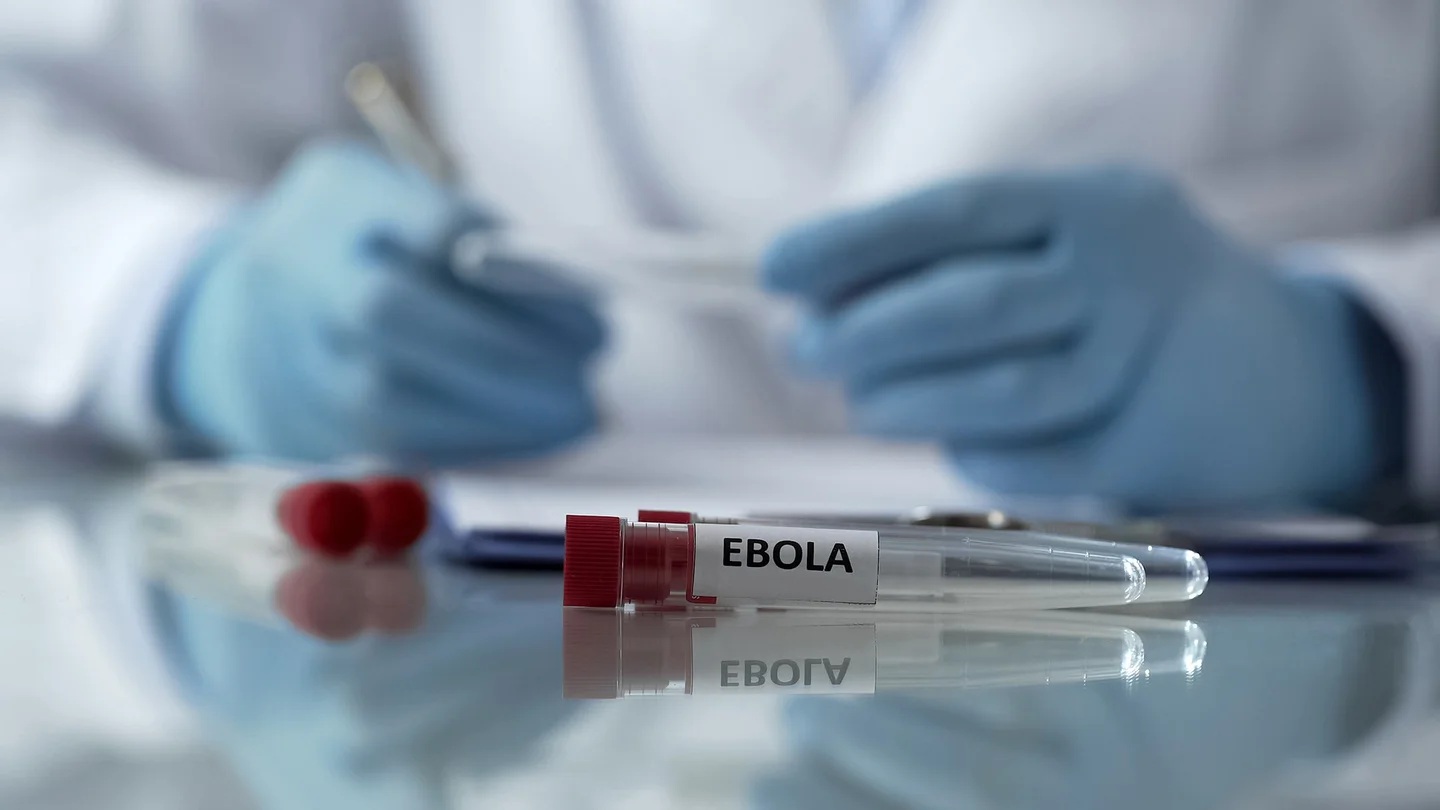
Nigeria has activated an emergency public health response after confirming its first Ebola case in 12 years. Authorities are isolating the patient, tracing contacts, screening travelers and preparing hospitals to prevent the virus from spreading.
What happened
Health officials confirmed one imported case of Ebola Bundibugyo virus disease in Abuja on 20 October 2026. The patient, a woman who traveled from Uganda, is in isolation and receiving medical care.
The case is linked to the Bundibugyo strain behind a major outbreak in the Democratic Republic of the Congo. Health authorities say there is currently no approved vaccine or specific treatment for this strain in Nigeria.
How Nigeria is responding
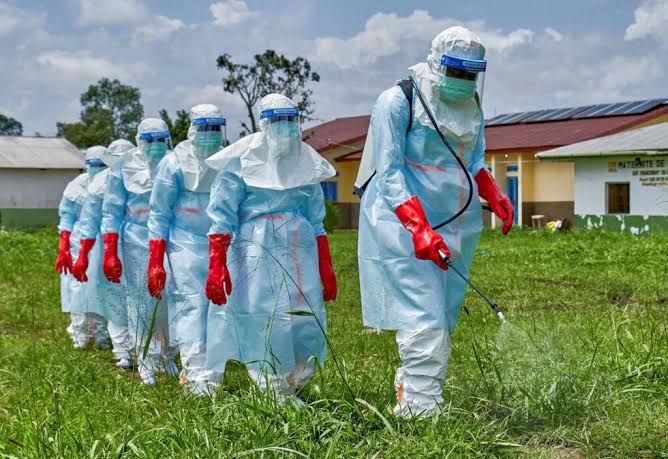
The Federal Ministry of Health, the Nigeria Center for Disease Control (NCDC) and state governments are working together to contain the virus. Their focus is early detection, safe treatment and stopping transmission before it reaches the wider community.
- Contact tracing: Officials have identified 44 close contacts, including health workers, hospital patients, caregivers and people connected to the patient’s travel route.
- Isolation and treatment: The patient is isolated and receiving care, while isolation and treatment centers are being assessed nationwide.
- Border screening: Authorities are strengthening checks at airports, seaports and land borders, with trained port health officers, thermal scanners, protective equipment and isolation rooms.
- Hospital preparedness: Hospitals have been directed to identify and isolate suspected cases quickly, report them to authorities and follow strict infection-control rules.
- State action: States including Kano, Niger, Kaduna, Plateau, Kogi and Nasarawa have activated preventive measures, surveillance and public awareness campaigns.

State measures
Niger State has activated its Public Health Emergency Operations Centre and deployed surveillance officers for contact tracing, clinical assessment and referrals.
Kano State has reactivated its emergency operations centre and placed it on high alert.
Kaduna State is strengthening health-facility readiness and planning awareness campaigns at motor parks and railway stations.
Why it matters
Nigeria last recorded Ebola in 2014, when an imported case led to an outbreak that killed eight people. The country was later declared Ebola-free after rapid contact tracing, isolation and public communication.
The new case is imported, but Abuja is a major travel and government centre. Quick action is therefore important to prevent community transmission.
Facts at a glance
| Fact | Detail |
|---|---|
| Confirmed case | One imported Ebola Bundibugyo virus disease case |
| Location | Federal Capital Territory, Abuja |
| Confirmation date | 20 October 2026 |
| Patient | A woman who traveled from Uganda to Nigeria |
| Arrival in Nigeria | 3 October 2026 |
| Symptoms began | 7 October 2026 |
| Current status | In isolation and receiving medical care |
| Close contacts | 44 people identified for monitoring |
| Border response | Screening strengthened at airports, seaports and land borders |
| Hospital response | Early detection, isolation, reporting and infection prevention. |
| Treatment challenge | No approved vaccine or specific treatment for the Bundibugyo strain in Nigeria |
| Nigeria’s last outbreak | 2014, which killed eight people |
What the public should do
Ebola spreads through direct contact with the blood or body fluids of an infected person. People should wash their hands regularly, avoid contact with sick people’s body fluids and seek medical help early if symptoms appear.
Anyone who has travelled from Uganda, the DRC or another affected country and develops fever, vomiting, diarrhoea or unexplained bleeding should seek medical care immediately and tell health workers about their travel history.
Call to action
Follow official updates from the NCDC, the Federal Ministry of Health and the World Health Organization. Do not spread unverified claims about Ebola; share verified information and encourage anyone with symptoms after travel to affected areas to seek care early