


Compiled By: Malami Haruna Dogon daji
In an unprecedented recalibration of global diplomacy, the United States has intensified visa restrictions against several African nations, using immense diplomatic leverage to externalise its domestic migration crises onto continental soil.
Recent investigative tracking reveals that Washington is actively combining strict visa penalties with opaque third-country deportation arrangements. Over forty deportees have already been transferred directly to Africa under secretive bilateral agreements. These operations currently involve at least five to seven African states, including Eswatini, South Sudan, Rwanda, Ghana, and Uganda.
The systemic pressure manifests through sweeping visa restrictions targeting a significant share of African states. These punitive measures range from outright travel bans to mandatory visa bonds costing up to $15,000 for individual applicants. Concurrently, non-national migrants are being quietly flown out of the US into third-party African territories where they possess no historical or familial ties.
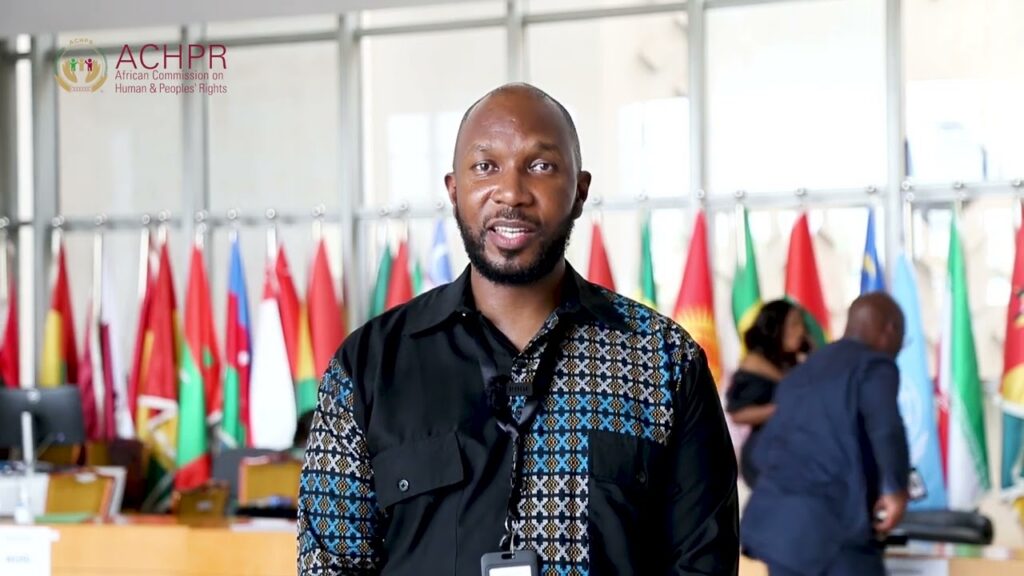
“The expansion of these opaque arrangements raises severe due-process concerns, shifting legal, humanitarian and security burdens onto sovereign African states without transparency or public oversight,” – Allan Ngari, Africa advocacy director at Human Rights Watch, said.
Inheriting Foreign Security Risks
Straining Local Infrastructure
By absorbing these externalised populations, hosting states face profound immediate risks to their domestic security frameworks. Local detention centres, intelligence networks, and immigration protocols are being severely strained by individuals with unresolved legal statuses and limited documentation.
The Threat of Hardened Criminals
The security risks intensify when the transfers involve convicted offenders. In the well-documented cases of deportations to Eswatini across 2025 and 2026, the US acknowledged that the men transferred were convicted criminals. Moving such high-risk individuals into foreign systems without ironclad screening can trigger institutional overload, radicalisation, and localised escape crises.
Fast Facts: The Global Shift in Migration Control
- The Scale: More than 40 non-national deportees have been sent to African soil under secretive third-party frameworks.
- The Visa Toll: African applicants face aggressive hurdles, including travel restrictions and $15,000 financial bonds.
- Real-World Precedent: The US previously mirrored this aggressive strategy by deporting Venezuelan migrants to El Salvador’s highly restrictive Cecot prison.
Protecting African Sovereignty
For African governments, the immediate diplomatic or financial concessions gained from accepting these deals must be weighed against long-term stability. Opaque agreements risk fracturing public trust and turning domestic institutions into enforcement arms for foreign powers. The broader lesson remains clear: countries accepting these short-term arrangements may discover they have imported a structural security problem rather than solved an economic one.

The Social Call-to-Action (CTA)
Should African nations accept foreign migration burdens in exchange for diplomatic concessions? Share your perspective on NTA’s official X and Facebook platforms using the hashtag #NTANetwork