
The Lead
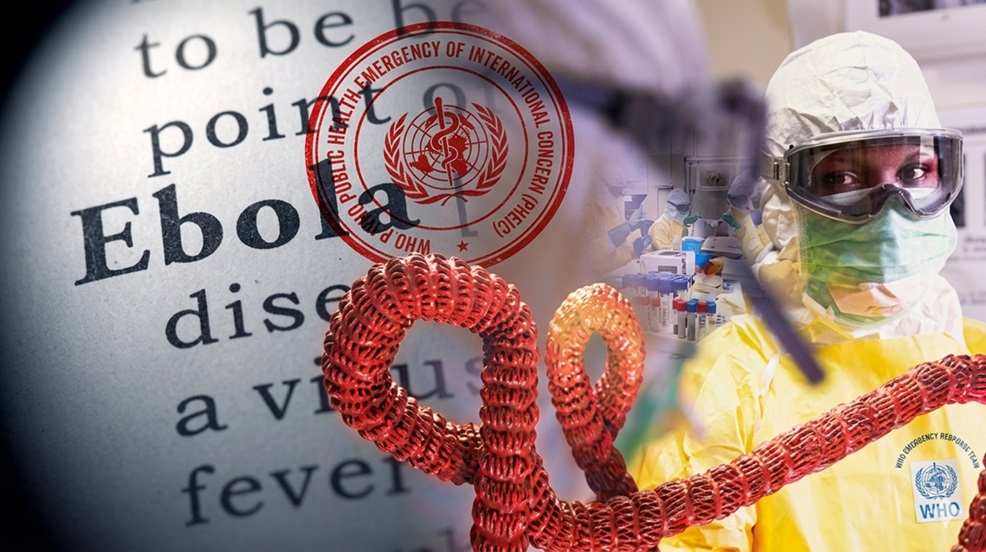
As part of Nigeria’s commitment to proactive regional health surveillance, the nation’s medical authorities are closely monitoring central Africa following official confirmation of a fresh Ebola virus disease (EVD) outbreak in the Democratic Republic of the Congo (DRC).
WHO Confirms New Strain in Ituri Province
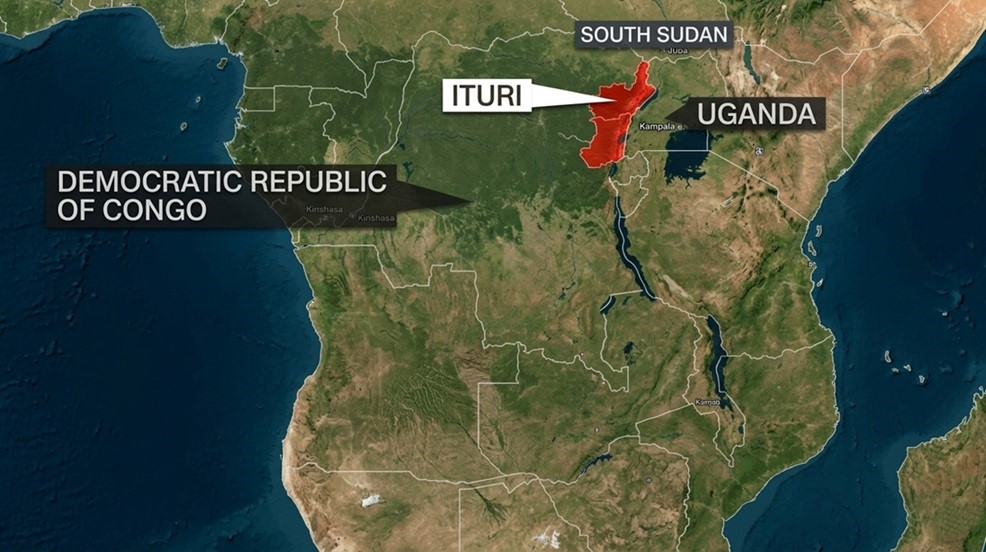
The World Health Organization (WHO) Africa office has officially confirmed a new Ebola Bundibugyo outbreak in the Ituri Province of north-eastern DRC. Emergency support is rapidly being scaled up to assist the government in Kinshasa.
This development is entirely distinct from the 16th Ebola outbreak in DRC’s Kasai Province, which was successfully declared over on 1 December 2025. Similarly, Uganda’s previous major episode in Kampala officially ended in April 2025, meaning no nationwide outbreak is currently declared in Uganda. While local media reports cite up to 139 deaths from 600 suspected cases, global health bodies are maintaining conservative baseline figures while active surveillance expands.
Clinical Realities: How the Virus Attacks
Medical experts are warning the public against complacency, stressing that the virus demands absolute clinical seriousness. Transmission occurs strictly through direct contact with infected bodily fluids—such as blood, vomit, faeces, or sweat—and contaminated surfaces.
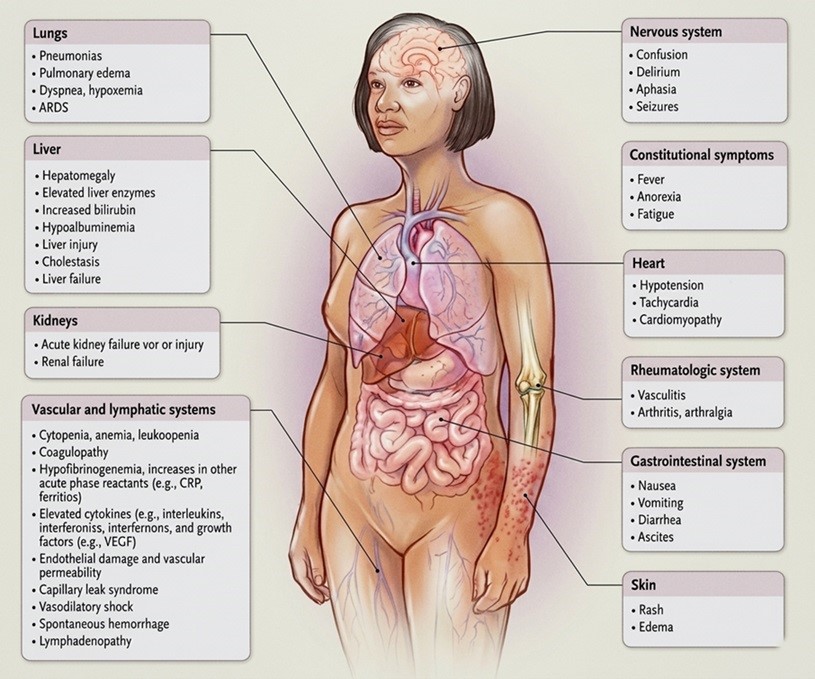
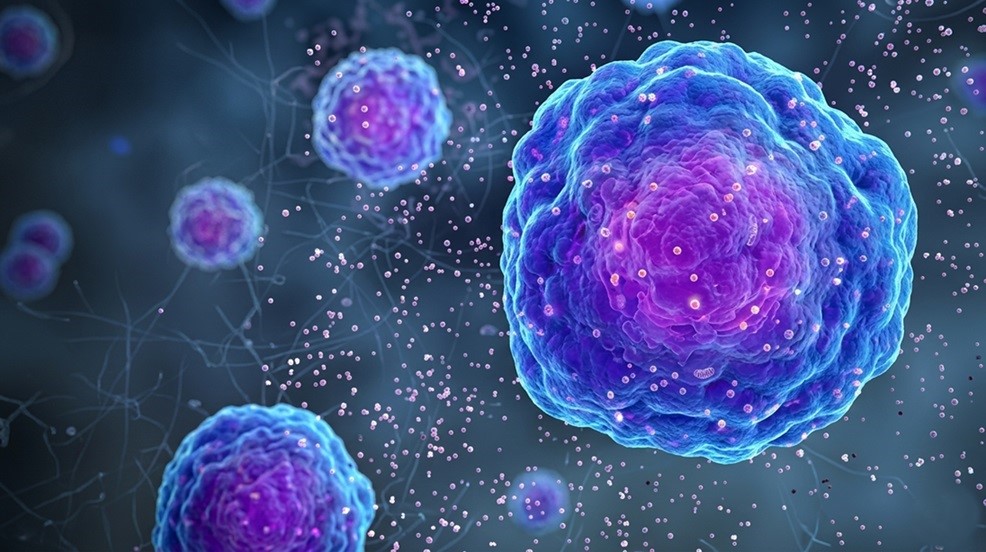
Once inside the human system, Ebola systematically disables early immune defences, triggering a hyper-inflammatory response known as a “cytokine storm.” This rapidly advances to viral sepsis and Disseminated Intravascular Coagulation (DIC), a condition where clotting and bleeding happen simultaneously, leading to multi-organ failure.
“This is not a pandemic-level concern like SARS-CoV-2, but it remains a high-consequence, focal epidemic disease,” notes popular digital clinician Dr Ahmed, translating the biological severity for the public. “Early supportive care and ring-vaccination are what shift the curve from a 90% death rate to much lower survival margins.”- (Context Synthesis)
Regional Risk vs. Global Panic
The WHO has classified the Ituri crisis as a public health emergency due to high predicted fatality rates and conflict-driven surveillance blind spots in the region. However, health officials maintain that the risk of sustained global spread remains low because the virus cannot be transmitted via casual airborne exchange. Consequently, international strategies are focusing heavily on rigorous border-screening and airport spot-checks rather than disruptive global travel bans.


Fast Facts: Understanding Ebola (EVD)
- Transmission: Strict direct contact with infected bodily fluids or contaminated materials. It is not airborne.
- Pathology: Induces immune suppression, cytokine storms, viral sepsis, and simultaneous internal clotting and bleeding (DIC).
- Current Emergency Zone: Ituri Province, North-Eastern DRC (Bundibugyo strain confirmed May 2026).
- Global Spread Risk: Formally classified as Low by the World Health Organization.
The Social Call-To-Action
With border-screening intensifying across West Africa, do you believe the current regional protocols are enough to keep Nigeria safe from spillover? Share your thoughts in the comment section on our official NTA social media platforms. @NTANetwork on X, Facebook, Instagram and TikTok