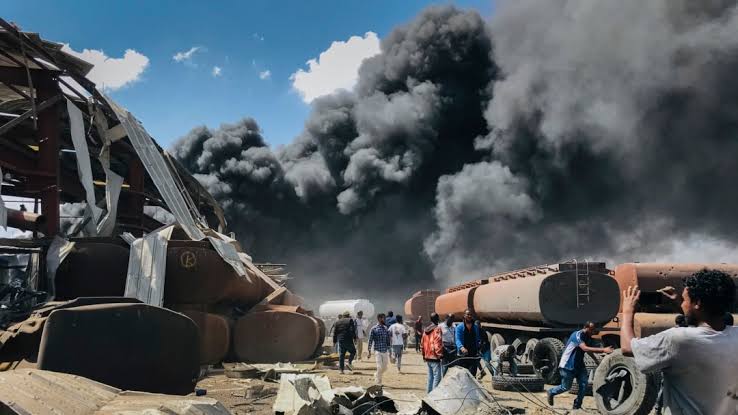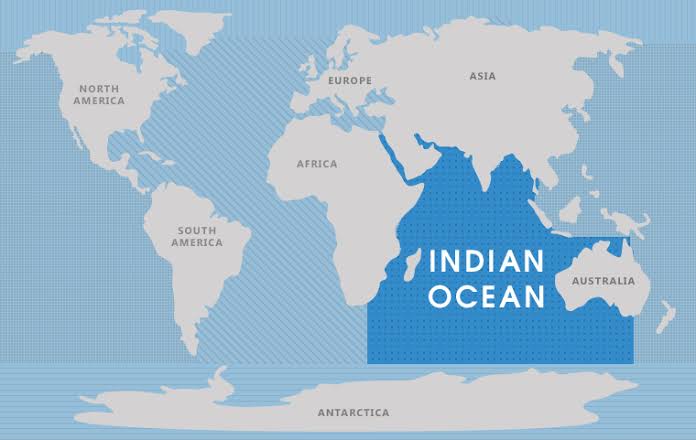

With cross-border trade acting as the lifeblood of the West African economy, Nigeria and her neighbours must prepare for heightened public health vigilance as the World Health Organisation (WHO) and Africa CDC launch a US$518 million continental Ebola response plan.
A Unified Continental Defence
The comprehensive six-month blueprint, covering the critical window from June to November 2026, aims to equip African nations to swiftly detect, prepare for, and contain the Bundibugyo strain of the Ebola virus. Presented as a continent-wide “one response” framework, the initiative is firmly led by the affected nations and backed by international partners.
This collaborative approach directly complements the national response strategies already activated by the governments of the Democratic Republic of the Congo (DRC) and Uganda. The joint programme unifies emergency coordination, surveillance, laboratory testing, infection prevention, and clinical care across the region.
The Science and the Stakes
The current outbreak presents a unique clinical challenge for the continent. The Bundibugyo virus species is the primary culprit, and the WHO has stressed that there are currently no therapeutics or licensed vaccines specifically approved for this strain.
Consequently, the entire weight of the containment strategy rests on traditional public health pillars. Rapid detection, rigorous border screening, and deep community trust are paramount because the response depends heavily on containment rather than a ready medical cure.
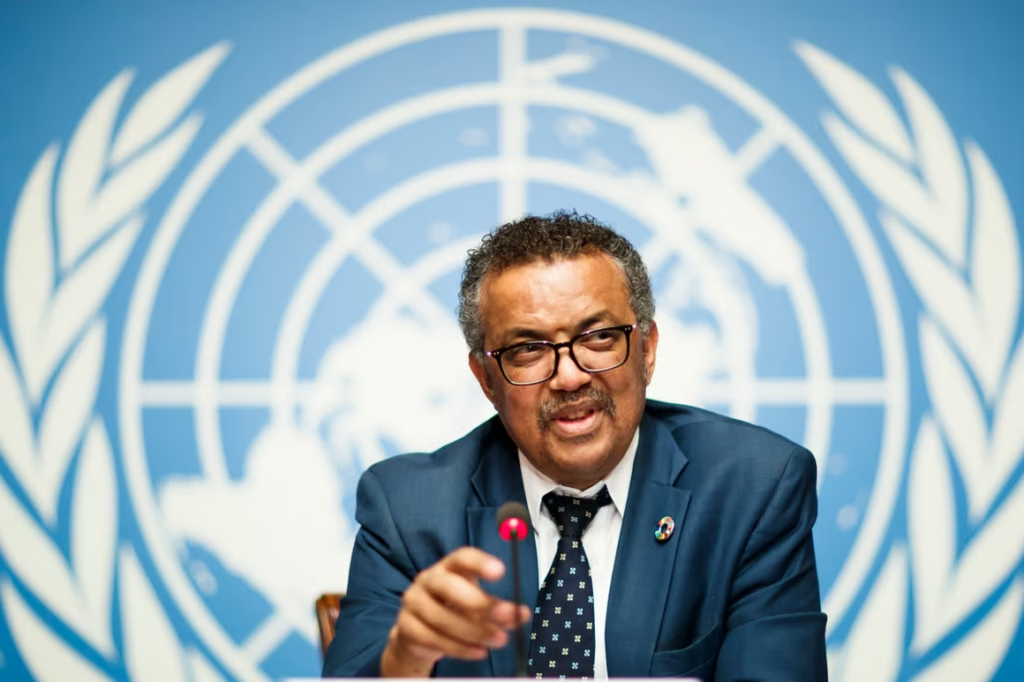
“The only way to beat the outbreak is close partnership under affected-country leadership, summarised as ‘one plan, one budget, one team’.” — Dr Tedros Adhanom Ghebreyesus, WHO Director-General.
The WHO Director-General further noted that sustained financing, political commitment, and total community participation are essential. Without active community backing, contact tracing protocols inevitably break down, allowing transmission to continue unchecked.
Priority Tiers and Nigeria’s Risk Assessment
To streamline intervention logistics, the WHO and Africa CDC have identified 10 priority countries for strengthened Ebola preparedness. This strategy is led by five Priority 1 states—the DRC, Uganda, South Sudan, Burundi, and Rwanda—alongside additional Priority 2 countries, which include Angola, the Central Republic of Africa, Ethiopia, Kenya, the Republic of Congo, Tanzania, and Yemen.
Crucially, Nigeria is not on this priority list. Official assessments categorize Nigeria as low risk, though local health advisories maintain strict vigilance regarding potential case importation.
Financial Strategy and Field Deployment
To kick-start critical field operations, the WHO has already released US$2.6 million from its Contingency Fund for Emergencies. However, the broader goal is securing the US$518 million financing target. These funds are intended to train responders, support logistics, and reinforce public health infrastructure in at-risk states.
The architecture of this response places heavy emphasis on screening at various points of entry. This demonstrates that population movement, regional commerce, and travel are central to the continent’s safety. For countries across Africa, even those not currently reporting cases, true containment hinges on rapid isolation, early detection, and extensive contact tracing, rather than relying on disruptive border closures alone.
Context Box: The Bundibugyo Outbreak Fast Facts
- Virus Strain: Bundibugyo species of Ebola.
- Response Duration: June to November 2026.
- Total Funding Required: US$518 million.
- Initial Emergency Release: US$2.6 million from the WHO.
- Priority 1 Countries: DRC, Uganda, South Sudan, Burundi, and Rwanda.
- Priority 2 Countries: Angola, Central African Republic, Ethiopia, Kenya, Republic of Congo, Tanzania, and Zambia.
- Nigeria Status: Rated low risk; omitted from the priority tiers but maintaining importation screening.
5. The Social Call-to-Action (CTA)
How confident are you in the current health screening measures at our regional borders and international airports? Share your thoughts with us on NTA’s official X and Facebook pages using #NTAHealthSecurity.