
The Lead
As Nigeria’s population hits an estimated 230 million, the 2026 agricultural calendar opens under a shadow of climate volatility, forcing a high-stakes confrontation between traditional farming instincts and the cold realities of modern meteorological policy.
The Trap of the ‘Pseudo-Rain’
The Director-General of the Nigerian Meteorological Agency (NiMet), Prof. Mansur Bako Matazu, has issued a stern warning against the “false onset” of the rainy season. This phenomenon, often termed ‘pseudo-rainfall’, lures eager farmers into early planting, only for the moisture to vanish and leave crops to wither.
“I want to break it to the typical farmer now: that is a false onset of the rainy season. They should wait. When they plant, they are going to lose all their seeds because the rain will come and all of a sudden it will seize.” — Prof. Mansur Bako Matazu
Heatwaves: A Biological Threat to Livestock
The 2026 season is not merely a battle of water, but of survival against extreme heat. Temperatures reaching up to 44°C are reportedly causing catastrophic biological failures in the livestock and aquaculture sectors.
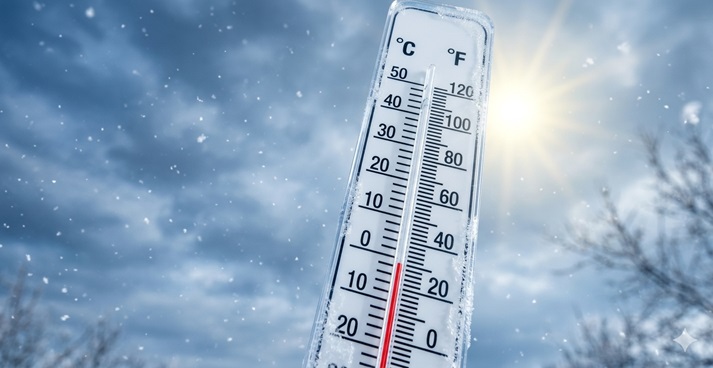
- Poultry: Experts note that at 44°C, a chicken’s liver can simply rupture, leading to total flock loss.
- Ruminants: High heat prevents goats from kidding and cows from calving, directly threatening Nigeria’s milk supply.
- Aquaculture: Rising water temperatures in ponds prevent fish from thriving, adding further strain to protein availability.
Digital Defence Against ‘Fake’ Seeds
With rainfall predicted to be lower than in 2025, the demand for drought-tolerant and early-maturing seeds is at an all-time high. However, desperation has opened the door for the sale of “brown grain”—unproductive consumption grain masquerading as viable seed.
To protect the farmer’s investment, Dr. Ishiak Khalid of the National Agricultural Seeds Council (NASC) has announced a digital surveillance and verification breakthrough.
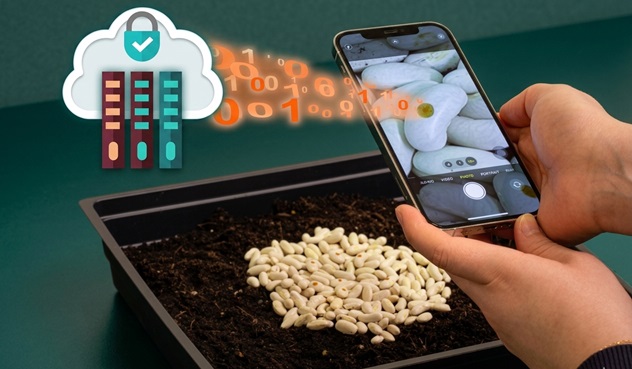
“What we are doing at the Council is to ensure that no ‘fake’ or ‘brown’ grain is sold to farmers as seeds… We are digitalizing the seed tags so a farmer can verify the variety and the maturity period via a simple SMS code before they put their money down.” — Dr. Ishiak Khalid
Fast Facts: The 2026 Agricultural Outlook
- The Affordability Gap: Analysts observe that food is often available in markets like Garki, Abuja, but remains out of reach due to a crisis of “purchasing power” rather than physical scarcity.
- Extension Crisis: Nigeria’s extension services remain “stuck in the 1980s,” with a significant gender gap preventing male agents from reaching female farmers in culturally sensitive areas.
- Seed Logistics: The Institute of Agricultural Research (IAR) in Zaria remains the primary hub for breeding, but high travel costs often prevent rural farmers from accessing these specialized hybrids.
Bridging the Implementation Gap
The success of the 2026 harvest depends on more than just weather; it requires the “synchronized” efforts of research institutes and seed councils working months ahead of the first rains. Mr. Irimiya Sharon, representing the producers’ perspective, emphasised that support must arrive within the specific planting window to be effective.
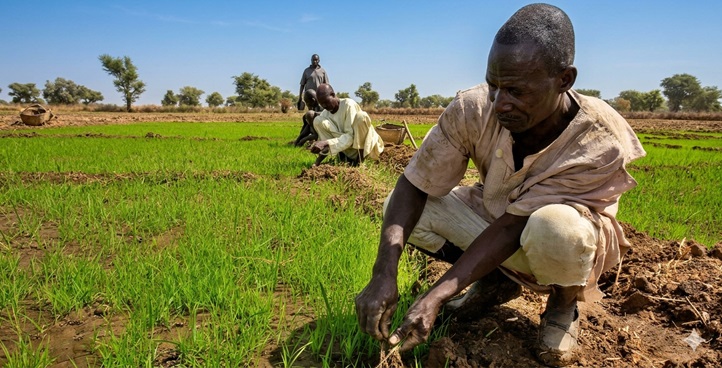
Furthermore, the “face of the Nigerian farmer” is changing. To prevent a labour vacuum, experts argue that extension services must be digitised to attract the youth back to the soil, moving away from manual systems that have failed to scale.
The Social Call-to-Action:
Are you seeing signs of “pseudo-rains” in your local government area? Or are you a farmer worried about the cost of drought-tolerant seeds? Have your say on the NTAnetwork Facebook and X (formerly Twitter) pages. Your voice matters to our food security.