


Compiled By: Malami Haruna Dogondaji
ABUJA, NIGERIA – As millions of Nigerians navigate daily commuting challenges marked by fragmented transit systems and escalating costs, a sweeping federal reform promises to recalibrate the nation’s movement.
Diagnosing Nigeria’s Transport Status
The current Nigerian transport system suffers from heavy fragmentation, over-reliance on road networks for both passenger and freight movement, and inadequate integration across different transit modes.
Professor Umar Adam Katsayal, Vice Chancellor of the Federal University of Transportation Daura, noted these structural vulnerabilities while speaking on the Nigeria Television Authority (NTA) flagship programme, Good Morning Nigeria. The absence of a unified framework has historically left commuters vulnerable to arbitrary fare hikes, safety compromises, and inefficient logistics chains.
Policy Actions and Paradigm Shifts
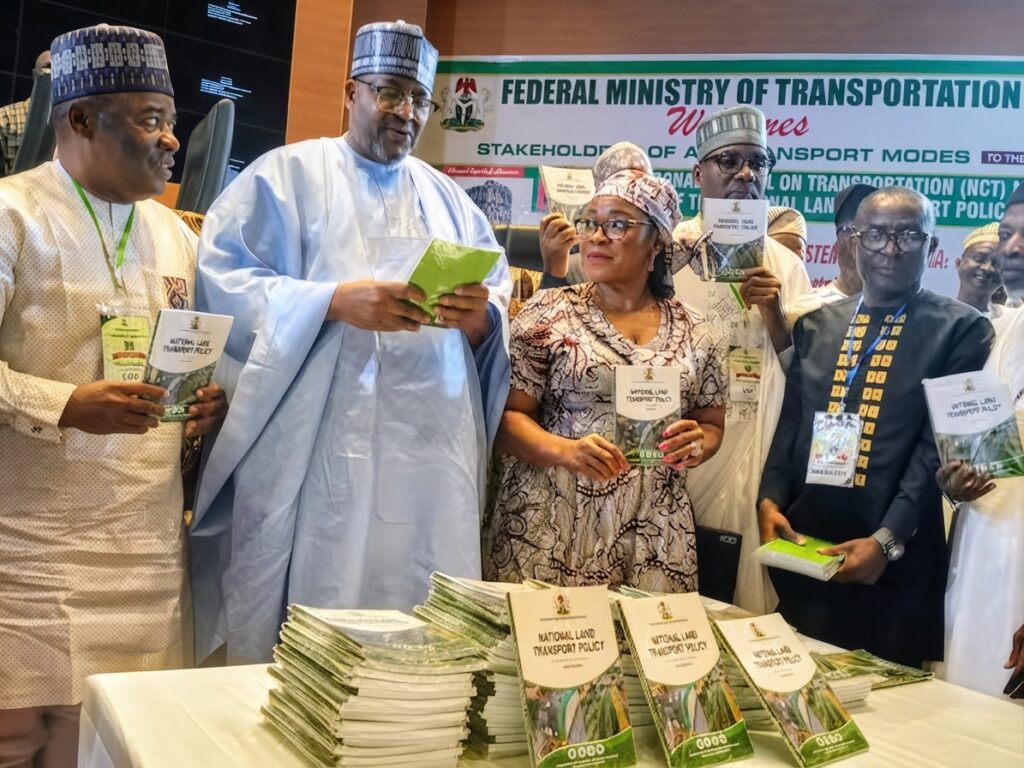
To reverse this trajectory, the Federal Government is rolling out the National Land Transport Policy designed to establish clear operational standards and regulatory oversight. Professor Katsayal emphasised that the framework moves beyond ad-hoc interventions to institutionalise long-range planning.
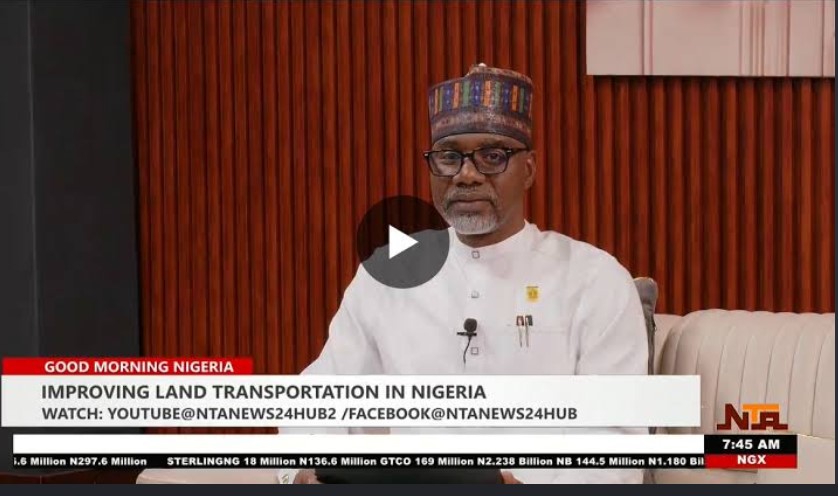
“The Federal Government’s National Land Transport Policy will transform Nigeria’s transportation sector by promoting safer, integrated and affordable mobility.”
— Professor Umar Adam Katsayal, Vice Chancellor, Federal University of Transportation Daura
Under this policy, statutory shifts are bound to change how commercial transport operators are licensed, monitored, and supported. Safety protocols will become mandatory, and intermodal connectivity—seamlessly linking rail, road, and mass transit systems—will replace isolated transport hubs.
Supporting Public Life and Economic Mobility
An integrated transport network directly impacts the daily livelihood of the average citizen by reducing transit hours and curbing inflation on goods transported by road. Affordable and predictable mobility translates directly into lower cost of production, reduced traffic fatigue for the workforce, and enhanced access to education, healthcare, and commercial centers across the federation.
Global Lessons and Local Integration
Transforming Nigeria’s transport sector requires looking at successful international benchmarks where structured urban mass transit and digitised logistics dictate urban flow. Integrating these models means deploying intelligent transport systems (ITS), enforcing strict vehicle maintenance standards, and formalising artisanal transport unions into structured corporate entities.

FAST FACTS: THE POLICY
• Focus: Safe, integrated, and affordable mobility
• Target: Standardization of commercial transport
• Core Strategy: Inter-modal connectivity (Rail & Road)
The Social Call-to-Action (CTA):
What is the biggest transport challenge in your city, and how can the new National Land Transport Policy resolve it? Share your thoughts on NTA’s social media platforms using the hashtag #NTANetwork.
Editor’s Note: All factual attributions align with the statements made by Prof. Umar Adam Katsayal on NTA’s Policy Discussion Programme, Good Morning Nigeria.