
Compiled BY: Malami Haruna Dogon daji
Abuja, October 1, 2026
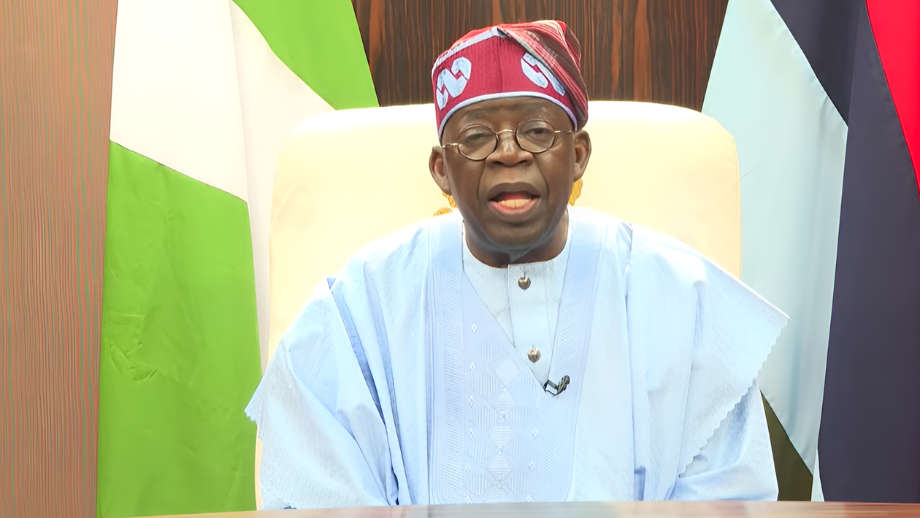
In his 66th Independence Day address, President Bola Ahmed Tinubu told Nigerians that the country has come through the “emergency treatment” phase of its economic reforms and is now entering what he called an “age of prosperity.” He defended the hard decisions taken since 2023, including the removal of the fuel subsidy, the unification of exchange rates and the tightening of fiscal policy, as necessary surgery on an economy that was gravely ill. The next phase, he promised, will focus on cheaper food, more jobs, reliable power and stronger support for the poor.
The message in a sentence: The emergency treatment is over, and the age of prosperity begins now.
The reality people are living with
Before weighing the speech, it is worth stating plainly what many Nigerians are experiencing today. Food prices remain high, and many families are eating less or turning to cheaper, less nutritious options. Transport fares are still steep because fuel and maintenance costs rose sharply after the subsidy was removed. Small businesses complain that diesel and electricity make it expensive to produce anything. Many young graduates still cannot find decent work, even as certain sectors report growth. And in many communities, hospitals and schools remain underfunded and stretched thin.
The President acknowledged as much. He spoke of millions of families who still struggle for the next meal, the next school fee, the next medical bill, or simply enough money to get to work.
What the President claimed, and what it means
The speech made a series of economic claims. Here is each one in plain language, with a sense of how it could touch ordinary lives.
The President said the economy has grown by more than 4 percent this year. In simple terms, the total value of goods and services Nigeria produces is expanding. If that growth is real and widely felt, it should show up as more traders selling more goods, factories running extra shifts and technology start-ups hiring young people.
He said inflation has fallen substantially from its peak. This does not mean prices are falling. It means they are rising more slowly than they were at the worst point of the crisis. A bag of rice that was climbing in price at a punishing pace may now be climbing at a gentler one, but it is not getting cheaper.
He said foreign reserves have been rebuilt and the foreign exchange market has stabilized. If so, a manufacturer who once waited months, or paid heavy premiums, to get dollars for raw materials may now find the process more predictable, which over time can help steady prices.
He said non-oil exports exceeded $6 billion in 2025, the highest in the country’s history. That points to more agricultural and processed goods, and possibly tech and creative services, being sold abroad, with the potential to create jobs in farming, processing and logistics.
He said oil theft is down. Less stolen crude should mean more revenue reaching the national budget, which could support health, education and infrastructure, provided the money is properly managed and accounted for.
And he said foreign direct investment continues to rise each year, a sign of growing confidence that, if sustained, can bring jobs, technology and skills in areas such as telecoms, fintech, energy and manufacturing.
One caution applies to all of these. The speech offered broad claims but few precise figures. There was no exact inflation rate and no reserve number. Independent data from the National Bureau of Statistics and the Central Bank of Nigeria will be essential to test what was said.
Why the President says the emergency is over
Tinubu described the Nigeria of 2023 as a patient with a serious illness who had been given only painkillers instead of proper treatment. For years, he argued, the government spent enormous sums holding fuel prices artificially low and maintaining several exchange rates at once. It looked like cheap petrol and a generous official dollar rate, but it encouraged smuggling and corruption and starved refineries and production of investment. By 2023, he said, poverty was rising and many Nigerians felt the country’s situation was darker than ever.
The emergency treatment, in his telling, is the set of reforms introduced since May 2023: ending the petrol subsidy, unifying the foreign exchange windows, tightening fiscal policy and improving revenue collection. He conceded that these steps brought pain in the form of higher fuel prices, higher transport costs and higher inflation, but maintained they were needed to stop the underlying disease from spreading.
What prosperity is supposed to look like
The President insisted the new phase is not about abstract statistics but about daily experience.
A lower cost of living
The first priority is to bring down the cost of living by lowering the cost of producing and moving goods. On food, that means expanding mechanised irrigation and dry-season farming, improving seeds and fertiliser, putting more tractors and machines to work, and investing in storage and transport. A farmer in Kano or Benue who can grow crops all year and lose less to spoilage puts more food on the market at a lower cost.
On infrastructure, the plan is to complete roads, railways and ports that link farms and factories to markets. A truck that once took two days to carry produce from Oyo to Lagos, losing part of its load to delays and poor roads, might make the trip in one day with less damage, and that saving eventually shows up in market prices.
On production, the promise is lower electricity costs for manufacturers, fairer competition and easier access to credit. A small factory in Aba or Kaduna that now burns heavily on diesel generators could produce more cheaply with dependable grid power.
Jobs and opportunity for young people
The second priority is to put jobs, enterprise and industrial growth at the centre of policy. The President spoke of using gas to power new industries, reviving factories in traditional industrial hubs, extending digital connectivity to underserved communities, investing in skills employers actually need, and backing businesses with infrastructure and finance. The picture he painted is of young Nigerians employed in agro-processing, light manufacturing, logistics and digital services, and of home-grown start-ups growing large enough to hire in the hundreds or thousands.
Support for those who cannot wait
The third priority is for households that cannot wait for tomorrow. The President promised stronger direct support for the poorest families, with better targeting through the National Social Register. He pointed to the Nigerian Education Loan Fund, which is meant to let children from low-income families attend higher education without upfront fees, and to CREDICORP, a consumer credit scheme intended to help working Nigerians acquire vehicles, solar systems and digital devices without saving for years first. He promised to strengthen primary healthcare, basic education and essential services in collaboration with states and local governments, and he claimed that since 2023 salaries and pensions have been paid on time and in full. He described all of this as a bridge to prosperity, not a substitute for it.
Holding the promise to account
The President has set the narrative: the age of reform has done its work, and the age of prosperity begins. Whether that becomes lived reality for millions of Nigerians will depend on implementation, transparency and the continued pressure of an informed public.
There are practical things every citizen can do. Keep track of prices in your local market for rice, garri, beans, fuel and transport. Ask your representatives what is being done about jobs, power supply and social support in your constituency. And share verified information and stories from your community, so the national picture is built from what people actually experience.
This article is based on President Tinubu’s October 1, 2026 Independence Day address and major Nigerian news coverage of the speech. Readers and editors should cross-check figures with official statistics from the National Bureau of Statistics, the Central Bank of Nigeria and the relevant ministries.