
A 42-year-old woman confirmed with Bundibugyo Ebola virus disease, Nigeria’s first such case in more than a decade, was evacuated from Abuja to Switzerland on Monday, October 26, together with her husband, who has shown no symptoms. Scientists are still working to establish how she contracted the infection.
Coordinating Minister of Health and Social Welfare, Professor Muhammad Ali Pate, said the patient was clinically improved, stable, conscious and communicating, with her laboratory results approaching baseline levels. He cautioned, however, that her improvement did not necessarily mean she was no longer infectious, and said strict public-health protocols were observed during the evacuation. The World Health Organization’s Regional Director for Africa, Mohamed Janabi, said Switzerland would take over her medical care and the monitoring of her husband.
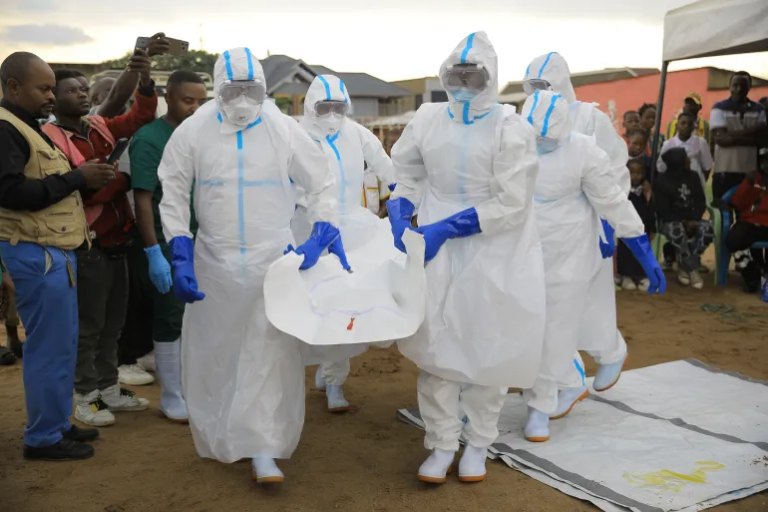
Nigeria’s response is continuing despite her departure. According to the Nigeria Centre for Disease Control and Prevention (NCDC), 53 contacts were identified, including healthcare workers, domestic staff and the patient’s spouse. Nigeria will now monitor 52 of them, while Switzerland monitors her husband. The NCDC said its national incident management system has been activated at the highest level. A suspected case in Rivers State on October 23 tested negative for Ebola.
The patient returned to Nigeria from Uganda through Addis Ababa on October 3. She developed symptoms on October 7, sought care at private health facilities and was admitted to a facility on October 11. The NCDC was notified on October 19, and laboratory confirmation followed on October 20.
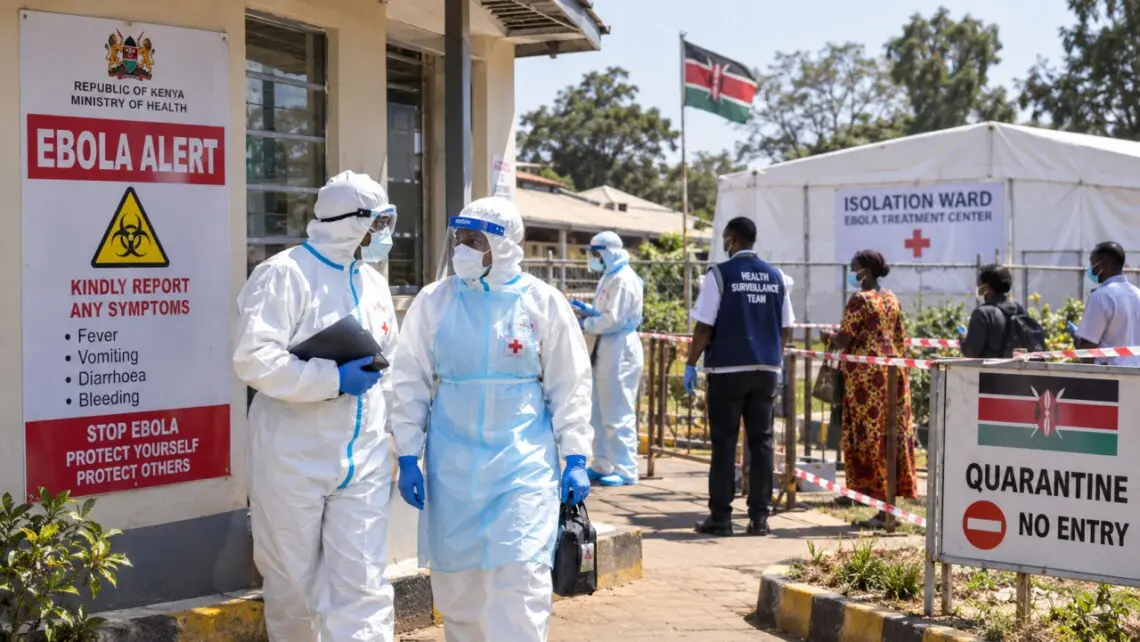
Reuters reported that preliminary genomic findings show a close relationship between the virus found in Nigeria and that detected in Kenya’s first reported case. Both patients reportedly passed through Entebbe Airport in Uganda on October 3, on flights about 40 minutes apart. Investigators have not established that the two met or that direct transmission occurred. Switzerland has also said the patient did not travel to the Democratic Republic of the Congo, where the wider outbreak was first identified, so the source of her infection remains under investigation.
The Africa Centers for Disease Control and Prevention plans to bring leading Ebola specialists to Nigeria to investigate the origin of the infection. Finding the source could help authorities refine contact tracing and identify other possible exposures.
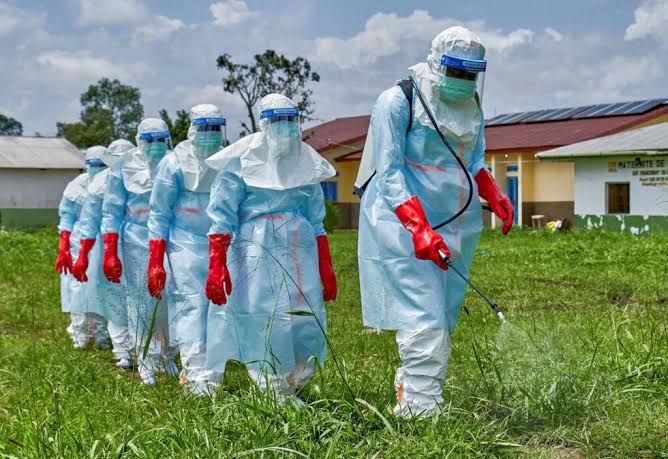
The NCDC has urged Nigerians to remain vigilant, cooperate with public-health teams and rely on verified information from official sources. Health facilities are expected to maintain infection-prevention and control measures.
The index case might be out of the country but one thing is for sure, the Federal Government is taking extreme measures to manage the situation and ultimately , ensure the safety of Nigerians.